
Fertilization
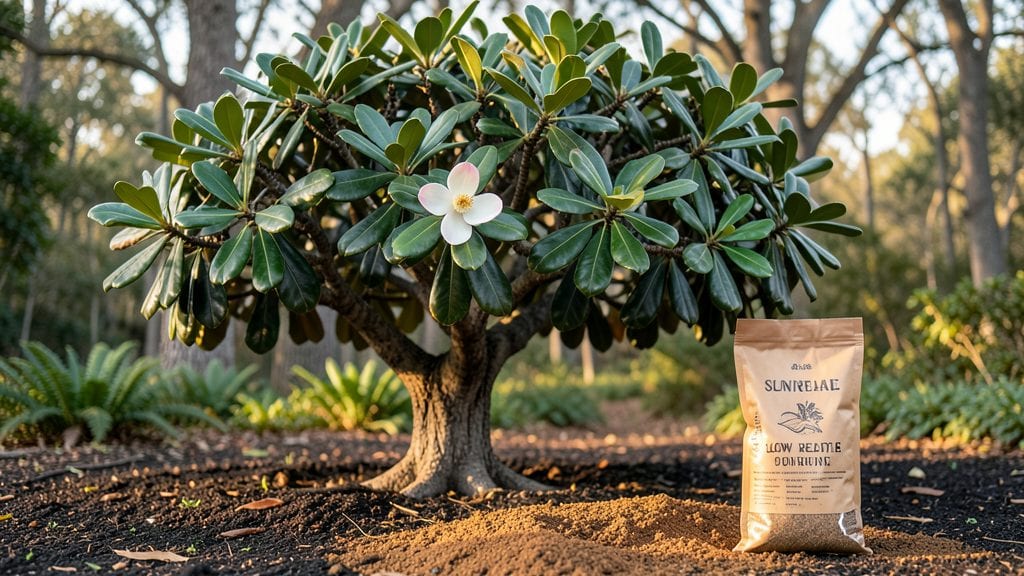
The right magnolia plant food transforms a struggling shrub into a showstopper with bold, fragrant blooms every season. 🌸 I learned this the hard way after my first magnolia produced only a handful of flowers—until I adjusted the nitrogen-potassium ratio.
Most gardeners overlook this balance, but it’s the secret to vibrant growth and prolific blooming.
Start with a balanced fertilizer (like 10-10-10 or 12-12-12) in early spring, then switch to a low-nitrogen, high-phosphorus formula (like 5-10-10) after flowering to encourage next year’s buds. Organic options like composted manure or bone meal work too, but synthetic blends give faster, more predictable results for established trees.
Apply granular fertilizer in a 3-foot ring around the drip line, watering it in thoroughly. For young magnolias, use half the recommended dose—too much nitrogen burns roots, while too little potassium weakens stems.
You’ll know you’ve nailed it when leaves stay glossy green and blooms arrive earlier and more abundantly than ever before.
Regional tweaks matter: Southern magnolias thrive with extra potassium in humid climates, while Western varieties need acidic soil amendments. Adjust based on your zone, and always test soil pH first—magnolias hate alkaline conditions. This approach works for both small patio specimens and towering backyard giants.
📚 In This Guide
- What you need
- Instructions
- Tips and common mistakes
- Wrapping up and next steps
What you need
- ● Slow-release nitrogen fertilizer (e.g., sulfur-coated urea or organic cottonseed meal): 1–2 cups (per 100 sq. ft. of soil)
- ● Look for a 10-0-0 or 12-0-0 NPK ratio for nitrogen focus.
- ● Potassium-rich fertilizer (e.g., potassium sulfate or greensand): 1 cup (per 100 sq. ft. of soil)
- ● Opt for a 0-0-50 or 0-0-30 NPK ratio.
- ● Organic matter (e.g., compost, well-rotted manure, or leaf mold): 5–10 gallons (spread evenly in the root zone)
- ● Improves soil structure and microbial activity.
- ○ Garden gloves (optional but recommended for handling soil and fertilizers).
- ● Garden trowel or spade – For mixing and applying fertilizers to the soil.
- ● Measuring cups or scale – Ensures precise fertilizer ratios.
- ● Watering can or hose – To hydrate the soil before and after fertilizing.
- ○ pH testing kit (optional) – Magnolias prefer acidic to neutral soil (pH 5.0–7.0).
- ● Mulch (pine straw or shredded bark) – Helps retain moisture and regulate soil temperature.
- ● 🌡️ Timing matters: Apply fertilizer in early spring (before new growth) and late summer (to support root development).
- ● ✨ Avoid over-fertilizing: Too much nitrogen can burn roots—stick to the recommended amounts!
- ● 🔄 Organic options: For a natural approach, use fish emulsion (diluted) or kelp meal as a potassium source.
Step-by-Step guide to feeding magnolias for vibrant, season-long blooms
Here’s how to craft a balanced fertilizer blend that keeps your magnolias thriving year after year.
🌿 Step 1: Gather Organic Materials for the Base Mix
Start with 1 gallon of well-aged compost—this provides the foundational organic matter magnolias crave. I sift it to remove any large chunks, ensuring a fine, crumbly texture that blends easily. Next, add ½ cup of worm castings, which introduce beneficial microbes that help roots absorb nutrients more efficiently. These two materials together create a nutrient-rich canvas for the specialized feeding components.
Spread the compost and castings in a clean bucket or wheelbarrow. Mix them thoroughly until the color is uniform and no dry spots remain. This ensures even distribution of nutrients later. Real talk: Skimping on the compost here means your magnolia will struggle to bloom consistently—it’s the backbone of the mix.
💧 Step 2: Add Mineral Supplements for Nitrogen-Potassium Balance
To the compost base, incorporate ¼ cup of bone meal for a slow-release phosphorus boost, which supports root development and early bloom formation. Then, add 2 tablespoons of greensand—this mineral-rich sand provides potassium and trace elements like magnesium, critical for flower production and disease resistance. Finally, stir in 1 tablespoon of kelp meal for natural growth hormones and micronutrients.
Mix these dry ingredients into the compost until fully integrated. The bone meal will look like tiny white granules, while the greensand adds a sandy texture. Here’s the thing—magnolias are heavy feeders, but they despise synthetic salts. Organic minerals like these ensure steady, safe nutrition without burning roots.
⏰ Step 3: Hydrate and Condition the Mix for Application
Gradually add 1 quart of water to the dry blend while stirring continuously. The goal is a damp, crumbly texture—like a well-wrung sponge. Too wet, and it clumps; too dry, and nutrients won’t activate properly. I like to let it sit for 10 minutes before re-mixing, which helps the organic matter absorb moisture evenly.
For extra insurance, sprinkle 1 tablespoon of mycorrhizal fungi over the surface. This beneficial soil fungus forms a symbiotic relationship with magnolia roots, enhancing nutrient uptake and drought tolerance. Gently fold it into the top inch of the mix—this is where the roots will first encounter it.
☀️ Step 4: Apply the Fertilizer to Magnolias at Critical Growth Stages
Spread the finished mix evenly over the root zone—the area under the canopy but outside the trunk—using ½ of the total recipe per magnolia. Avoid piling it against the trunk, as this can cause rot. Water deeply immediately after application to activate the nutrients and wash any dust away from the foliage.
Apply this blend twice yearly: once in early spring as buds swell, and again in late summer after the first flush of blooms. You’ll notice stronger stems, glossier leaves, and more abundant flowers within 6-8 weeks of the first feeding. This timing mimics natural nutrient cycles and prevents overfeeding, which stresses magnolias.
✂️ Step 5: Monitor and Adjust for Seasonal Needs
After 4-6 weeks, inspect the foliage for signs of deficiency: yellowing leaves suggest nitrogen needs, while weak stems indicate potassium shortages. If you see these cues, repeat the application with an extra 1 tablespoon of greensand for potassium or 1 tablespoon of blood meal for nitrogen. Magnolias are forgiving, but they’ll reward precise care with larger, longer-lasting blooms.
In late fall, top-dress the root zone with 1 inch of fresh compost to replenish organic matter. This prepares the soil for spring without overloading the plant. I’ve found that magnolias fed this way often bloom 2-3 weeks earlier than those given generic fertilizers—proof that targeted nutrition makes all the difference.
Tips & tricks for perfect magnolia plant food
A few simple adjustments will help you maximize the effectiveness of this nutrient blend and keep your magnolias thriving for years to come.
Ingredient Quality Matters: The foundation of this recipe relies on well-aged compost—never use fresh compost, as it can burn delicate magnolia roots. Look for dark, crumbly compost with an earthy smell, not a strong ammonia odor. For worm castings, choose high-quality, screen-free versions to avoid introducing pests. I source mine from reputable organic suppliers where the castings are processed within 30 days of collection for maximum microbial activity.
Timing Secret for Hydration: When adding the 1 quart of water in Step 3, don't rush the process. The 10-minute resting period is crucial—it allows the organic matter to absorb moisture evenly and prevents clumping. I use a spray bottle to mist the mix if it starts to dry out during this time, ensuring consistent texture. This step creates the perfect crumbly consistency that magnolia roots love.
Application Technique: For Step 4, use a flat-edged tool like a small shovel or garden rake to spread the mix evenly over the root zone. Avoid piling it directly against the trunk—this can create anaerobic conditions that harm roots. I like to create a 3-inch wide band around the outer edge of the canopy, which is where most feeder roots are concentrated. This targeted approach prevents nutrient runoff while maximizing absorption.
Seasonal Adjustments: In regions with harsh winters, reduce the late summer application to once every other year. The extra compost in fall (Step 5) provides sufficient nutrition through winter. For tropical climates, you can add a third application in early fall to support continuous growth. The key is observing your magnolia's response—healthy foliage means you're on the right track.
Pro Tips for Magnolia Plant Food
- A few simple adjustments will help you maximize the effectiveness of this nutrient blend and keep your magnolias thriving for years to come.
- Ingredient Quality Matters: The foundation of this recipe relies on well-aged compost—never use fresh compost, as it can burn delicate magnolia roots.
- Timing Secret for Hydration: When adding the 1 quart of water in Step 3, don't rush the process.
Frequently asked questions
When is the best time to fertilize my magnolia?
Feed your magnolia twice a year: once in early spring (as new growth emerges) and again in late summer (after blooming). Avoid fertilizing in fall or winter, as the plant rests. For potted magnolias, feed every 4–6 weeks during the growing season with a diluted solution.
What if I over-fertilize my magnolia?
Over-fertilizing can burn roots or cause yellow leaves. If you suspect overfeeding, flush the soil with water to leach excess nutrients. Switch to a half-strength solution for 2–3 weeks, and monitor for improvement. Prevention tip: Always follow label instructions and test soil pH (magnolias prefer acidic soil, 5.0–6.0).
Can I use regular lawn fertilizer on my magnolia?
No—magnolias need a balanced, acid-loving fertilizer (like a 6-6-6 or 10-10-10 formula). Lawn fertilizers are too high in nitrogen and can harm your plant. Opt for magnolia-specific food or a slow-release, organic option (like fish emulsion or compost tea) for best results.
Why aren’t my magnolia leaves as vibrant as they should be?
Dull or pale leaves often signal nutrient deficiencies. Check for:
Yellow leaves? Likely iron or nitrogen deficiency—feed with a chelated iron supplement or a balanced fertilizer.
Purple stems? Could be phosphorus lack—use a bloom-boosting fertilizer.
Brown edges? Possible potassium issue or underwatering.
Adjust your feeding schedule and ensure consistent moisture (but avoid soggy soil).
Are there organic alternatives to chemical magnolia plant food?
Try these DIY-friendly organic options:
- Compost tea – Brew compost in water for 24–48 hours, strain, and apply to soil.
- Coffee grounds – Sprinkle around the base (magnolias love acidic organic matter).
- Banana peels – Bury chopped peels in the soil for a potassium boost.
- Worm castings – Mix into soil or use as a top-dressing for slow-release nutrients.
Pro tip: Pair organic feeding with mulch (pine bark or leaves) to maintain soil acidity.
Wrapping up and next steps
Choosing the right magnolia plant food is key to nurturing vibrant blooms and lush foliage year after year! 🌸 With the perfect nitrogen-potassium balance and organic or slow-release options, you’re well on your way to a thriving magnolia tree.
Remember, consistency and proper timing are your best friends—so keep those roots happy and watch your garden shine.
Ready to give your magnolia the love it deserves? Grab your supplies, follow the recipe, and start fertilizing today! Your future blooms will thank you. 🌿✨