
Plants
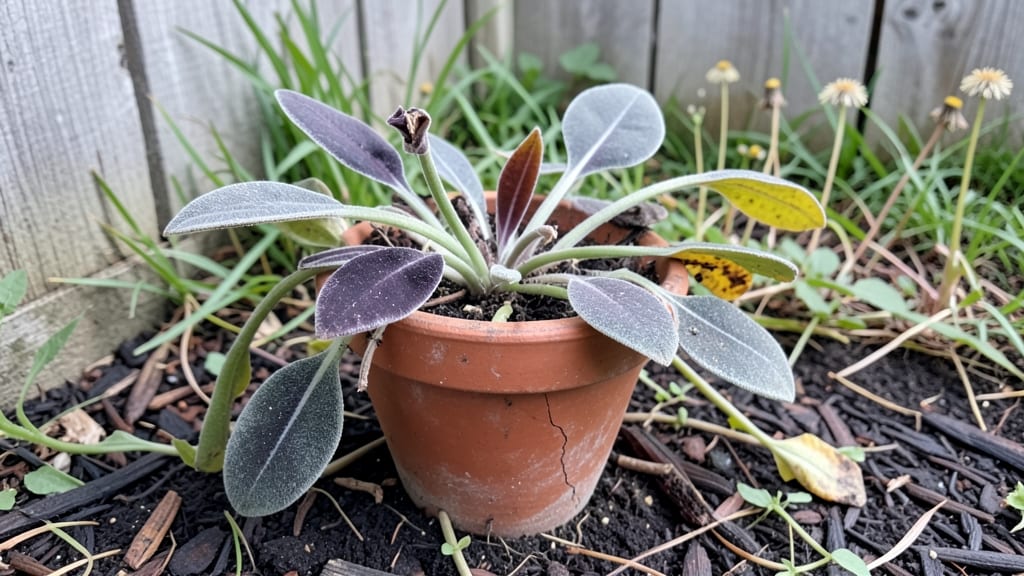
House plant fungus ruins more collections than I care to admit—those fuzzy gray patches or black spots that turn your prized philodendron into a science experiment.
I’ve lost count of the plants I’ve nursed back from the brink, and the good news is, you can too with just three targeted steps. The secret isn’t complicated: it’s about catching it early, cutting out the problem, and stopping the cycle before it spreads.
Most fungal infections start with overwatering or poor airflow—basically, you’re smothering your plant. That’s why I always check the soil before watering (stick your finger in; if it’s damp, wait) and make sure leaves aren’t touching each other.
My snake plant, for example, thrives in neglect, while my ferns need consistent moisture and airflow. The right pot with drainage holes makes all the difference.
Once you spot the issue, act fast: trim away infected leaves with clean scissors, then treat the plant with a 3% hydrogen peroxide spray (1 part peroxide to 4 parts water) or a neem oil solution (1 teaspoon per quart of water).
This isn’t just a quick fix—it’s how you save the plant and keep your collection healthy. Prevention is easier than cleanup, so I’ll show you how to keep fungus at bay for good.
If a plant is beyond saving, don’t toss it in the trash—bag it up and dispose of it outside your compost pile. I’ve learned the hard way that fungus doesn’t care about your good intentions.
The goal is to protect what’s left, not just treat the symptoms. Let’s get your plants back to their best in no time.
Root Causes of Plant Fungus
Fungal infections in houseplants aren’t random—they’re usually the result of specific conditions that give fungi the perfect environment to thrive. Understanding these triggers is the first step to prevention.
Below, we break down the most common causes of fungal growth, backed by science, so you can address the problem at its source.
Fungi love moisture, and excess water is their favorite breeding ground. When soil stays soggy for too long, it creates the ideal conditions for fungal spores to germinate and spread.
- Why it happens:
- Waterlogged soil cuts off oxygen, weakening plant roots and making them vulnerable to infections like root rot (often caused by Phytophthora or Pythium).
- Fungal spores (e.g., Botrytis cinerea, the culprit behind gray mold) thrive in damp, stagnant environments.
- Poor drainage traps moisture, while overwatering—even with well-draining soil—can still lead to fungal buildup if the plant isn’t allowed to dry out between waterings.
- Actionable fix:
- Let the top 1–2 inches of soil dry out before watering again (adjust based on humidity and plant type).
- Use pots with drainage holes and a mix of perlite or orchid bark to improve aeration.
- Avoid watering at night, as cooler temps slow evaporation, keeping soil damp longer.
While many houseplants love humidity, stagnant, humid air is a fungal magnet. Fungi spread via spores, which float and land on leaves, stems, or soil—especially when airflow is limited.
- Why it happens:
- Humidity above 70% (common in bathrooms or kitchens) encourages fungal growth like powdery mildew (Erysiphe spp.) or downy mildew (Peronospora spp.).
- Poor ventilation traps spores near the plant, increasing infection risk.
- Crowded plants or sealed terrariums create microclimates where fungi flourish.
- Actionable fix:
- Use a fan on low speed near plants to improve airflow (even a gentle breeze helps).
- Space plants 2–3 inches apart to reduce humidity pockets.
- Wipe leaves with a damp cloth to remove spores and improve transpiration (which lowers leaf moisture).
- Consider a dehumidifier or open windows in humid rooms.
Stressed plants are weaker defenders against fungal attacks. When light or nutrients are lacking, their immune response falters, making them easy targets.
- Why it happens:
- Low light weakens chlorophyll production, reducing the plant’s ability to fight off pathogens.
- Nutrient deficiencies (especially nitrogen or phosphorus) stunt growth, leaving plants more susceptible to infections like leaf spot (Alternaria spp.).
- Sudden changes (e.g., moving a plant from bright sun to shade) shock the system, opening doors for fungal invaders.
- Actionable fix:
- Place plants near bright, indirect light (e.g., east or north-facing windows).
- Use a balanced fertilizer (like 10-10-10) every 4–6 weeks during growing season.
- Gradually acclimate plants to new light conditions over 1–2 weeks to avoid stress.
Fungi can lurk in old soil, garden tools, or even new pots, hitching a ride onto your plants unnoticed.
- Why it happens:
- Reused potting mix may harbor dormant fungal spores from previous plants.
- Dirty tools (pruners, trowels) can transfer spores between plants.
- Infected cuttings or new plants bring fungi into your collection without symptoms showing immediately.
- Actionable fix:
- Sterilize tools with rubbing alcohol (70%+) or a 10-minute bleach soak before use.
- Repot plants every 1–2 years with fresh, sterile soil (or bake old soil at 200°F for 30 minutes to kill spores).
- Quarantine new plants for 2–4 weeks before introducing them to your collection.
Even minor injuries—like torn leaves or bruised stems—create entry points for fungi to invade.
- Why it happens:
- Mechanical damage (e.g., rough handling, pets, or wind) breaks the plant’s protective barrier.
- Over-pruning or rough trimming can leave wounds that trap moisture, inviting infections like bacterial soft rot or stem rot.
- Insect damage (e.g., spider mites) weakens plants, making them more susceptible to secondary fungal infections.
- Actionable fix:
- Use sharp, clean scissors when pruning to make clean cuts (avoid tearing).
- Dust off leaves gently to prevent abrasions from dirt buildup.
- Treat insect pests promptly with neem oil or insecticidal soap to prevent secondary infections.
Fungi thrive when temperature and humidity fluctuate, creating stress that plants can’t handle.
- Why it happens:
- Cold drafts (e.g., near AC vents or open windows in winter) shock plants, weakening their defenses.
- Sudden heat spikes (e.g., near radiators) increase transpiration, making leaves more prone to fungal spots.
- Spring and fall are peak seasons for fungal outbreaks due to mild temps and high humidity.
- Actionable fix:
- Keep plants away from drafts, vents, or direct heat sources.
- Maintain consistent temperatures (most houseplants prefer 65–75°F).
- Reduce watering slightly in cooler months to prevent over-saturation.
Many gardeners wait until fungi are visible and spread before acting. By then, the plant is often too far gone.
- Why it happens:
- Mild infections (e.g., small yellow spots or powdery residue) are often dismissed as "just part of aging."
- Slow-growing fungi (like Fusarium) may not show symptoms for weeks, allowing them to establish deep in the roots.
- Actionable fix:
- Inspect plants weekly for signs like:
- Discolored leaves (brown, yellow, or black spots).
- White, gray, or black fuzzy growth (common with powdery mildew or mold).
- Soft, mushy stems or roots (sign of rot).
- Isolate infected plants immediately to prevent spread.
- Inspect plants weekly for signs like:
Fungal infections in houseplants are rarely accidental—they’re the result of specific, fixable conditions. By addressing overwatering, poor airflow, stress, contamination, and neglect, you can starve fungi of their favorite growing conditions and keep your plants healthy.
The good news? Most fungal issues are preventable with a little proactive care!
Quick Fixes for Plant Fungus
Fungus on your houseplants can feel like a silent intruder, but don’t panic—most issues are reversible with the right care. Below, we’ll map common causes to actionable solutions, so you can restore your plants to their lush, healthy selves. Prevention tips are included to keep those pesky spores at bay!
Fungus thrives in soggy soil, so if your plant’s leaves are yellowing, wilting, or covered in moldy spots, it’s likely drowning in excess moisture.
How to Fix It:
- 🔥 Step 1: Stop Watering Immediately Let the soil dry out completely before watering again. Stick your finger 1–2 inches into the soil—if it’s damp, wait another day.
- 👨🍳 Step 2: Repot if Needed If the roots smell rotten or look mushy, remove the plant from its pot and trim away any black or slimy roots with sterilized scissors (wipe with rubbing alcohol). Repot in fresh, well-draining soil with perlite or orchid bark for aeration.
- 🥘 Step 3: Improve Drainage Add a layer of gravel or broken pottery at the bottom of the pot before adding soil. Ensure the pot has drainage holes—if not, transfer your plant to one that does.
💡 Prevention Tip: Water only when the top 1–2 inches of soil are dry. Group plants with similar water needs together to avoid over- or under-watering.
White, gray, or brown spots on leaves? That’s likely powdery mildew, rust, or leaf spot fungus—common in humid or poorly ventilated spaces.
How to Treat It:
- 🔪 Step 1: Prune Infected Leaves Snip off severely affected leaves with clean scissors and dispose of them in the trash (not compost). Avoid tearing leaves, as spores can spread.
- 🌡️ Step 2: Clean the Plant Wipe down leaves with a mix of 1 part rubbing alcohol and 3 parts water (or neem oil solution) using a soft cloth.
For stubborn spots, spray with baking soda solution (1 tsp baking soda + 1 quart water + a drop of dish soap).
- ✨ Step 3: Boost Airflow Move the plant to a bright, indirect-light spot with good air circulation. Use a small fan on low setting if needed (but avoid direct drafts).
🎯 Prevention Tip: Spray plants with neem oil (1 tsp per quart of water) once a month during humid seasons. Avoid overhead watering—water at the base instead.
If your plant’s stem is soft, discolored, or oozing, or if the roots are brown and mushy, root or stem rot has set in—often from overwatering or contaminated soil.
How to Fix It:
- 🔥 Step 1: Assess the Damage Gently remove the plant from its pot and inspect the roots. Healthy roots are firm and white; rotten roots are dark, slimy, and smell foul.
- 🍳 Step 2: Trim and Sterilize Cut away all rotten roots and sterilize your tools between cuts. For stem rot, trim the affected area above the healthy tissue with a sharp knife.
- 🥘 Step 3: Repot in Fresh Soil Use a sterilized pot (wash with bleach solution) and cactus/succulent mix (or regular potting soil amended with perlite). Let the plant dry out for 2–3 days before watering lightly.
💡 Prevention Tip:
- Never let plants sit in saucers of water—empty saucers after watering.
- Rotate pots occasionally to ensure even sunlight exposure and prevent uneven moisture buildup.
Even after treating your plant, keep these habits to prevent future outbreaks:
| Do This | Avoid This |
|---|---|
| ✅ Water in the morning | ❌ Overcrowding plants |
| ✅ Use sterilized tools | ❌ Ignoring yellowing leaves |
| ✅ Quarantine new plants | ❌ Using contaminated soil |
| ✅ Wipe leaves occasionally | ❌ Skipping airflow |
Final Thought: Fungus may seem daunting, but with consistent care and quick action, your plants can bounce back stronger. The key is catching issues early and adjusting your routine to keep conditions unfavorable for spores. Happy planting! 🌿
Frequently asked questions
What are the first signs my houseplant has fungus?
Watch for fuzzy white, gray, or black patches on leaves (powdery mildew or mold), yellow/brown spots (leaf spot), or mushy stems/roots (rot). Check undersides of leaves and soil surface—these are prime fungus hotspots. Act fast if you see these early warning signs!
Can I save a plant with root rot caused by fungus?
Yes, but you must act immediately! Trim all black/mushy roots, repot in fresh, sterile soil with perlite, and let it dry out for 2-3 days before watering lightly. The key is catching it before the rot spreads beyond the roots—if the stem is soft, recovery becomes much harder.
Is neem oil safe for all houseplants?
Neem oil is generally safe for most tropical houseplants (like pothos, snake plants, or ferns), but always do a patch test first. Dilute 1 tsp neem oil per quart of water and avoid using on sensitive plants like cacti/succulents. Never apply when leaves are wet or in direct sunlight.
How do I prevent fungus when buying new plants?
Quarantine new plants for 2-4 weeks in a separate area, inspect them thoroughly, and avoid placing them near your existing collection. Wipe leaves with a damp cloth before bringing them home—this removes any hidden spores lurking on the foliage.
Why does my plant keep getting fungus even after treatment?
Fungus often returns if root causes persist—like overwatering, poor airflow, or contaminated soil. Check your care routine: are you watering too frequently? Is the plant cramped? Sterilize tools and pots, and consider upgrading to better-draining soil with perlite or orchid bark.