Plants
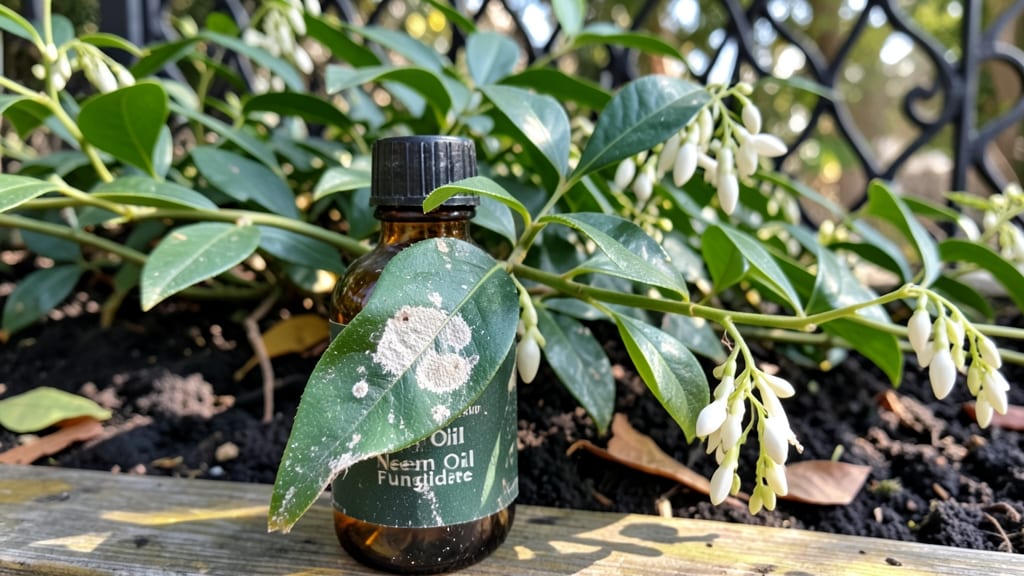
A jasmine plant fungus like black spot or powdery mildew can turn your fragrant vines into a sad, spotted mess—unless you act fast. I’ve saved my own jasmine from total collapse using a simple copper spray method that works without harsh chemicals.
The key is catching it early and treating it right, before the fungus spreads to every leaf.
The problem starts with too much shade, poor airflow, or water splashing on leaves—classic setup for fungal spores to thrive. My jasmine used to get powdery white patches that looked like dust, and the leaves would yellow and drop.
Once I adjusted spacing, pruned for airflow, and sprayed copper, the new growth stayed clean and vibrant. It’s not about killing the plant; it’s about giving it a fighting chance.
With the right mix of copper spray and preventive care, your jasmine will bounce back stronger than ever. You’ll see fresh, glossy leaves within weeks, and those familiar sweet blooms will return—no more sad, spotted vines. The secret is consistency: spray every 7–10 days until the new growth stays fungus-free.
This works for both outdoor jasmine bushes and container-grown varieties, no matter your climate. The same principles apply whether you’re dealing with black spot, powdery mildew, or even early signs of root rot. Let’s get your jasmine back to its fragrant best.
Root Causes of Plant Fungus
Fungal infections like black spot and powdery mildew on jasmine plants don’t just appear out of nowhere—they thrive due to a mix of environmental and cultural factors. Understanding these causes is the first step to preventing (and treating) them effectively.
Below, we break down the key triggers that create the perfect storm for fungal growth, so you can address them head-on.
---
Fungi love moisture—too much of it turns your jasmine’s soil into a breeding ground.
Here’s why: - Soggy soil (from overwatering or compacted soil) prevents oxygen from reaching roots, weakening the plant’s defenses. - Stagnant water on leaves (from overhead watering) creates a damp, humid microclimate—ideal for spores to germinate. - Poor drainage (like clay-heavy soil or clogged pots) traps excess water, keeping fungal spores active for longer.
Actionable fix: Water deeply but only when the top 1–2 inches of soil are dry, and ensure pots have drainage holes. Use a well-draining potting mix (like a 50/50 blend of peat moss and perlite).
---
Jasmine plants left in shady, stuffy spots (like enclosed patios or dense foliage) struggle to dry out properly.
Fungi exploit this by: - Reducing airflow around leaves, trapping moisture and spores. - Increasing humidity (above 70% relative humidity) speeds up fungal spore germination. - Shading plants weakens their natural resistance, making them easier targets.
Actionable fix: Space plants at least 12–18 inches apart for airflow, and prune nearby foliage to reduce humidity. If growing indoors, use a fan or dehumidifier to keep levels below 60%.
---
A jasmine plant under stress (from poor nutrition, pests, or extreme temps) becomes fungus magnet.
Here’s how: - Lack of nitrogen or phosphorus weakens leaves, making them more susceptible to infections. - Pest damage (like spider mites) creates open wounds where fungi can invade. - Temperature swings (below 50°F or above 90°F) shock the plant, lowering its immunity.
Actionable fix: Feed your jasmine with a balanced fertilizer (10-10-10) every 4–6 weeks, and monitor for pests. Avoid sudden temperature changes by moving pots indoors if frost is forecast.
--- Fungal spores are sneaky hitchhikers—they lurk on old soil, gardening tools, or even infected plant debris.
Here’s how they spread: - Reusing pots or soil from a previously infected plant transfers spores to healthy jasmines. - Dirty pruners or gloves can carry fungi from one plant to another. - Compost or mulch made from diseased plant material may reintroduce pathogens.
Actionable fix: Sterilize tools with rubbing alcohol between uses, and replace old soil (or bake it at 200°F for 30 minutes to kill spores). Use fresh potting mix for repotting.
--- Fungi like black spot and powdery mildew peak during warm, wet seasons (spring and fall).
Here’s why: - Rainy spells wash spores onto leaves, while high humidity keeps them active. - Morning dew on leaves creates a damp film, perfect for fungal growth. - Slow leaf drying (from poor sunlight) extends moisture exposure.
Actionable fix: Water early in the day (so leaves dry by evening), and avoid overhead watering. If rain is forecast, cover plants with a light row cover to reduce leaf wetness.
--- Greenhouses can be fungal hotspots if not managed properly. Here’s how: - Stagnant air traps humidity and spores near plants. - Plastic covers (without ventilation) create a greenhouse effect, boosting fungal activity. - Overcrowding in greenhouses accelerates spore spread.
Actionable fix: Install ventilation fans or open vents daily, and avoid overcrowding. Use spaced trellises to improve airflow around jasmine vines.
--- Pro Tip: 💡 Early detection is key! Check the undersides of leaves (a hotspot for spores) weekly, especially after rain. Catching fungus early means less damage and fewer harsh treatments needed.
Quick Fixes for Fungal Woes
Fungal infections like black spot and powdery mildew on jasmine plants can feel like a losing battle, but don’t worry—there are effective, plant-friendly solutions to restore your greenery to its former glory.
Below, we’ll break down the most common causes of fungal issues and pair them with practical fixes, plus prevention tips to keep your jasmine thriving long-term.
---
Cause: Marssonina or Cercospora fungi thrive in humid, shaded conditions, causing dark, circular spots on leaves.
How to Fix It: 1. 🍳 Prune the Problem Areas - Use sterilized pruning shears (wipe with rubbing alcohol) to cut off infected leaves—don’t compost them! Toss them in the trash to prevent reinfection. - Remove heavily affected branches to improve airflow.
2. 👨🍳 Apply Copper Fungicide (The Game-Changer) - Best for: Organic, chemical-free control. - How: Mix 1 tsp copper sulfate in 1 gallon of water (or use a pre-made copper spray like Bonide Copper Fungicide). - Spray thoroughly (top and bottom of leaves) every 7–10 days until new growth appears. - ⚠️ Safety Tip: Wear gloves and avoid spraying on hot days (copper can burn leaves).
3. 🌿 Boost Plant Immunity - Fertilize lightly with a balanced, low-nitrogen fertilizer (e.g., 5-5-5) to strengthen the plant. - Water at the base (not overhead) to keep leaves dry.
💡 Prevention: - Space plants 3–4 feet apart for airflow. - Water early in the day so leaves dry by evening. - Avoid overhead irrigation—use drip systems instead.
---
Cause: Erysiphe or Sphaerotheca fungi love damp, crowded conditions, leaving a white, powdery coating on leaves.
How to Fix It: 1. 🔪 Scrub Off the Fungus - Mix 1 tbsp baking soda + 1 tsp dish soap + 1 gallon water. - Gently wipe infected leaves with a soft cloth dipped in the solution. - For severe cases, use a soft brush to remove mildew before spraying.
2. 🥘 Neem Oil or Horticultural Oil Spray - Best for: Smothering fungal spores. - How: Mix 1 tbsp neem oil + 1 tsp mild soap + 1 quart water.
Spray every 5–7 days for 2–3 weeks. - ✨ Pro Tip: Apply in the early morning or late evening to avoid leaf burn.
3. 🌡️ Improve Air Circulation - Thin out dense foliage or prune back overgrowth. - Move the plant to a sunnier spot (powdery mildew hates direct sunlight).
💡 Prevention: - Space plants properly (jasmines need at least 2 feet of clearance). - Avoid wetting leaves when watering—soak the soil only. - Rotate plants occasionally for even sun exposure.
---
Cause: Overwatering or poor drainage leads to Phytophthora or Pythium fungi, causing yellowing leaves, wilting, and mushy roots.
How to Fix It: 1. ⏰ Stop Watering Immediately - Let the soil dry out completely before watering again. - Check drainage: If water pools in the saucer, add perlite or sand to potting mix.
2. 🌱 Repot in Fresh Soil - Remove the plant and trim black, mushy roots with sterilized scissors. - Repot in a container with drainage holes using a well-draining mix (cactus/succulent soil works well). - Avoid fertilizing for 4–6 weeks—the plant needs to recover first.
3. 💧 Adjust Watering Habits - Water only when the top 1–2 inches of soil are dry. - Use a moisture meter if you’re unsure—jasmines hate soggy roots!
💡 Prevention: - Use pots with drainage holes (terracotta is ideal). - Water deeply but infrequently—better to underwater than overwater. - Mulch lightly (1 inch) to retain moisture without suffocating roots.
---
No matter the fungus, these extra steps will help your jasmine stay healthy:
| Action | How to Do It | |--------------------------|---------------------------------------------------------------------------------| | Sanitize Tools | Wipe pruners with rubbing alcohol before and after use. | | Rotate Sprays | Alternate between copper, neem, and baking soda sprays to prevent resistance. | | Monitor Regularly | Check undersides of leaves weekly—fungi start there! | | Encourage Beneficials| Ladybugs and lacewings eat fungal spores—introduce them naturally! |
--- Final Thought: Fungal issues on jasmine plants are manageable with the right care. Act fast—the sooner you treat it, the easier the recovery! 🌱 By pruning, spraying, and preventing future outbreaks, your jasmine will be back to blooming beautifully in no time.
Frequently asked questions
What are the first signs of fungus on my jasmine plant?
Watch for powdery white patches (powdery mildew) or dark spots with yellow halos (black spot) on leaves. Check the undersides of leaves first—fungi often start there. Early detection means easier treatment and less damage to your plant.
Can I use household items to treat jasmine fungus?
Yes! Mix 1 tbsp baking soda + 1 tsp dish soap + 1 gallon water for a mild spray against powdery mildew. For black spot, try a neem oil solution (1 tbsp neem oil + 1 tsp soap + 1 quart water). Spray every 5-7 days until symptoms disappear. Always test on a small area first.
How often should I apply copper fungicide to my jasmine?
Apply copper spray every 7-10 days until new growth appears clean. For prevention, use it once a month during humid seasons. Avoid spraying on hot days (after 10 AM) to prevent leaf burn. Wear gloves and apply in the early morning for best results.
Will pruning help my jasmine recover from fungus?
Prune infected leaves and branches immediately to stop spore spread. Use sterilized shears (wipe with rubbing alcohol) and remove at least 2 inches below any visible spots. Thin out dense areas to improve airflow and sunlight, which fungi hate.
Can I save a jasmine plant with root rot caused by fungus?
It depends on how severe it is. If roots are soft and black, trim the damaged parts with sterilized scissors, repot in fresh, well-draining soil, and stop watering for 2 weeks. Avoid fertilizing for 4-6 weeks to help recovery. For advanced cases, consider propagating from healthy cuttings.