
Container Gardens
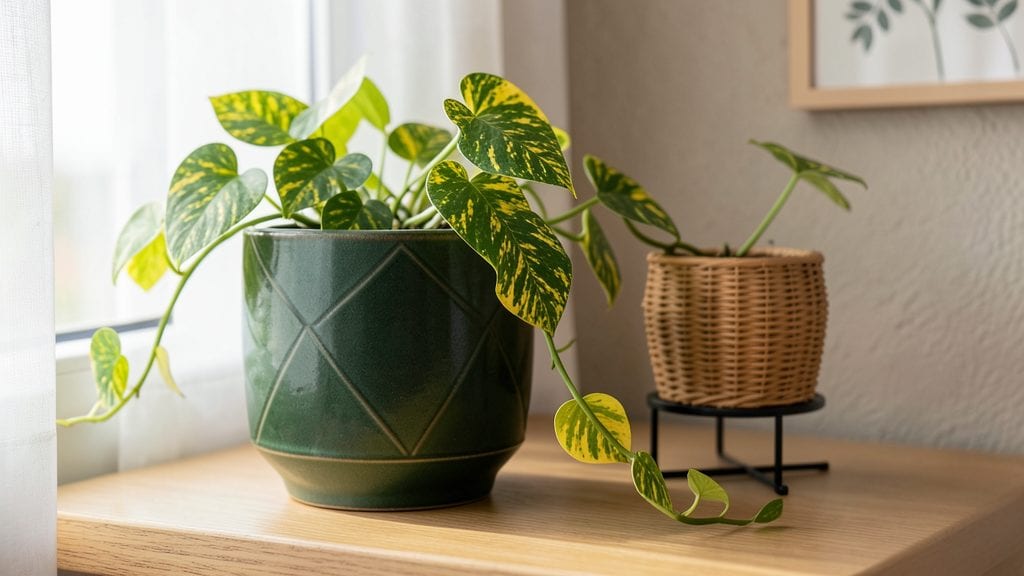
Your house plants containers aren't just pots—they're the secret weapon that turns a simple plant into a statement piece. 🌿 I've transformed my living room from "just plants" to a lush, Instagram-worthy green space by choosing containers that match the plant's personality and my decor style.
The right pot doesn't just hold soil; it sets the stage for your indoor jungle to shine.
Ceramic glaze holds moisture beautifully for tropical plants, while terracotta breathes for succulents, and macramé swings add movement to hanging spots. I've learned that size matters too—root-bound plants need room to grow, but tiny pots force frequent pruning.
The best setups combine function with style: drainage holes for health, color coordination for harmony, and unexpected textures for visual interest.
You'll end up with a collection that feels intentional, not accidental. Imagine your snake plant in a sleek black pot against white walls, or your ferns cascading from a woven hanger above your couch.
The right containers make care easier too—larger pots mean less frequent watering, and self-watering designs keep forgetful gardeners (like me) from overwatering.
This works for every space, from sun-drenched apartments to dim corners. Whether you're going for boho charm, minimalist elegance, or full-on tropical vibes, the containers you choose will make all the difference. Let's find the perfect pots for your plants!
Root Problems in Plant Pots
Understanding why houseplants struggle in their containers is the first step to keeping them thriving. Poor container choices can lead to a cascade of issues—from stunted growth to wilting leaves—often due to hidden factors lurking beneath the surface.
Let’s dig into the science behind these common culprits and why they wreak havoc on your green friends.
When roots outgrow their container, they become tangled, suffocated, and starved for nutrients. This happens because: - Limited Soil Volume: Small pots restrict root expansion, forcing roots to compete aggressively for water and minerals.
Over time, this leads to root-bound plants—roots circling the pot like a tangled ball of yarn. - Oxygen Deprivation: Compacted roots in tight spaces create anaerobic zones, where beneficial microbes struggle to thrive.
This slows nutrient absorption and can even cause root rot if drainage is poor. - Nutrient Exhaustion: Soil in tiny containers depletes faster. Without fresh nutrients, plants show signs like yellowing leaves (chlorosis) or weak stems.
Actionable Fix: Upgrade to a container 2–3 inches larger in diameter when roots emerge from drainage holes. Use well-draining soil mixes to prevent compaction.
Poor drainage is a silent killer. Containers without holes or with blocked drainage traps excess water, suffocating roots. Here’s why it’s deadly: - Waterlogged Roots: Roots need oxygen to respire.
Soggy soil displaces air, leading to hypoxia (oxygen starvation), which triggers rot-causing fungi like Phytophthora. - Salt Buildup: Overwatering flushes nutrients but leaves behind sodium and chlorine, which accumulate in the soil.
This creates a toxic, salty environment that burns root tips. - Fungal Feasts: Stagnant water creates the perfect breeding ground for root rot pathogens and mold. Even "self-watering" pots can fail if not monitored.
Actionable Fix: Always use pots with drainage holes and elevate them on saucers. For cachepot styles (decorative outer pots), ensure the inner container has drainage. Pro Tip: 🌡️ Test drainage by pouring water into the pot—if it sits for more than 10 minutes, your plant is at risk.
Not all containers are created equal when it comes to light exposure. Some materials absorb or reflect heat, altering your plant’s environment: - Dark or Glossy Pots: These absorb heat, raising soil temperatures.
While some tropical plants (like snake plants) tolerate warmth, others (like ferns) wilts from overheating. - Transparent Containers: Clear pots allow light to penetrate the soil, encouraging algae growth on the surface and disrupting root systems.
They also make temperature swings worse in direct sunlight. - Poor Airflow: Dense materials (like thick ceramic) trap humidity, promoting powdery mildew in high-moisture plants, while porous terracotta can dry out moisture-loving species too quickly.
Actionable Fix: Match your pot material to your plant’s light needs. 💡 Use terracotta for succulents (breathable, cools roots) and opaque plastic for tropicals (retains moisture). Avoid clear pots for high-light plants.
Some container materials leach harmful substances or alter soil pH, directly impacting plant health: - Unglazed Terracotta: While porous, it can leach alkaline minerals over time, raising soil pH. This locks out nutrients like iron and manganese, causing yellowing leaves (even in iron-rich soils). - Low-Quality Plastics: Cheap pots may contain phthalates or BPA, which can leach into soil and harm roots.
Look for food-safe or labeled "plant-safe" plastics. - Acidic Pots: Some glazes or untreated woods (like cedar) release tannins or resins, lowering soil pH. This is disastrous for acid-loving plants like gardenias but can stress caladiums or African violets.
Actionable Fix: Pre-wash new pots with vinegar or water to remove leachates. For sensitive plants, line pots with breathable fabric (like burlap) to buffer chemical interactions.
Cracked or porous pots provide perfect hiding spots for pests like fungus gnats, scale, or even slugs.
Here’s how containers become pest magnets: - Moisture Retention: Terracotta and fabric pots hold humidity, attracting fungus gnats that lay eggs in damp soil. - Microclimates: Decorative pots with tight-fitting lids or no airflow trap high humidity, ideal for spider mites and whiteflies. - Secondhand Soil: Reusing pots without sterilizing them can transfer dormant pest eggs or pathogens from previous plants.
Actionable Fix: Sterilize pots with bleach solution (1:10 ratio) or baking soda soak before repurposing. ✨ Add a layer of sand or gravel at the bottom to deter gnats.
Containers act like tiny greenhouses, amplifying temperature extremes. Here’s how they backfire: - Black or Dark Pots: Absorb up to 90% of sunlight, turning the soil into a mini sauna.
This can scorch roots in as little as 2 hours of direct sun. - Metal Pots: Conduct heat and cold rapidly.
A metal pot on a sunny windowsill can raise soil temps to 120°F (49°C), while the same pot in a drafty room can drop temps below 50°F (10°C), shocking roots. - Poor Insulation: Thin plastic or ceramic pots offer no thermal protection, making roots vulnerable to temperature shock during seasonal changes.
Actionable Fix: Use light-colored pots for sunny spots and insulated cachepots (like wooden boxes) for drafty areas. 🎯 Move pots if you notice leaves curling or wilting from heat stress.
Even if a plant isn’t dying, root-bound conditions stunt its potential. Here’s the science: - Circumnutating Roots: Roots grow in circles to escape the pot, forming a dense, tangled mass.
This restricts water and nutrient uptake, leading to slow growth or leaf drop. - Limited Anchorage: Roots need space to stabilize the plant.
Without it, stems weaken, and leaves become floppy or drop prematurely. - Hormonal Imbalance: Crowded roots produce ethylene gas, a plant hormone that triggers senescence (aging) in leaves and flowers.
Actionable Fix: Repot every 1–2 years or when roots circle the drainage hole. 💡 Use a "root pruning" technique: Gently tease out tangled roots before repotting to encourage outward growth.
Fixing Common Container Problems
Even the most stunning house plant containers can face issues—whether it’s drainage woes, root rot, or pests. The good news? Most problems have simple, effective fixes. Below, we’ll tackle the most common container-related issues with step-by-step solutions and prevention tips to keep your indoor jungle thriving.
Cause: Pots without drainage holes or compacted soil trap excess moisture, leading to root rot and fungal growth.
How to Fix It: 🍳 Upgrade Your Containers
- Swap heavy, non-porous pots (like solid ceramic or plastic) for ones with drainage holes. If your current pot lacks holes, place it inside a cache pot (a decorative outer pot with a drainage tray underneath).
- Pro tip: Use terracotta or coconut fiber pots—they’re breathable and help wick away moisture naturally. 🌡️
👨🍳 Improve Soil & Drainage
- Mix in perlite, pumice, or orchid bark (20-30%) into your potting mix to boost aeration.
- Add a layer of gravel or hydro beads at the bottom of the pot before soil to create a reservoir for excess water.
⏰ Water Smarter
- Stick your finger 1-2 inches into the soil before watering. If it’s damp, wait. Overwatering is the #1 killer of potted plants!
- Use self-watering containers with moisture meters for peace of mind.
Prevent It: ✨ Choose the right pot size—too large = too much soil = more moisture retention. Aim for a pot 1-2 inches wider than the plant’s root ball. 🎯 Group plants with similar water needs in the same container to avoid over- or under-watering.
Cause: Stagnant water in containers creates the perfect breeding ground for harmful fungi and bacteria, causing roots to rot.
How to Fix It: 🔪 Trim the Damage
- Remove the plant from its container and rinse the roots gently under lukewarm water.
- Snip off any black, mushy, or foul-smelling roots with sterilized scissors. Healthy roots are firm and white.
🌱 Repot with Fresh Soil
- Sterilize the pot by soaking it in a 10% bleach solution (or use hydrogen peroxide) to kill lingering pathogens.
- Use a well-draining cactus or succulent mix (even for non-succulents) to prevent future rot.
💡 Boost Recovery
- Hold off on fertilizing until new growth appears—plants need energy to heal, not extra nutrients.
- Place the plant in bright, indirect light and water only when the top 1-2 inches of soil are dry.
Prevent It: 🔥 Never let plants sit in saucers of water—empty saucers after watering to avoid soggy roots. 🌡️ Monitor humidity—fungi love damp air. Use a small fan or dehumidifier near your plant collection.
Cause: Stagnant soil, overcrowded plants, or bringing infected plants indoors attract pests like aphids, mealybugs, or fungus gnats.
How to Fix It: 🛡️ Isolate & Inspect
- Quarantine the affected plant away from others to prevent spreading.
- Wipe leaves with a damp cloth to remove visible pests (especially on the undersides).
💦 Treat Naturally - For soft-bodied pests (aphids, mealybugs): Spray with a mix of 1 tsp dish soap + 1 quart water. Repeat every 3-5 days. - For fungus gnats: Let the topsoil dry out completely between waterings.
Add a layer of sand or cinnamon to deter larvae. - For stubborn infestations: Use neem oil (1 tsp per quart of water) as a systemic treatment.
🌿 Repot if Necessary
- If pests are deep in the soil, repot with fresh, sterile potting mix. Trim back any heavily infested roots.
Prevent It: 🎯 Inspect new plants before bringing them home—quarantine them for 2 weeks to catch early signs. 💡 Encourage beneficial insects like ladybugs or lacewings by planting companion herbs (basil, mint) nearby.
Cause: Temperature swings, poor-quality materials, or overwatering can cause ceramic or clay pots to crack.
How to Fix It: 🛠️ Patch & Reinforce
- For minor cracks, use a waterproof epoxy or silicone sealant designed for ceramics.
- If the pot is beyond repair, transfer the plant to a new container of similar size.
🌡️ Adjust Care Routine
- Avoid placing pots in direct sunlight or near heat vents—extreme temps weaken materials.
- Water consistently to prevent soil expansion/contraction cycles that stress the pot.
Prevent It: ✨ Choose high-quality pots—look for thick walls and smooth glaze to prevent chipping. 🔥 Avoid freezing temps—move potted plants indoors if temperatures drop below 40°F (4°C).
Cause: Dust, water stains, or faded paint make containers look tired over time.
How to Fix It: 🖌️ Refresh with Ease
- For ceramic/painted pots: Mix equal parts vinegar and water, scrub with a soft brush, then rinse.
- For fabric or woven pots: Spot-clean with mild soap and water; avoid soaking to prevent mold.
- For stained terracotta: Soak in a 1:1 hydrogen peroxide and water solution for 30 minutes, then scrub.
💡 Update with DIY Tricks
- Paint or decoupage pots with weather-resistant sealant for a fresh look.
- Swap out saucers or add decorative stones/moss for instant style upgrades.
Prevent It: 🌿 Dust regularly—use a microfiber cloth to wipe down pots weekly. 🎯 Rotate pots every few months to prevent uneven fading from light exposure.
With these fixes, your house plant containers will not only look stunning but also keep your plants happy and healthy. A little maintenance goes a long way in creating the perfect indoor oasis! 🌿✨
Frequently asked questions about house plant containers
What’s the best material for containers with moisture-loving plants?
For tropical plants like ferns or calatheas, opt for glazed ceramic or plastic containers—they retain moisture well. Avoid porous terracotta, which dries out too quickly. A cachepot setup (decorative outer pot over a functional inner pot) gives you style while keeping roots happy.
Can I reuse old containers without cleaning them?
Never reuse containers without sterilizing first! Old soil may harbor dormant pests or pathogens. Soak pots in a 1:10 bleach-water solution for 10 minutes, rinse thoroughly, and let dry completely. For fabric or woven pots, wash with mild soap and air-dry to prevent mold.
How do I choose the right container size for my plant?
Size matters! Pick a container 1–2 inches wider than the plant’s root ball. Too small = root-bound plants; too large = excess moisture retention. For fast-growing plants (like monsteras), upgrade every 12–18 months. Slow growers (like snake plants) can stay put for 2–3 years.
Are self-watering containers worth the investment?
Absolutely for forgetful plant parents! Self-watering containers keep soil consistently moist without overwatering. Look for models with moisture meters or reservoir systems. They’re ideal for tropical plants or when you travel. Just avoid them for succulents—they need dry conditions to thrive.
How can I style containers to match my decor?
Mix textures and colors for visual interest! Pair matte black pots with gold accents for modern vibes, or use woven baskets for boho charm. For small spaces, try vertical planters or stacked shelves. Match the container’s color to your plant’s leaves—bright foliage (like calatheas) pops against neutral pots.