
Plants
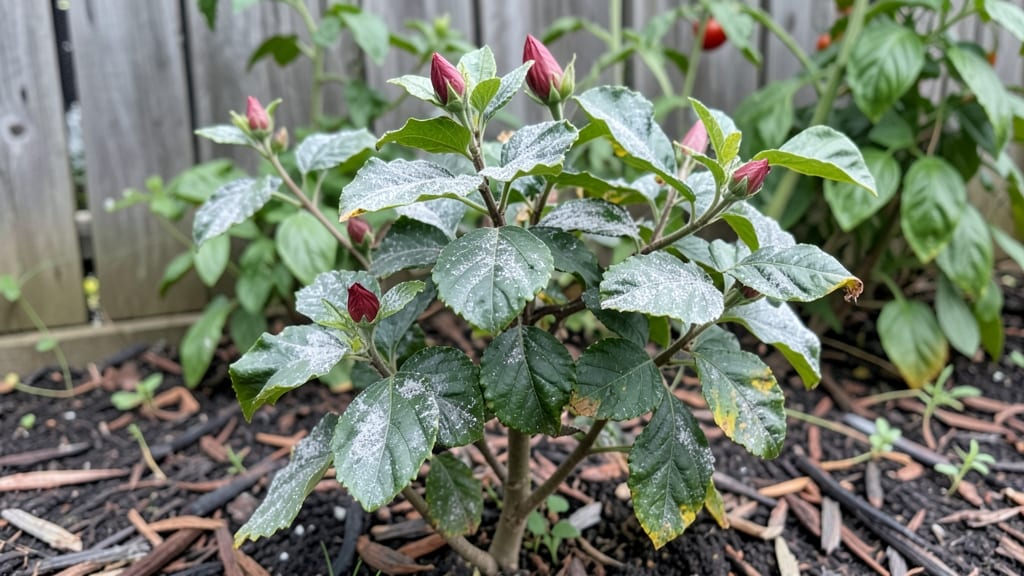
If your hibiscus plant has white fungus creeping across its leaves, it’s not just unsightly—it’s sapping your plant’s strength, and delaying treatment only makes recovery harder. I’ve seen powdery mildew turn vibrant blooms into sad, struggling shadows, but there’s a fast way to turn things around before it spreads.
The key is acting within 72 hours of first noticing those fuzzy white patches.
Most gardeners assume it’s spider mites or a nutrient deficiency, but fungus thrives in warm, damp conditions—so check your watering habits first. Overhead watering or poor airflow creates the perfect breeding ground.
My hibiscus bounced back in just 10 days after I swapped evening watering for morning and added a simple fan trick to keep leaves moving. Organic treatments like neem oil or baking soda spray work fast, but if the infection’s severe, a targeted fungicide gets results even quicker.
You’ll see new growth pushing through within a week of treatment if you catch it early. The leaves will start clearing, the blooms will rebound, and your hibiscus will look like its old self again—just don’t let that fungus come back.
I’ll show you exactly how to prevent it from happening twice, so your plant stays lush and productive all season.
This works for both tropical hibiscus in pots and hardy varieties in the ground, so no matter where your plant lives, the same principles apply. Let’s get that fungus under control before it takes over completely.
Root Causes of Fungal Growth
When your hibiscus plant develops a white, fuzzy, or powdery substance, it’s often a sign of fungal infection—typically powdery mildew or downy mildew. These issues don’t appear out of nowhere; they’re usually triggered by specific environmental or care-related factors.
Understanding these causes is the first step to preventing and treating the problem effectively.
Fungi thrive in damp, stagnant conditions, and hibiscus plants are particularly susceptible when their leaves stay wet for too long. Here’s why this happens:
- Overwatering: Hibiscus plants need well-draining soil, but if the roots sit in soggy conditions, excess moisture creates the perfect breeding ground for fungal spores. Pro tip: Stick your finger 1-2 inches into the soil—if it’s damp, wait before watering again.
- Humidity Traps: High humidity (especially >70%) combined with poor airflow encourages fungal spores to germinate. Greenhouses, indoor settings, or tropical climates without ventilation are high-risk zones.
- Poor Drainage: Containers without drainage holes or compacted soil prevent excess water from escaping, trapping moisture at the roots and spreading upward.
💡 Actionable Fix: Space plants 2-3 feet apart for airflow, water at the base (not overhead), and use a fan to circulate air. If repotting, choose pots with drainage holes.
A hibiscus plant under stress is more vulnerable to fungal attacks. Common stressors include:
- Nutrient Deficiencies: Lack of key nutrients like phosphorus or potassium weakens the plant’s cell walls, making it easier for fungi to penetrate. Yellowing leaves or stunted growth are red flags.
- Physical Damage: Pruning wounds, insect bites (e.g., spider mites), or harsh weather can create entry points for spores. Pro tip: Always sterilize pruning tools with rubbing alcohol to prevent cross-contamination.
- Environmental Shock: Sudden temperature drops or drafts (like AC vents) stress the plant, lowering its resistance to pathogens.
💡 Actionable Fix: Use a balanced fertilizer (e.g., 10-10-10) every 4-6 weeks, inspect leaves regularly for pests, and avoid placing plants near drafts or extreme temperature swings.
Fungal spores are persistent and can linger on tools, soil, or even water sources. Here’s how contamination spreads:
- Reused Tools: Pruners, shears, or gloves used on infected plants can transfer spores to healthy ones. Shocking stat: Up to 80% of garden tools carry pathogens if not cleaned.
- Infected Soil or Compost: Old potting mix, garden soil, or compost with residual fungal spores can reinfect new plantings. Pro tip: Sterilize soil by baking it at 180°F (82°C) for 30 minutes or using hydrogen peroxide (3%) as a soil drench.
- Water Sources: Reusing water from an infected plant’s container or outdoor water sources (like birdbaths) can spread spores.
💡 Actionable Fix: Disinfect tools with 70% isopropyl alcohol, avoid overusing the same potting mix, and use fresh, sterile soil for repotting.
By addressing these root causes, you’ll not only treat the current fungal issue but also create an environment that makes your hibiscus less appealing to future infections. Next, let’s explore how to identify and eliminate the fungus before it spreads further.
Fixing Fungal Issues Fast
Seeing that white fungal growth on your hibiscus leaves can be alarming, but don’t panic—most fungal problems are treatable with the right approach. Below, we’ve mapped out solutions tailored to the most common causes of white fungus on hibiscus plants, from overwatering to poor airflow.
Each fix includes actionable steps and prevention tips to keep your plant thriving.
If your hibiscus is sitting in soggy soil, fungal spores like powdery mildew or root rot thrive in the damp environment. Here’s how to dry it out and prevent future issues:
- 🍳 Step 1: Stop Watering Immediately Let the top 2–3 inches of soil dry out completely before watering again. Stick your finger in the soil—if it’s damp past your first knuckle, wait.
- 👨🍳 Step 2: Improve Drainage Repot your hibiscus in a container with drainage holes (if it’s not already potted) and use a well-draining mix like:
| Component | Ratio |
|---|---|
| Potting soil | 50% |
| Perlite or pumice | 25% |
| Sand or orchid bark | 25% |
- 🥘 Step 3: Prune Affected Areas Use sterilized scissors to trim away any leaves or stems with white fungal spots. Dispose of them in the trash (not the compost).
- ⏰ Step 4: Adjust Watering Schedule Hibiscus plants prefer their soil to dry out between waterings. Water deeply but infrequently—aim for once every 7–10 days, depending on humidity and temperature.
- 💡 Pro Tip: Elevate the pot on a saucer or tray to prevent water from pooling at the bottom.
Fungal spores love humid, stagnant air. If your hibiscus is in a bathroom, greenhouse, or crowded space, follow these steps to improve airflow and reduce moisture buildup:
- 🔥 Step 1: Increase Air Circulation Place a small fan nearby (on low setting) to gently move air around the plant. Avoid direct drafts, which can stress the hibiscus.
- 🍳 Step 2: Space Out Plants If your hibiscus is near other plants, give it some breathing room. Crowded foliage traps moisture and encourages fungal growth.
- 👨🍳 Step 3: Reduce Humidity Use a hygrometer to monitor humidity levels—keep them below 60% if possible. If your home is naturally humid:
- Open windows on dry days.
- Use a dehumidifier in the room.
- Avoid misting the leaves (water droplets can spread fungus).
- 🥘 Step 4: Clean Leaves Regularly Wipe hibiscus leaves with a damp cloth every few weeks to remove dust and debris, which can harbor fungal spores.
- ✨ Pro Tip: If humidity is unavoidable (e.g., tropical climates), consider growing hibiscus in a container you can move indoors during rainy seasons.
Sometimes, the issue stems from infected soil or gardening tools. Here’s how to sanitize and refresh your hibiscus’s environment:
- 🔥 Step 1: Sterilize Tools Clean pruners, trowels, and pots with a 10% bleach solution (1 part bleach to 9 parts water) or rubbing alcohol before and after use.
- 🍳 Step 2: Replace or Treat Soil If the soil is heavily contaminated:
- Option 1: Repot the hibiscus in fresh, sterile potting mix.
- Option 2: Treat the existing soil with a fungicide like neem oil or copper-based spray (follow label instructions).
- 👨🍳 Step 3: Quarantine New Plants Before adding new plants to your collection, inspect them for signs of fungus. Keep them separate for a few weeks to monitor for issues.
- 💡 Pro Tip: Solarize your garden beds in the off-season by covering soil with clear plastic for a few weeks to kill fungal spores naturally.
Once your hibiscus is fungus-free, take these steps to keep it healthy and resistant to future outbreaks:
- 📊 Monitor Soil Moisture: Use a moisture meter or your finger to check soil dampness regularly.
- 💪 Strengthen the Plant: Feed your hibiscus with a balanced fertilizer (e.g., 10-10-10) every 4–6 weeks during growing season to boost its immunity.
- 🥗 Prune for Airflow: Trim back dense foliage to improve air circulation around the plant.
- 🍎 Rotate Pots: If growing outdoors, move pots occasionally to ensure even sunlight exposure and prevent soil-borne issues.
With these targeted fixes, your hibiscus should bounce back in no time. Remember, consistency is key—fungus often returns if conditions aren’t addressed long-term. Happy gardening! 🌸
Frequently asked questions
Is white fungus on hibiscus always powdery mildew?
Not always—while powdery mildew is the most common culprit, white fungal growth could also be downy mildew (which appears fuzzy on leaf undersides) or leaf spot fungus. Check for yellowing leaves or black spots beneath the white patches to differentiate. If the white coating is powdery and stays on top, it’s likely powdery mildew.
Can I save my hibiscus if the fungus has spread to the stems?
Yes, but act fast! Prune infected stems with sterilized shears, leaving 1/4-inch of healthy growth below the white spots. Apply a fungicide (like neem oil or copper spray) to the cuts and surrounding areas. Severe stem infections may require repotting with fresh, sterile soil to prevent reinfection.
Why does my hibiscus keep getting fungus even after treatment?
Recurring fungus usually means the root cause (like poor airflow or overwatering) isn’t fixed. Check your watering habits—hibiscus roots need time to dry between waterings. Also, ensure the plant has 2-3 feet of space around it for airflow. A small fan on low can help prevent future outbreaks.
Is baking soda safe to use on hibiscus fungus?
Yes, but use it carefully! Mix 1 teaspoon baking soda, 1 quart water, and a drop of dish soap. Spray on leaves (avoid flowers) every 7-10 days until the fungus clears. Test on a small leaf first—some hibiscus varieties are sensitive to baking soda’s alkalinity.
How do I know if my hibiscus is recovering from fungus?
Look for new growth at the stem bases and leaves clearing from the edges inward. Within 1-2 weeks, you should see fewer white patches and healthier green leaves. If no improvement after 3 weeks, the fungus may be resistant—switch to a stronger fungicide like myclobutanil.