
Plants
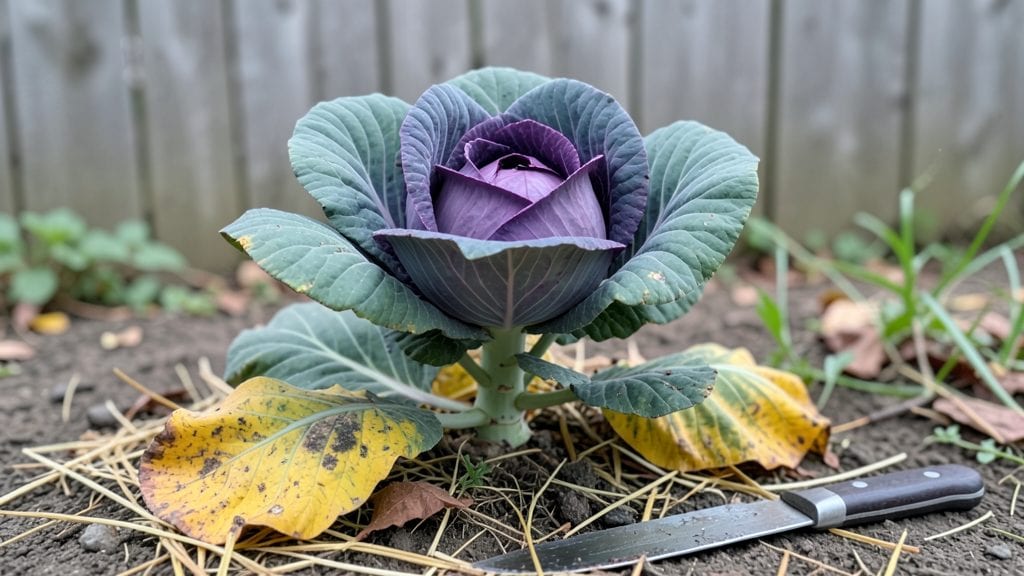
Harvesting cabbage plants at the right time ensures the sweetest, crispest heads 🥬—and skipping this step means bitter, tough, or even spoiled veggies.
Picture this: you’ve nurtured your cabbage for months, only to pull a head that’s either still rubbery or already splitting at the seams. The difference between a perfect harvest and a wasted crop often comes down to two things: knowing when to cut and doing it the right way.
In this guide, I’ll walk you through the exact signs your cabbage is ready (no guesswork!), the best tools to use, and how to store your harvest so it stays fresh for weeks—even months.
Whether you’re a first-time gardener or a seasoned pro, these tips will save you from common mistakes and keep your kitchen stocked with homegrown goodness.
Ready to go from garden to table with flawless cabbage? Let’s get started.


When to harvest cabbage: signs of perfect ripeness and seasonal timing
Timing your cabbage harvest correctly ensures the best flavor, texture, and storage potential. Most varieties reach maturity between 75 to 100 days after planting, but don’t rely solely on days—watch for visual and tactile cues.
The ideal harvest window depends on your climate zone and the specific variety you’re growing, whether it’s green cabbage, red cabbage, or savoy cabbage. 🥬
Cool weather actually improves cabbage’s sweetness and crispness, so aim to harvest before summer heat triggers bolting (premature flowering). In USDA Zone 6a, spring cabbage is ready by late June, while fall crops should be harvested by late October.
If you’re in a warmer zone, prioritize early morning harvests to avoid heat stress during the day. 🌡️
Here’s my foolproof checklist for determining ripeness: squeeze the head gently—it should feel dense and compact, not soft or spongy. The outer leaves should be tightly wrapped and crisp, with no yellowing or loosening. If the head matches your variety’s expected size (e.g., 6–8 inches for most green cabbage), it’s likely ready. 📏
One common mistake is harvesting too late, which leads to head splitting or bitter flavors. Split heads happen when the plant can’t contain its own growth, often due to inconsistent watering or over-fertilization with nitrogen.
To prevent this, monitor your plants closely and harvest before the head starts to loosen at the core. 🚨
Seasonal timing is everything. In spring-planted cabbage, harvest just as the weather warms but before temperatures exceed 75°F. For fall crops, wait until the first frost is 2–3 weeks away—this sweetens the flavor.
If you’re growing in container gardens, pay extra attention to root-bound stress, which can signal it’s time to harvest sooner. 🪴
| Stage | Days to Maturity | Harvest Cues | Seasonal Timing |
|---|---|---|---|
| Early Maturity | 60–75 days | Head firm but slightly soft; leaves loosely wrapped | Spring (late May–June) or early fall (late August) |
| Peak Ripeness | 75–90 days | Head dense, leaves tightly bound, no yellowing | Spring (June–July) or fall (September–October) |
| Overripe | 90+ days | Head splits, leaves yellow, bitter taste | Late summer (post-bolting) or after frost |
| Heat Stress | Any stage | Leaves wilt, head loosens, premature bolting | Summer (above 80°F) |
Different cabbage varieties have unique ripening patterns. For example, savoy cabbage often matures slightly later than green varieties and has wrinkled leaves, which is normal. Meanwhile, red cabbage holds its color best when harvested early—waiting too long can dull the vibrant hue.
Always check the seed packet for variety-specific guidelines, as some dwarf types mature in as few as 50 days. 🌱
If your cabbage starts to bolt (sends up a flower stalk), it’s a clear sign you’ve missed the harvest window. Bolting is triggered by heat stress, day length, or nutrient deficiencies.
To delay bolting, provide consistent moisture and shade cloth during peak summer heat. Once bolting occurs, the head will become tough and bitter, so harvest any remaining usable leaves for cooking. ⏰
For extended storage, prioritize harvesting on a cool, dry morning after dew has evaporated. Use a sharp knife to cut the head cleanly, leaving a 1-inch stem to preserve freshness. Avoid twisting or pulling, which bruises the plant and shortens storage life.
Store harvested cabbage in a plastic bag in the crispest part of your fridge (usually the bottom drawer). 💧
Pro tip: If you’re unsure whether your cabbage is ready, harvest a small outer leaf and taste it. The flavor should be mildly sweet and crisp—if it’s still bland or watery, wait a few more days.
This simple test saves you from harvesting too early and missing out on peak flavor. Remember, patience pays off with cabbage! ✅
Finally, keep an eye on pests and diseases that can mimic ripeness signs. For instance, cabbage worms or clubroot can cause heads to split prematurely. If you notice chewed leaves or stunted growth, address the issue immediately—it’s better to harvest a slightly underripe head than a damaged one. 🪴
Step-by-step guide to cutting cabbage for maximum storage life
Harvesting cabbage at the right time ensures peak flavor and longer storage life. The method you choose—whether twisting or cutting—depends on your variety and how you plan to store it.
For example, green cabbage stores best when cut cleanly, while savoy cabbage benefits from a gentler twist to preserve its delicate leaves. Let’s dive into the tools, techniques, and post-harvest care that will keep your cabbage fresh for weeks.
Before you begin, gather your essential tools: a sharp pruning knife or clean garden shears, gardening gloves (to protect your hands from sap), and a large bowl or basket to collect your harvest.
Avoid dull tools—rough cuts invite rot and shorten shelf life. Work on a dry, sunny day to minimize moisture and reduce the risk of disease. Now, let’s get to the step-by-step process.
How to Harvest Cabbage for Long-Term Storage
-
Step 1: Choose the Right Time
Harvest when heads are firm, dense, and tightly wrapped in leaves. For green cabbage, this is usually 70-80 days after transplanting. -
Step 2: Prepare Your Tools
Sterilize your knife or shears with rubbing alcohol to prevent bacterial contamination. Wear gardening gloves to avoid staining your hands with cabbage sap. -
Step 3: Decide on Cutting vs. Twisting
For storage purposes, cutting is best—leave a 1-inch stem attached to slow moisture loss. For immediate use, twisting at the base works for savoy cabbage to preserve texture. -
Step 4: Make the Cut
Hold the head firmly and cut cleanly with a single motion. Avoid tearing leaves, which speeds up spoilage. For large heads, cut close to the base but leave 2-3 outer leaves intact. -
Step 5: Handle with Care
Place harvested cabbage in a shaded, well-ventilated area for 1-2 hours to dry. This prevents moisture buildup, which leads to mold during storage. -
Step 6: Store Properly
For long-term storage, wrap heads in plastic bags with a paper towel to absorb moisture. Store in a cool (32-40°F), humid (90-95%) environment like a root cellar.
Did you know that red cabbage stores slightly shorter than green cabbage due to its thinner leaves? To extend its life, store it in a perforated plastic bag in the crisper drawer of your fridge.
For savoy cabbage, which has a more delicate structure, avoid stacking heads—this can cause bruising and spoilage. Instead, store them separately in a single-layer arrangement.
After harvesting, inspect your cabbage for damaged leaves or pests. Remove any affected areas immediately, as they can spread to healthy parts. If you notice yellowing leaves or soft spots, these are signs of overripe or diseased cabbage—use these first in cooking or compost them to avoid contamination.
Proper post-harvest care is just as critical as the cutting technique itself.
For gardeners in warmer climates, harvesting in the early morning helps reduce stress on the plant. If you’re dealing with bolting cabbage (when the plant flowers prematurely), harvest immediately—bolted cabbage loses flavor and storage potential.
With these techniques, your cabbage will stay crisp and fresh for weeks, ready to use in salads, soups, or fermented dishes.