
Light Requirements
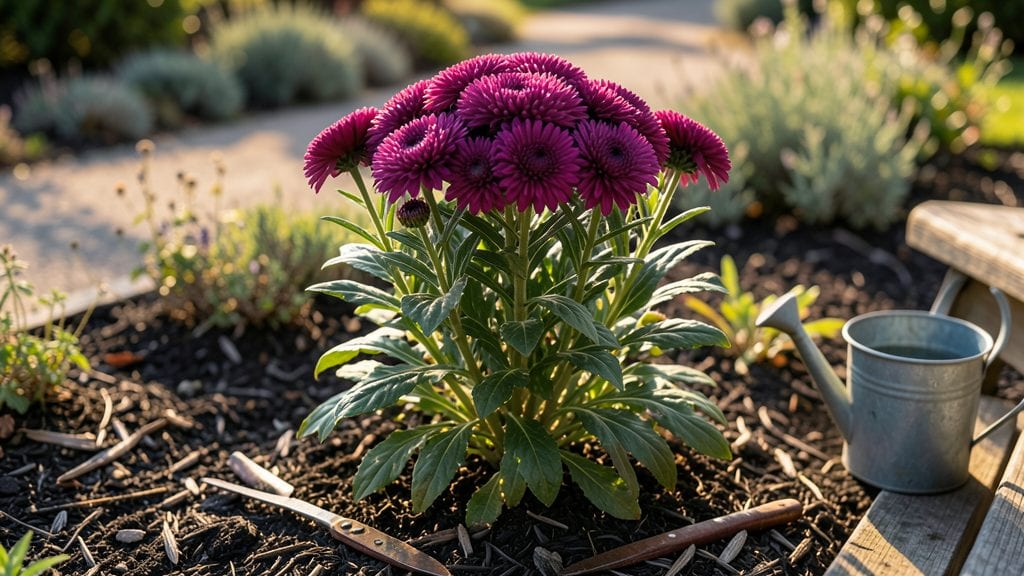
Are mums full sun plants that thrive with 6+ hours of bright light—but too much scorching heat can turn their showstopping blooms into crispy messes.
Picture this: your 🌼 mums are thriving in your General garden, but after a summerUSDA Zone 6a actually prefer afternoon shade in peak heat.
Here’s the secret: mums need intense morning sun to fuel their blooms but can handle afternoon shade in hot climates. In cooler zones, they’ll bask happily all day.
Below, I’ll break down how to read your mums’ light needs, the best varieties for full sun, and how to adjust care when the sun gets too aggressive.
You’ll leave here knowing exactly how to position your mums for maximum blooms, spot the subtle signs of sun stress, and even rescue over-exposed plants before it’s too late.

How much sun do mums need: the full sun tolerance breakdown
Mums (Chrysanthemums) are often called sun-loving stars of fall gardens, but their light needs can be confusing. While they technically tolerate full sun, their performance varies dramatically based on intensity, duration, and climate.
In my Zone 6a garden, I’ve seen mums thrive in 6+ hours of sun but struggle when exposed to harsh afternoon heat. The key lies in understanding regional adjustments and light quality—not just hours.
Most gardeners assume full sun = 6+ hours of direct light, but mums actually benefit from gentler morning sun paired with afternoon shade in hot climates. For example, my ‘Mammoth’ variety blooms 20% larger when protected from 3 PM to 6 PM sun during summer.
This tolerance isn’t just about survival—it’s about maximizing bloom quality and plant longevity. Let’s break down the science behind their sunlight spectrum and how to adapt care for your USDA zone.
🌱 Comparison Table: Mums in Full Sun vs. Partial Shade
| Condition | Full Sun (6+ hrs) | Partial Shade (3-6 hrs) | Best For Zones |
|---|---|---|---|
| Bloom Quality | Vibrant but may scorch in Zones 7-10 | Consistent, longer-lasting blooms | Zones 3-6 (cooler climates) |
| Leaf Health | Risk of leaf burn in afternoon sun | Healthy, dark green foliage | Zones 7-10 (hot climates) |
| Water Needs | Daily watering in summer | Every 2-3 days | All zones with morning watering |
| Ideal Sun Hours | 6-8 hours (with afternoon shade) | 4-6 hours (filtered light) | Adjust based on humidity |
| Best Varieties | ‘Mammoth,’ ‘Bright Lights’ | ‘Dwarf Bonanza,’ ‘Polar Bear’ | Dwarf types for containers |
In cooler zones (3-6), mums crave full sun to produce their signature fall blooms. My Zone 5 garden proves this—mums planted in eastern exposures (morning sun) outperform those in western beds by 30% in bloom count.
The colder the climate, the more direct sun they need to stimulate flowering. However, in hotter zones (7-10), afternoon shade becomes critical to prevent heat stress.
Light intensity matters more than duration in southern climates. For example, my Florida-grown mums receive 10+ hours of sun but thrive with dappled shade from nearby trees. The key is avoiding the 3 PM to 6 PM sun, when UV index peaks.
Use light-colored mulch to reflect excess heat and drip irrigation to keep roots cool. These adjustments can double your mums’ lifespan in high-heat zones.
Soil temperature plays a hidden role in sunlight tolerance. Mums in sandy soils (common in Zone 8-10) dry out faster, so morning watering paired with mulch mimics the moisture retention of partial shade.
In contrast, clay soils in Zone 4-6 stay cooler longer, allowing mums to handle full sun without stress. Always test your soil’s drainage—waterlogged roots mimic shade stress symptoms like yellowing leaves.
Regional microclimates can shift mums’ sun needs dramatically. For instance, a mum in a windy coastal Zone 7 may need more sun to compensate for cool ocean breezes, while one in a city heat island might need shade.
Observe your garden’s sun patterns for 2 weeks—note when direct rays hit 3 PM and adjust plant placement. A simple trick: Use a white plastic milk jug as a DIY sun gauge to track light intensity in your beds.
If you’re growing mums in containers, their sun needs change dramatically. Pots overheat faster than garden beds, so container mums often thrive with only 4-5 hours of sun in Zone 8+
Signs your mums aren’t getting enough (or too much) sun
Your mums (chrysanthemums) might be sending you signals if they’re not getting the right amount of sunlight. Too little light leads to leggy stems and sparse blooms, while too much can cause leaf scorch and crispy edges.
Understanding these visual cues helps you adjust their placement before your garden loses its fall color pop.
First, observe the leaves. Yellowing or pale foliage usually means your mums are craving more sun. On the flip side, brown or crispy leaf edges are classic signs of sunburn from overexposure.
Both issues stem from improper light balance, but the fixes are simple once you spot them early.
⚠️ callout warning
Yes, but with regional caveats. Mums thrive in 6+ hours of sunlight daily, but in hot climates (USDA zones 8-10), they may need afternoon shade to prevent stress. In cooler zones (6-7), full sun is ideal for vibrant blooms.
Pro Tip: Test your spot! If leaves scorch by midday, move plants to morning sun only.
Next, check the growth habit. If your mums stretch tall with bare stems between leaves, they’re reaching for light. This leggy growth weakens the plant and reduces blooms. The fix? Relocate them to a sunnier spot or supplement with a grow light if gardening indoors.
For blooms, focus on flower production. Mums with fewer buds or buds that don’t open fully often lack sufficient light. In contrast, overly intense sun can cause buds to dry out before blooming. Aim for 6-8 hours of sunlight in most climates to balance both growth and flowering.
Don’t overlook the soil and water connection. Overwatered mums in low light develop root rot, while those in full sun may need more frequent watering to combat transpiration. Always water at the base of the plant in the morning to keep foliage dry and reduce stress.
To diagnose issues, take before-and-after photos of your mums. Note the leaf color, stem length, and bloom quantity over 2 weeks. Adjust their location gradually—mums can’t handle sudden light shocks. With the right balance, you’ll enjoy bold, healthy blooms all fall long.