
Companion Plants
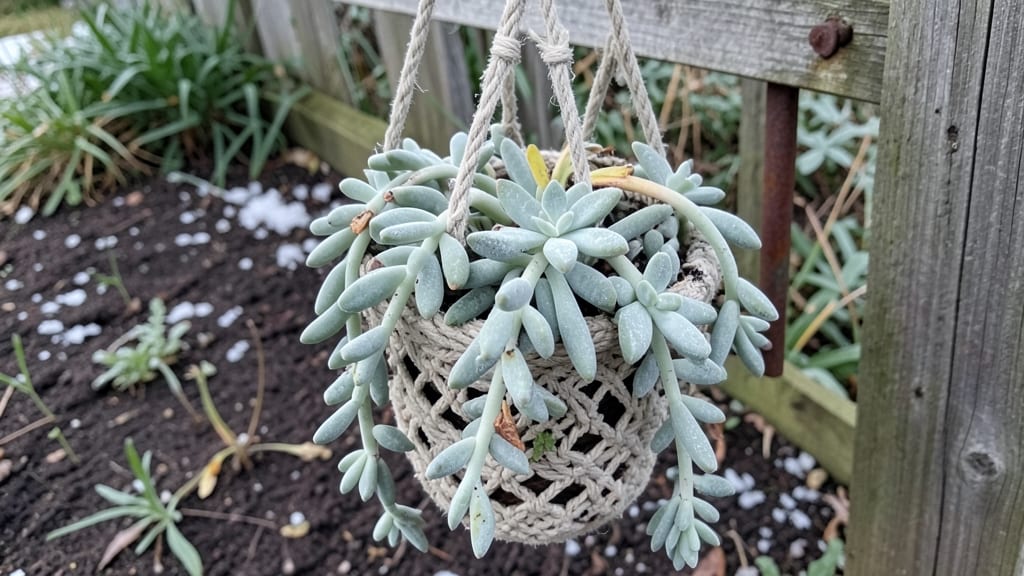
This hanging plants winter survival guide will show you how to keep your cascading greens lush—even when frost bites. 🌿 I learned the hard way that some plants handle cold like champs while others wilt faster than a summer. tomato in shade.
The secret lies in selecting hardy options like winter jasmine, hellebores, or even certain evergreen ferns that keep their color even when temperatures dip.
You don’t need a greenhouse or fancy equipment—just a few smart adjustments.
Move containers closer to walls or under eaves to shield them from wind, and wrap them in bubble wrap if nights get below 20°F. Prune back leggy growth in early fall to encourage bushier, frost-resistant growth, and reduce watering once soil temperatures drop below 40°F to prevent root rot in soggy pots.
What you’ll end up with is a winter garden that stays lush and vibrant when neighbors are pulling out their dead plants. These varieties won’t just survive—they’ll put on fresh growth in late winter, giving you a head start on spring.
Plus, their textures and colors add winter interest that’s impossible to ignore.
Works for everything from small balconies to large patios, and even adapts to container gardens on covered porches. Here’s how to pick the perfect plants and keep them thriving through the coldest months—no green thumb required, just a little strategy.
📚 In This Guide
- What you need
- Instructions
- Tips and common mistakes
- Wrapping up and next steps
What you need
- ● Cold-resistant hanging plants: Choose from these top picks (1-3 per planter): Ivy (Hedera helix) – Hardy to Zone 3
- ● English Boxwood (Buxus sempervirens) – Hardy to Zone 5
- ● Creeping Jenny (Lysimachia nummularia) – Hardy to Zone 4
- ● Winter Jasmine (Jasminum nudiflorum) – Hardy to Zone 5
- ● Hanging planters: 1-2 per plant, with drainage holes (10-12" diameter for small plants, 14-16" for larger varieties). Opt for terracotta, fiberglass, or plastic (terracotta is best for cold climates).
- ● Potting mix: 1 gallon of well-draining, peat-based mix (add 20% perlite or sand for winter resilience). Avoid heavy garden soil!
- ● Slow-release fertilizer: 1 tbsp per planter (look for balanced 10-10-10 or organic options like fish emulsion).
- ● Mulch: 1-2 inches of straw, pine needles, or shredded bark (applied after planting).
- ● Plant supports: Small coco coir or moss-covered wire baskets (for trailing plants like ivy).
- ● Frost cloth: 1 roll (breathable, 30g/m² weight) to shield plants from hard freezes (below 20°F/-7°C).
- ● Mini greenhouse or cloche: 1-2 clear plastic domes (for extreme cold snaps or tender varieties).
- ● Watering can with a rose nozzle: For gentle watering (avoid wetting foliage in freezing temps).
- ● Plant labels: 5-10 (waterproof markers + stakes) to track varieties.
- ● Location: Choose a spot with partial shade to full sun (adjust based on your plant’s needs—e.g., ivy tolerates shade, winter jasmine craves sun).
- ● Temperature: Ensure your zone matches the plant’s hardiness (check the USDA Plant Hardiness Zone Map 🌍).
- ● Water source: Access to lukewarm water (cold water can shock roots in winter).
- ● Time: 30-60 minutes for setup (plus occasional maintenance).
Step-by-Step guide to selecting and caring for cold-resistant hanging plants
Here's how to keep your balcony or patio vibrant even when frost threatens—without losing those lush, trailing beauties.
🌱 Step 1: Choose the Right Cold-Hardy Varieties
Start with plants that naturally tolerate 20-25°F dips. My top picks are English ivy (Hedera helix), creeping Jenny (Lysimachia nummularia), and heuchera (coral bells)—all thrive in hanging baskets through winter. Avoid tropicals like fuchsias or caladiums; they won't survive below 40°F.
Look for established plants with thick stems and multiple trailing vines. Younger plants struggle to recover from winter stress. I always check the root ball—it should be dense and full, not sparse. This ensures they've got the energy reserves to handle cold snaps.
☀️ Step 2: Position Baskets for Winter Protection
Move baskets to a location with morning sun and afternoon shade—this prevents rapid temperature swings that damage tender foliage. A south-facing wall works best in most climates. If you're in a windy area, place them near a fence or wall to create a microclimate that traps warmth.
I like to elevate baskets slightly off the ground with plastic plant saucers or hanging basket stands. This prevents soil from freezing solid and keeps roots insulated. Watch for ice buildup on leaves—tap it off gently to avoid tearing delicate stems.
💧 Step 3: Adjust Watering for Winter Conditions
Water only when the soil feels completely dry to the touch—usually every 7-10 days in winter, depending on your climate. Overwatering leads to root rot in cold soil. I use a moisture meter to check depth; if it reads dry at 1 inch down, it's time to water.
Use lukewarm water to avoid shocking roots. Water in the morning so excess moisture evaporates before nightfall. If your area gets heavy snow, let it accumulate naturally—it acts as insulation. Only brush off snow if it's more than 2 inches thick.
✂️ Step 4: Prune and Fertilize Strategically
Trim back any dead or damaged leaves in early spring, but avoid heavy pruning until mid-April—this gives plants time to recover. I focus on removing only the worst damage so the plant isn't stressed further. Use clean, sharp pruners to make cuts just above a leaf node.
Hold off on fertilizing until you see new growth in spring. A light application of balanced 10-10-10 fertilizer in early April gives them a boost without overstimulating tender new shoots. Too much fertilizer in winter can burn roots that are still semi-dormant.
🪴 Step 5: Protect from Late Freezes
If a hard freeze (below 20°F) is forecast, cover baskets with frost cloth or burlap in the afternoon before temperatures drop. Secure the covering with clothespins or weights so it doesn't blow away. Remove it on sunny days to prevent overheating.
I also like to wrap the basket itself in bubble wrap for extra insulation—it creates an air pocket that traps warmth. Check plants daily during freezes; if leaves feel crispy, they're likely damaged but will often recover once temperatures rise. Never use plastic sheeting—it traps moisture and promotes rot.
Tips & tricks for perfect year-round hanging plants
These simple strategies will help your cold-resistant hanging plants thrive through frost and beyond—without losing that lush, vibrant look.
Temperature Matters: When selecting plants in Step 1, focus on those labeled as hardy to 20-25°F. I've found that English ivy often surprises people by surviving 20°F dips better than expected, while creeping Jenny handles 25°F beautifully. The key is avoiding anything labeled "tender" or "tropical"—those won't make it past 40°F.
Root Health is Everything: In Step 1, when checking root balls, look for dense, white roots—not just the brown, woody ones. I learned this the hard way after losing plants with sparse roots during our first winter freeze. Healthy roots store energy like little food banks, helping plants bounce back from cold snaps.
Snow Strategy: During Step 3, let that snow accumulate naturally—it's like nature's insulation! I used to brush it off immediately, but now I only remove snow thicker than 2 inches. The snow acts as a protective blanket, keeping roots insulated and soil temperatures stable. Just be gentle when brushing—those trailing vines are delicate.
Frost Protection Hack: For Step 5, I've had the best luck with a combination of frost cloth and bubble wrap. Wrap the basket first in bubble wrap (like a cozy sweater), then drape frost cloth over it. This double layer creates a microclimate that can raise temperatures by 5-10°F inside the basket—enough to protect most cold-hardy varieties during brief freezes.
Pro Tips for Hanging Plants Winter
- These simple strategies will help your cold-resistant hanging plants thrive through frost and beyond—without losing that lush, vibrant look.
- Temperature Matters: When selecting plants in Step 1, focus on those labeled as hardy to 20-25°F.
- Root Health is Everything: In Step 1, when checking root balls, look for dense, white roots—not just the brown, woody ones.
Frequently asked questions
Can hanging plants survive winter outdoors if they’re not cold-hardy?
Most tropical or tender hanging plants (like ferns or calatheas) will not survive frost. If you love their look, bring them indoors before temperatures dip below 40°F (4°C). For outdoor winter interest, opt for cold-resistant varieties like Hellebores or Ivy, which thrive in chillier climates. Pro tip: Use frost cloth or move pots to a sheltered spot if you’re unsure!
How do I protect hanging plants from winter wind and frost?
Wind and frost can dry out plants or damage delicate foliage. Start by placing pots near walls or under eaves to block harsh winds. For extra protection, wrap containers in bubble wrap or use burlap wraps—just avoid plastic, which can trap moisture and cause rot. Elevate pots slightly to prevent waterlogging from melting snow. Bonus: Mulch the soil with straw for insulation!
What are the best hanging plants for winter color or texture?
If you crave winter greenery with a pop, try these cold-tolerant stars:
- Winter Jasmine (Jasminum nudiflorum) – Bright yellow flowers in late winter.
- Cyclamen (Cyclamen hederifolium) – Delicate pink/purple blooms and heart-shaped leaves.
- Sedum (Sedum ‘Autumn Joy’) – Hardy succulents with deep red hues in fall/winter.
- Pine or Cedar (Juniperus spp.) – Evergreen texture and fragrant foliage.
These thrive in USDA Zones 5-9 with minimal fuss!
My hanging plant leaves are turning brown in winter—what’s wrong?
Brown tips or crispy edges usually mean one of three issues:
- Underwatering: Winter air is dry, so check soil moisture weekly (stick your finger in—top inch should be dry).
- Overwatering: Cold soil drains poorly. Let pots dry out more between waterings.
- Frost burn: If leaves look scorched, they’ve been exposed to freezing temps. Move plants to a sheltered spot ASAP.
Quick fix: Trim damaged leaves with clean scissors and adjust care based on the cause.
Can I keep hanging plants indoors all winter without sunlight?
Indoor winter light is often the real villain! Most hanging plants need 4-6 hours of bright, indirect light daily. If your space is dim, supplement with a grow light (12-14 hours/day) or rotate pots near the brightest window. South-facing windows are ideal, but east/west works too. Watch for: Leggy growth (stretching toward light) or pale leaves—signs they’re starving for sunshine!
Wrapping up and next steps
Bringing winter greenery indoors with hanging plants is easier—and more rewarding—than you think! 🌿 From hardy Hoya to resilient Sedum, these cold-resistant varieties prove that vibrant foliage can thrive year-round with just a little care.
Whether you’re a seasoned plant parent or a curious beginner, the key is choosing the right species and giving them the love they deserve.
Ready to transform your space? Start small—pick one or two plants, gather your supplies, and let your green thumb shine! Next up: Hang them up, snap a photo, and share your winter garden glow with #HangingPlantsWinter. Your indoor jungle awaits! 🌱✨