
Companion Plants
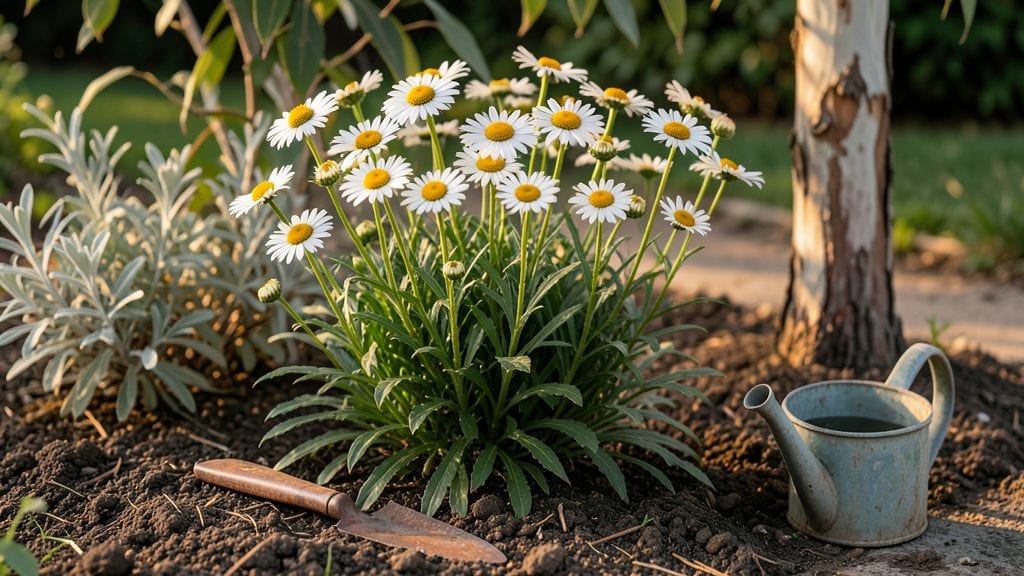
Growing daisy plants in Australia means embracing sun-loving perennials that thrive where others struggle. 🌻 I’ve watched my native Rhodanthe and Brachyscome daisies turn dry patches into vibrant spots, their cheerful blooms lasting from spring through summer—and even into autumn with the right care.
The key isn’t just sunlight; it’s understanding their deep roots and drought tolerance, traits that make them perfect for Australia’s varied climates.
Start with well-draining soil—sandy or loamy—and full sun, even in coastal areas where humidity can be tricky. Most daisy varieties here need minimal fuss: water only when the top inch of soil feels dry, and mulch to keep moisture in.
Coastal regions might need extra attention to salt spray, while inland gardens benefit from their ability to handle heat waves without wilting. The right variety makes all the difference—native daisies like Brachyscome iberidifolia stay compact and colorful, while larger Rhodanthe types add drama to borders.
By mid-spring, you’ll see those first bright faces popping up, and with proper spacing (12–18 inches apart), they’ll spread into lush ground cover. The real magic happens when they self-seed, creating natural drifts that attract pollinators.
Even in hot summers, they keep blooming, proving that low-maintenance beauty is possible—no matter where you are in the country. Let’s get those daisies growing!
For inland gardens, prioritize drought-resistant types, while coastal growers should focus on salt-tolerant varieties. Both thrive with minimal water once established, making them ideal for busy gardeners or water-wise landscapes. The secret? Choose the right daisy for your patch, and let the sun do the rest.
📚 In This Guide
- What you need
- Instructions
- Tips and common mistakes
- Wrapping up and next steps
What you need
- ● Daisy plants or seeds: Choose Leucanthemum (Shasta daisies) or Bellis perennis (English daisies) for Australia’s climate. Opt for disease-resistant varieties like ‘Becky’ or ‘Alaska’.
- ● For seeds: 1–2 packets (500–1,000 seeds) per 10m² bed.
- ● For plants: 5–10 mature plants (spaced 30–60cm apart).
- ● Well-draining potting mix or garden soil: 1 cubic meter of compost-enriched soil (mix 2 parts garden soil + 1 part compost + 1 part perlite/sand for drainage).
- ○ Optional: Add slow-release fertilizer (10-10-10 NPK) at planting (1 tbsp per plant).
- ● Containers (if not planting in-ground): 5–10 pots (15–20cm diameter) with drainage holes.
- ● Garden trowel or transplanting spade (for digging holes).
- ● Pruners or sharp scissors (to trim dead foliage or divide clumps).
- ● Watering can or hose with gentle spray nozzle (daisies hate soggy roots!).
- ● Gloves (to protect hands from thorns or soil).
- ○ Mulch (optional): Organic mulch (e.g., straw or wood chips, 2–3cm thick) to retain moisture.
- ● Sunlight: Full sun (6+ hours/day)—daisies thrive in Australia’s bright climate!
- ● Climate: Hardy in USDA Zones 5–9 (most of Australia except tropical far north).
- ● Watering: Moderate water (keep soil evenly moist but not waterlogged).
- ● Soil pH: Slightly acidic to neutral (6.0–7.0) (test with a soil pH kit if unsure).
Step-by-Step instructions for planting daisy perennials in Australia
Here’s how to establish vibrant, sun-loving daisy perennials that thrive year-round in Australian climates.
🌱 Step 1: Choose the Right Daisy Variety for Your Climate
Australia’s diverse zones demand careful selection. For cooler coastal regions, opt for Gerbera daisies—they tolerate mild winters and brighten gardens from spring to autumn. In hot inland areas, African daisies (Osteospermum) or Shasta daisies handle heat better, with some varieties even blooming in winter. Check your local frost dates: most daisies die back in frost but regrow from roots in spring.
I always verify hardiness zones with my local nursery—they’ll know which varieties survive your specific microclimate. For example, Gerbera ‘Marmalade’ thrives in Sydney’s mild winters, while Osteospermum ‘Blue Horizon’ dominates Perth’s hot summers. Plant 4-6 daisies per cluster for a full, natural look.
☀️ Step 2: Select a Sunny, Well-Draining Spot
Daisies crave full sun (6+ hours daily)—no compromise here. In Australia’s intense sunlight, partial shade leads to leggy stems and sparse blooms. I test spots by observing how quickly the ground dries: if moisture lingers past mid-morning, amend the soil with 1 part coarse sand to every 2 parts native potting mix for better drainage.
For container growing, use pots with drainage holes and fill with a mix of 50% potting mix and 50% perlite. Place containers on elevated stands to prevent waterlogging. Watch for yellowing leaves—a sure sign of overwatering in our heat. Mulch with 2-3 inches of organic mulch (like pea straw) to retain moisture without smothering roots.
💧 Step 3: Plant at the Right Depth and Spacing
Dig holes twice as wide as the root ball but only as deep—daisies hate being buried too deep. Gently loosen roots if they’re pot-bound, then place the plant so the top of the root ball sits level with the soil surface. Space 18-24 inches apart for bushy growth; closer spacing works for trailing varieties like Osteospermum. I always water deeply before planting to encourage root expansion into moist soil.
Press soil firmly around the base to eliminate air pockets, then water again until moisture reaches 6 inches deep. This initial soak helps roots establish quickly. In hot, dry zones, water daily for the first week, then taper to every 2-3 days once leaves show first true growth. Overwatering now causes root rot—daisies prefer slightly dry conditions once established.
✂️ Step 4: Prune for Continuous Blooms and Bushy Growth
Deadhead spent blooms weekly to encourage more flowers. I use clean, sharp pruners to snip stems just above the first set of healthy leaves—this prevents disease and stimulates new growth. For Gerbera daisies, cut back one-third of the plant after the first flush of blooms in autumn to promote a second, lighter flowering in spring.
In hot climates, trim back leggy stems to half their height in late summer to prevent flopping. This also reduces stress from heat waves. Fertilize lightly with a balanced, slow-release fertilizer (10-10-10) every 6-8 weeks during the growing season. Too much nitrogen leads to lush foliage but few flowers—daisies prioritize blooms over leaves.
🪴 Step 5: Overwinter and Protect from Extreme Heat
Most daisies go dormant in winter but regrow from roots. In frost-prone areas, mulch heavily with 4-6 inches of straw to insulate roots. For summer dormancy in hot inland zones, reduce watering to once every 10-14 days and provide afternoon shade with a lightweight shade cloth (30%) until temperatures drop below 95°F.
Watch for aphids or spider mites—common pests in Australian heat. Spray infested plants with neem oil or introduce ladybugs for natural control. With proper care, your daisies will reward you with year-round color, even in Australia’s challenging climates. The key? Sun, drainage, and timely pruning—nothing more, nothing less.
Tips & tricks for perfect daisy planting in Australia
These essential tips will help you navigate Australia's unique climate challenges and ensure your daisies thrive year-round.
Climate-Specific Plant Selection: Don't guess about varieties—visit your local nursery and ask specifically about your microclimate. For example, if you're in Brisbane, Gerbera 'Marmalade' will handle mild winters beautifully, while Osteospermum 'Blue Horizon' is your best bet for Perth's intense summers. I've learned the hard way that generic advice doesn't cut it in Australia's diverse zones.
Soil Preparation Secret: The key to preventing root rot in Step 2 is creating that perfect sand-to-soil ratio. For heavy clay soils common in many Australian regions, I recommend mixing in 3 parts native potting mix with 1 part coarse river sand—this improves drainage without making the soil too coarse. Test your soil's moisture retention by digging a small hole and checking if water lingers past mid-morning.
Pruning Precision: When deadheading weekly in Step 4, use clean pruners and always cut just above the first set of healthy leaves. This small detail prevents disease from entering through open wounds. For Gerbera daisies specifically, I've found that cutting back one-third of the plant after the autumn flush actually triggers a second, lighter flowering in spring—something most gardeners miss.
Heat Protection Strategy: In inland areas where temperatures regularly exceed 95°F, I recommend installing 30% shade cloth during peak afternoon heat (around 12-3pm). This reduces stress without completely blocking sunlight. Remember to remove it once temperatures drop below 95°F—daisies need full sun to bloom properly.
Pro Tips for Daisy Plants Australia
- These essential tips will help you navigate Australia's unique climate challenges and ensure your daisies thrive year-round.
- Climate-Specific Plant Selection: Don't guess about varieties—visit your local nursery and ask specifically about your microclimate.
- Soil Preparation Secret: The key to preventing root rot in Step 2 is creating that perfect sand-to-soil ratio.
Frequently asked questions
Got questions about growing daisies in Australia? You’re not alone! Here are some of the most common queries—plus quick, practical answers to help you cultivate these cheerful perennials with confidence.
What’s the best time of year to plant daisies in Australia?
For most Australian climates, spring (September–November) or early autumn (March–May) are ideal. This gives roots time to establish before summer heat or winter chills. In cooler regions (like Tasmania or the Southern Highlands), late winter (August) works too. Avoid planting in peak summer—daisies hate soggy roots!
How much sun do daisy plants actually need?
Daisies are sun-worshippers! Aim for at least 6 hours of direct sunlight daily. In hotter areas (e.g., Queensland or NSW), partial afternoon shade can prevent wilting. Variegated varieties (like Gerbera ‘Marmalade’) tolerate slightly more shade but may bloom less. Pro tip: Watch for pale leaves—they’re begging for more light!
Why are my daisy leaves turning yellow or brown?
Yellowing leaves often signal overwatering or poor drainage. Brown edges? Likely underwatering or salt buildup (common in tap water). Check these fixes:
- Water deeply but infrequently—daisies hate soggy feet.
- Use rainwater or filtered water to avoid mineral buildup.
- Amend soil with organic matter (compost or perlite) for better drainage.
If spots appear, fungal issues (like powdery mildew) might be the culprit—prune affected leaves and space plants for airflow.
Can I grow daisies in pots, or do they need a garden bed?
Daisies thrive in containers 30cm+ wide with drainage holes. Use a light, well-draining potting mix (add sand or bark chips). Top picks for pots:
- Gerbera daisies (compact, great for balconies).
- Shasta daisies (taller, need sturdy pots).
Pro tip: Move pots to shadier spots in summer to prevent wilting.
Are daisies good for attracting pollinators in Australia?
You bet! Daisies are pollinator magnets, especially for bees, butterflies, and hoverflies. Native Australian daisies (like Brachyscome ‘Swiss Miss’) support local ecosystems. Plant in clusters for max impact. Bonus: Deadhead spent blooms to encourage non-stop flowering—more food for pollinators!
Wrapping up and next steps
Growing daisy plants in Australia is a rewarding journey that brings vibrant color and resilience to your garden year-round! 🌼 Whether you're a seasoned gardener or just starting, these sun-loving perennials thrive with minimal fuss—just the right soil, sunlight, and a little love.
Now that you’re armed with the materials, tips, and answers to common questions, it’s time to roll up your sleeves and plant your first daisy.
Ready to transform your outdoor space? Start small—pick a sunny spot, grab your supplies, and plant that first daisy today! Your garden (and future pollinators) will thank you. 🌞