
Companion Plants
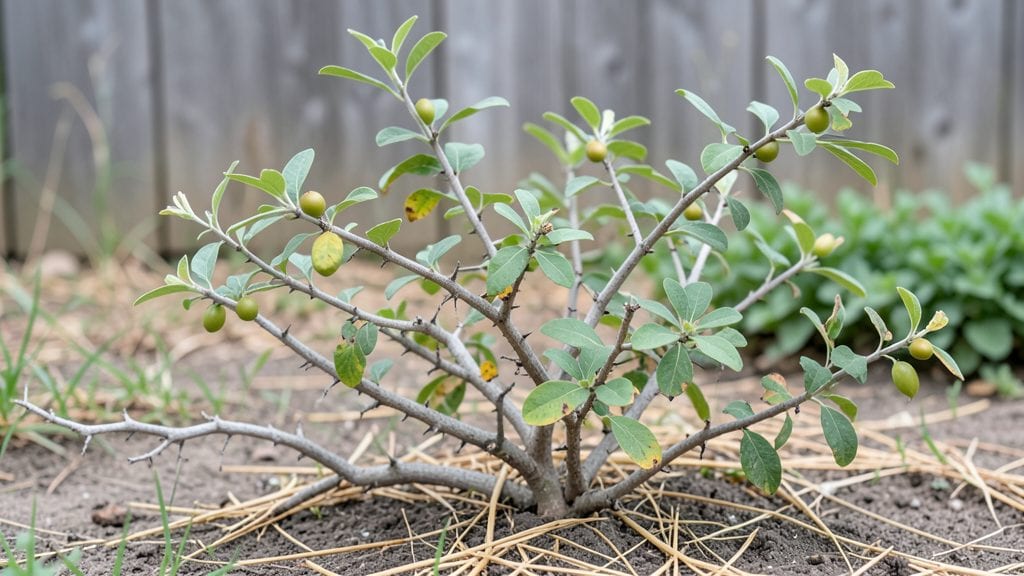
Growing goji wolfberry plants transforms your yard into a drought-resistant medicine cabinet. 🌿 I planted mine last spring, and now they’re thriving in poor soil where nothing else grows—plus, the berries taste like sweet, tart candy. The key is treating them like hardy shrubs, not delicate annuals.
These plants need full sun (6+ hours daily) and well-draining soil—even sandy or rocky ground works. In containers, use a 5-gallon pot with drainage holes, and mix in compost for extra nutrients.
Water deeply once a week after establishment; they’re tough enough to handle dry spells but hate soggy roots.
By late summer, you’ll harvest clusters of bright red-orange berries packed with antioxidants. Prune in early spring to shape the plant and encourage bushier growth. The berries dry easily for teas or snacks, and the plants keep producing for 10+ years with minimal care.
Perfect for hot climates (Zones 5-9) or container gardens in cooler areas. Here’s how to avoid common pitfalls like overwatering or pest issues—once you master these, you’ll have a perennial harvest with almost no effort.
📚 In This Guide
- What you need
- Instructions
- Tips and common mistakes
- Wrapping up and next steps
What you need
- ● Goji berry plants: 3–5 healthy nursery-grown plants (choose organic or disease-resistant varieties if possible).
- ● Well-draining soil: A mix of 60% native soil, 30% compost, and 10% perlite or coarse sand (pH 6.0–7.5).
- ● Sunlight: A full-sun location (6+ hours of direct sunlight daily).
- ● Watering can or drip irrigation: For deep, infrequent watering (1–2 gallons per plant, 2–3 times per week during dry spells).
- ● Organic mulch: Wood chips, straw, or shredded leaves (2–3 inches thick) to retain moisture and suppress weeds.
- ● Pruning shears: Sharp, sterilized shears for shaping and harvesting.
- ○ Support stakes or trellis: Optional for taller varieties (e.g., Lycium chinense) to train vines.
- ● Slow-release fertilizer: Balanced 10-10-10 or organic options like composted manure (apply in early spring).
- ● Drought-resistant companion plants: Lavender, rosemary, or thyme to enhance resilience.
- ● Row covers: For young plants to protect against pests or late frosts.
- ● pH test kit: To monitor soil acidity and adjust with lime or sulfur if needed.
Step-by-step instructions for planting and cultivating goji wolfberry plants
Here's how to establish thriving goji wolfberry plants that reward you with years of drought-resistant growth and medicinal harvests.
🌱 Step 1: Select and Prepare the Planting Site
Goji wolfberries demand full sun exposure—choose a location receiving at least 6-8 hours of direct sunlight daily. These plants tolerate poor soil but thrive best in well-draining, slightly alkaline soil with a pH between 7.0 and 8.0. If your soil is heavy clay, amend it with 2-3 inches of compost mixed into the top 12 inches of soil to improve drainage.
I like to test soil pH before planting using a simple kit—goji berries are sensitive to acidic conditions. If your soil tests below 6.5, add pelletized lime at a rate of 10 pounds per 100 square feet and mix it in thoroughly. Avoid planting in low-lying areas where cold air settles, as wolfberries are hardy only to USDA Zone 5, and frost damage can be fatal.
🪴 Step 2: Plant Bare-Root or Container-Grown Wolfberries
For bare-root plants, soak the roots in lukewarm water for 2-3 hours before planting to rehydrate them. Dig a hole twice as wide as the root ball but only as deep as the container’s root base—planting too deeply suffocates the stem. Gently spread the roots outward in the hole, ensuring they aren’t curled or bent.
If using container-grown plants, remove the pot and loosen any circling roots with your fingers. Place the plant in the hole so the top of the root ball sits level with the surrounding soil. Backfill with native soil, tamping lightly to eliminate air pockets. Water deeply immediately after planting to settle the soil and encourage root contact. You’ll know it’s right when water drains freely from the hole without pooling.
☀️ Step 3: Establish Watering and Mulching Routine
Goji wolfberries are exceptionally drought-tolerant once established, but young plants need consistent moisture for the first two growing seasons. Water deeply once per week, delivering 1-1.5 gallons per plant—this encourages deep root growth. You’ll see healthy establishment when leaves remain deep green and crisp, not wilting or yellowing.
Apply a 3-inch layer of mulch (like straw or wood chips) around each plant, keeping it 6 inches away from the stem. This conserves moisture, regulates soil temperature, and suppresses weeds. Avoid organic mulches like grass clippings—they can introduce pathogens. Replenish mulch annually in early spring to maintain coverage.
✂️ Step 4: Prune for Shape and Productivity
Prune wolfberries annually in late winter or early spring, before new growth begins. Remove dead, diseased, or crossing branches first—these compete for energy and invite pests. Then, thin the canopy by selectively cutting back older branches to improve airflow. I aim to keep the plant open and bushy, not dense, which prevents fungal issues.
Never prune more than one-third of the plant’s growth in a single year. You’ll notice new shoots emerging from the base—these are your fruit-bearing branches. Let them grow 2-3 feet long before trimming back to encourage bushier, more productive growth. Harvest begins in year 3, but pruning early sets the stage for heavier yields.
💧 Step 5: Monitor for Pests and Nutrient Needs
Wolfberries are pest-resistant, but watch for aphids or spider mites in hot, dry summers. If you spot clusters of tiny insects on new growth, spray with neem oil mixed at 1 tablespoon per gallon of water. Apply in early morning to avoid harming beneficial insects. Repeat every 7-10 days until pests clear.
Fertilize lightly in early spring with a balanced, slow-release fertilizer (10-10-10) at ½ the recommended rate. Wolfberries are low-maintenance—over-fertilizing leads to leafy growth at the expense of fruit. You’ll know they’re happy when branches are wooden and sturdy, not soft and sappy, and leaves are dark green with a waxy texture.
Tips & tricks for perfect goji wolfberry plant cultivation
Here's what I've learned from years of growing these resilient perennials—details that make all the difference between a struggling plant and a thriving medicinal powerhouse.
Sunlight Secret: While 6-8 hours of direct sunlight is the baseline, I've found that wolfberries actually perform best with morning sun exposure and partial afternoon shade in hotter climates. The intense afternoon sun can scorch leaves, especially during summer months. If your garden gets intense afternoon heat, consider providing light shade during peak hours—your plants will reward you with healthier growth and better fruit production.
Root Hydration Technique: That 2-3 hour soak for bare-root plants isn't just about rehydration—it's about preparing the roots for transplant shock. I like to add a few drops of seaweed extract to the soaking water (optional but helpful) as it contains natural growth hormones that help roots establish faster. After planting, I always water deeply again 48 hours later to ensure roots make full contact with the surrounding soil.
Mulching Mastery: The 3-inch mulch layer works wonders, but placement matters just as much as depth. I keep mulch 6 inches away from the stem to prevent moisture buildup that can cause rot. For extra protection during winter, I add an additional 2-inch layer of straw mulch in late fall, which insulates roots while still allowing airflow. This helps protect Zone 5 plants from winter dieback.
Pruning Precision: When pruning those 2-3 foot fruit-bearing branches, I look for natural branch angles between 45-60 degrees—these create the strongest framework. I also avoid cutting back to bare wood unless absolutely necessary, as the plant needs some leaf surface for photosynthesis. The key is to maintain that open, bushy shape while preserving as much leaf area as possible for energy production.
Pro Tips for Goji Wolfberry Plants
- Here's what I've learned from years of growing these resilient perennials—details that make all the difference between a struggling plant and a thriving medicinal powerhouse.
- Sunlight Secret: While 6-8 hours of direct sunlight is the baseline, I've found that wolfberries actually perform best with morning sun exposure and partial afternoon shade in hotter climates.
- Root Hydration Technique: That 2-3 hour soak for bare-root plants isn't just about rehydration—it's about preparing the roots for transplant shock.
Frequently asked questions
Got questions about growing goji wolfberry plants? You’re not alone! Here are answers to some of the most common queries—from beginners to seasoned gardeners.
How long does it take for goji wolfberries to bear fruit?
Patience is key! Goji wolfberry plants typically take 2–3 years to produce fruit after planting. In ideal conditions (full sun, well-draining soil, and consistent care), you may see berries as early as the second summer. Female plants are needed for fruiting—ensure you have at least one male plant for pollination if growing from seeds.
Are goji wolfberries cold-hardy? What’s their ideal climate?
These hardy plants thrive in USDA Zones 5–9, withstanding temperatures down to -15°F (-26°C). However, they prefer warm, dry climates and may struggle in soggy or humid conditions. In colder zones, plant in sheltered spots or use mulch to protect roots. Young plants are more vulnerable—wait until spring to plant in chilly regions.
How often should I water goji wolfberry plants?
Goji wolfberries are drought-tolerant once established, but young plants need regular watering. Water deeply 1–2 times per week during the first year, then reduce to every 2–3 weeks in mature plants (unless experiencing extreme heat). Overwatering is worse than underwatering—let soil dry out between waterings to prevent root rot.
Can I grow goji wolfberries in containers? What’s the best pot size?
Yes! Goji wolfberries adapt well to containers if given enough space. Use a minimum 15–20 gallon pot (24”+ diameter) with drainage holes. Ensure the pot has depth for root growth and fill it with a well-draining mix (like cactus/succulent soil). Place in full sun and fertilize lightly during the growing season. Containers dry out faster—monitor soil moisture closely.
What pests or diseases should I watch for with goji wolfberries?
While resilient, goji plants can face aphids, spider mites, or powdery mildew in humid conditions. Preventative care helps: Prune for airflow, avoid overhead watering, and inspect leaves regularly. For pests, spray with neem oil or introduce beneficial insects like ladybugs. Fungal issues? Improve drainage and reduce leaf wetness.
Are there any companion plants that pair well with goji wolfberries?
Goji wolfberries love companions like rosemary, thyme, or lavender (which repel pests), basil (improves flavor), or marigolds (deters nematodes). Avoid planting near competitive root systems like corn or potatoes. Their drought tolerance makes them great neighbors for succulents or Mediterranean herbs too!
Wrapping up and next steps
Growing goji wolfberry plants is a rewarding journey that combines resilience, beauty, and a touch of medicinal magic. These drought-tolerant perennials thrive with minimal fuss, offering years of harvests and companion-planting benefits.
Whether you're drawn to their health-boosting berries or their hardy nature, starting your goji adventure is easier than you think!
Ready to plant your first goji wolfberry?
- 🌱 Pick your spot: Sunlight and well-draining soil are your best friends.
- 🛒 Gather supplies: Check our materials guide for a hassle-free setup.
- 🌿 Plant and nurture: Follow our step-by-step instructions to ensure a thriving start.