
Plants
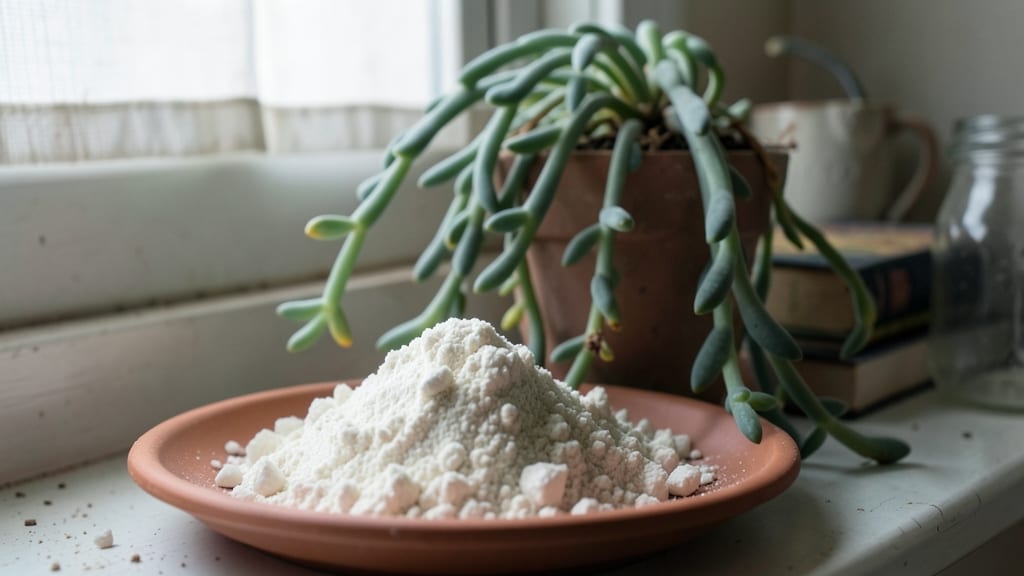
Using alum for plants lowers soil pH naturally, deters pests like slugs and aphids, and strengthens fungal resistance when applied as a diluted soil treatment or leaf spray. Always dilute properly to avoid harming sensitive plants.
Alum works because its aluminum sulfate compound reacts with soil minerals to release hydrogen ions, gently acidifying the environment without harsh chemicals. 🌱 This makes it especially useful for alkaline soils where phosphorus becomes locked up—alum helps unlock these nutrients for better plant uptake.
I’ve seen gardeners use it to revive struggling azaleas or blueberries, which thrive in acidic conditions. Just remember: a little goes a long way, and edible crops need careful monitoring since aluminum can accumulate over time.
For pest control, the key is timing. A 1 tablespoon per gallon solution sprayed on foliage creates a protective barrier that slugs and aphids avoid. The aluminum ions disrupt their feeding patterns, while the slight acidity discourages fungal spores from taking hold.
Store your alum mixture in a glass or plastic container away from moisture—it’s stable but loses effectiveness when diluted beyond 1% concentration.
💡 In This Article
- How Alum Adjusts Soil pH and Fertility
- Practical Alum Applications for Gardens and Pest Control
How alum adjusts soil pH and fertility
Alum works its soil magic through a chemical reaction called hydrolysis. When potassium aluminum sulfate dissolves in water, it releases aluminum ions (Al³⁺) and hydrogen ions (H⁺).
Those hydrogen ions are what lower the soil pH by displacing calcium and magnesium from soil particles - a process called cation exchange. This is different from sulfur amendments, which rely on oxidation to form sulfuric acid over time.
Alum delivers results faster, often within 2-4 weeks of application, making it ideal for emergency pH adjustments.
The aluminum component plays a dual role. First, it binds with phosphate ions in the soil, forming insoluble aluminum phosphate compounds that temporarily reduce phosphorus availability.
However, this actually benefits plants by preventing phosphorus runoff while making it more accessible to roots in acidic conditions. 🌱 In alkaline soils (pH 7.5+), where phosphorus becomes locked up as calcium phosphate, alum helps dissolve these compounds by creating a more acidic environment.
Compare this to vinegar (acetic acid), which only provides temporary pH changes and can harm soil microbes.
Long-term effects on fertility depend on application rates. A 1 pound per 100 square feet application can lower pH by 0.5-1.5 units in one season, but excessive use risks aluminum toxicity.
Most plants tolerate up to 50 ppm aluminum in soil solution, but sensitive crops like beans or potatoes may show signs of stress at 20 ppm.
The good news is that aluminum binds strongly to soil organic matter, so it won't leach away quickly - giving you lasting benefits without frequent reapplication.
What most gardeners don't realize is how alum affects soil microbes. While it can temporarily suppress harmful fungi through its acidic nature, it also supports beneficial mycorrhizal fungi that thrive in slightly acidic conditions (pH 5.5-6.5).
These fungi form symbiotic relationships with plant roots, enhancing nutrient uptake - particularly phosphorus and zinc. This dual effect explains why alum-treated soils often show improved plant vigor even when phosphorus levels appear unchanged in soil tests.
For comparison, sulfur takes 2-4 months to fully acidify soil through microbial oxidation, while vinegar provides only short-term pH changes (often 1-2 weeks). Alum's immediate effect comes from its direct chemical reaction with soil minerals, making it the most efficient option for quick pH adjustments.
However, the key is precision - overapplication can create aluminum saturation that plants can't utilize, leading to nutrient imbalances.
Here's what actually happens at the microscopic level: When alum dissolves, the aluminum ions replace calcium on clay particles through ion exchange. This not only lowers pH but also increases the soil's cation exchange capacity (CEC) by 5-10%, giving plant roots more surface area to absorb nutrients.
The potassium released also provides a minor fertilizer benefit, though it's not the primary reason gardeners use alum.
The science behind alum's effectiveness lies in its ability to create a buffered acidic environment rather than just a temporary pH drop. This means plants get consistent access to nutrients like iron and manganese that become more available in acidic conditions.
For example, blueberry bushes often show dramatic growth improvements after alum treatment because they need pH 4.5-5.5 to access sufficient iron - something sulfur alone can't provide as effectively. 💫