
Companion Plants
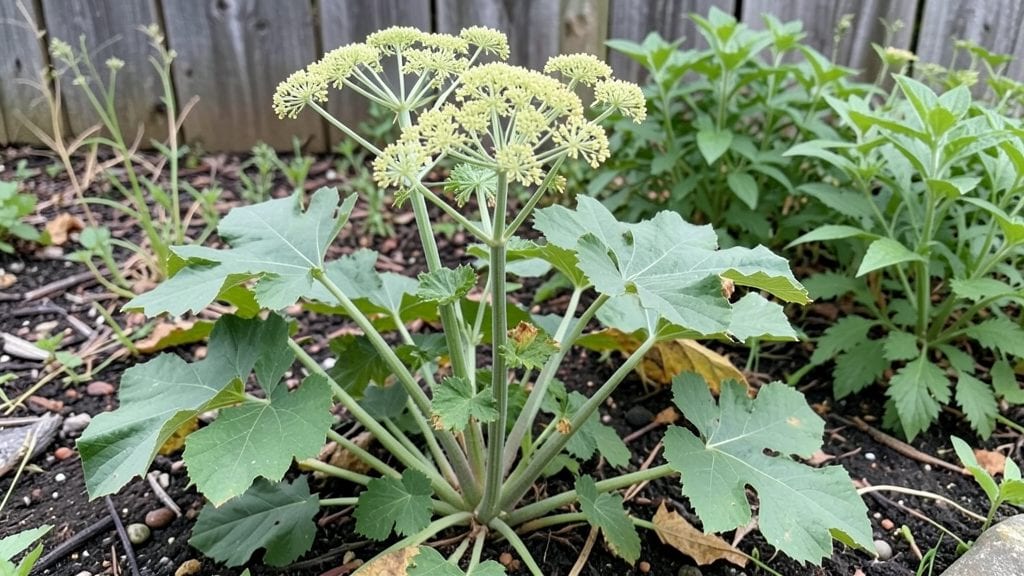
Growing garden lovage plants is like adding a superstar to your shade garden—it thrives where others falter while giving you edible leaves, stems, and roots. ✨ I planted mine last spring in a damp corner where nothing else would grow, and now it towers over my hostas with glossy, celery-like foliage that smells amazing when crushed.
This hardy perennial handles partial shade like a champ, making it perfect for under trees or along north-facing walls. The soil can be rich but doesn’t need to be perfect—just consistently moist and well-draining.
Watering’s easy once established: a deep soak every 1-2 weeks keeps it happy, though it tolerates drought better than most shade plants.
You’ll harvest fresh lovage leaves for soups and salads within months, and the roots make a licorice-like candy that’s a fun treat. The plant multiplies underground, so you’ll soon have clumps to share with neighbors. It’s the kind of plant that rewards patience with both beauty and flavor.
Best of all, it’s pest-resistant and rarely needs pruning—just cut back any leggy stems in early spring. Whether you’re growing it for the kitchen or the garden, lovage proves that shade areas can be just as productive as sunny spots. Let’s get yours planted!
📚 In This Guide
- What you need
- Instructions
- Tips and common mistakes
- Wrapping up and next steps
What you need
- ● Lovage seeds or young plants: 3–5 plants (or 1–2 lbs of seeds) for a small garden. Start indoors 8–10 weeks before the last frost if growing from seed.
- ● Well-draining soil: A mix of loamy soil with a pH of 6.0–7.5. Amend heavy clay with compost or sand.
- ● Sunlight: Partial to full shade (2–6 hours of sunlight daily). Tolerates dappled shade under trees.
- ● Watering can or hose: For consistent moisture (lovage prefers evenly damp soil but hates soggy roots).
- ○ Mulch (optional but recommended): 2–3 inches of organic mulch (straw, wood chips, or shredded leaves) to retain moisture and suppress weeds.
- ● Garden trowel or spade: For digging holes (6–8 inches deep and wide for each plant).
- ● Pruning shears: For trimming dead foliage or harvesting stems.
- ● Gloves (recommended): Lovage has sap that can irritate skin—opt for gardening gloves if you’re sensitive.
- ○ Compost or balanced fertilizer (5-10-5): 1–2 cups per plant in early spring (optional for nutrient-rich soil).
- ○ Stakes or trellis (optional): If growing in a windy area, lovage can reach 4–5 feet tall and may need support.
- ● 🌡️ Timing: Plant in early spring or fall (avoid extreme heat). Lovage is cold-hardy (USDA zones 3–9).
- ● ✨ Spacing: Give plants 2–3 feet of space—they spread via rhizomes!
- ● 🔥 Patience: Seeds can take 2–3 weeks to germinate. Young plants grow slowly but thrive long-term.
Step-by-Step guide to planting and caring for garden lovage
This hardy perennial thrives in shade and rewards you with bold foliage and culinary versatility.
🌱 Step 1: Choose the Perfect Planting Location
Garden lovage loves shade to partial shade, making it perfect for under trees or along north-facing walls. Pick a spot with at least 4 hours of indirect light daily—more shade is fine, but too little light weakens growth. The soil should drain well but retain moisture, so avoid soggy areas where roots rot.
I always test drainage first by digging a 6-inch deep hole and filling it with water. If it drains within an hour, the spot’s ready. Lovage tolerates a range of soil types but grows best in rich, loamy soil with a slightly alkaline pH. Amend heavy clay by mixing in 2-3 inches of compost before planting.
🪴 Step 2: Plant Bare-Root or Container-Grown Lovage
For bare-root plants, soak the roots in lukewarm water for 1 hour before planting to encourage root growth. Dig a hole twice as wide and just as deep as the root ball. Gently place the plant in the hole, spreading roots outward naturally—don’t force them downward.
If using container-grown lovage, remove the plant carefully, keeping the root ball intact to avoid disturbing new growth. Backfill the hole with soil, pressing lightly around the edges to eliminate air pockets. Leave a 1-inch gap between the soil surface and the plant’s base—this prevents rot when watering.
💧 Step 3: Water Deeply and Mulch for Retention
Water the newly planted lovage deeply right after planting to settle the soil and encourage root establishment. Aim for 1 gallon of water per plant, letting it soak into the ground rather than pooling on top. Overwatering now can suffocate roots, so let the top 2 inches of soil dry slightly between waterings.
Spread a 2-inch layer of organic mulch (like shredded bark or straw) around the base, keeping it 3 inches away from the stem to prevent rot. Mulch locks in moisture, regulates soil temperature, and suppresses weeds—critical for lovage’s slow but steady growth. Replenish mulch annually as it breaks down.
☀️ Step 4: Fertilize and Monitor Growth
Lovage isn’t a heavy feeder, but a light application of balanced organic fertilizer (10-10-10) in early spring jumpstarts growth. Scatter granules around the drip line (the edge of the plant’s canopy) and water deeply to activate them. Avoid high-nitrogen fertilizers—they promote leafy growth at the expense of the plant’s robust root system.
Watch for new leaves emerging in 4-6 weeks, signaling healthy establishment. Lovage grows 3-5 feet tall with a similar spread, so give it space. If you notice yellowing leaves, it’s often a sign of overwatering or poor drainage—adjust your watering schedule immediately.
✂️ Step 5: Prune and Harvest for Culinary Use
Prune lovage in early spring to remove dead or damaged stems, cutting them back to 6 inches above the ground. This encourages fresh, vigorous growth. You can also harvest leaves and stems as needed—just snip 1/3 of the plant’s height to maintain its shape. The stems are best for cooking when 1/4-inch thick.
Leave at least 1/3 of the plant unharvested each season to ensure it continues growing. Lovage’s roots are edible too—dig up a small section in fall if you want to try them. With proper care, your lovage will thrive for 10+ years, making it a true perennial workhorse.
Tips & tricks for perfect garden lovage care
These game-changing tips will help you grow lush, thriving lovage that comes back year after year with minimal effort.
Soil Prep Secret: The 6-inch deep drainage test in Step 1 is non-negotiable—lovage hates soggy feet! If your soil drains slowly, mix in a 50/50 blend of native soil and coarse sand to improve drainage without sacrificing moisture retention. For heavy clay, add 2-3 inches of compost as instructed, but also consider spreading a 1-inch layer of gravel at the bottom of the planting hole for extra drainage insurance.
Root Revival Technique: That 1-hour lukewarm water soak in Step 2 works wonders for bare-root plants, but here's a pro move: add 1 tablespoon of seaweed extract to the water for an extra boost of root growth hormones. This helps stressed roots recover faster and establishes stronger root systems right from the start.
Mulch Layer Strategy: The 2-inch mulch layer in Step 3 is perfect, but don't stop there! Refresh your mulch every 6-8 weeks during the growing season to maintain its effectiveness. I like to alternate between shredded bark and straw—bark insulates better in winter while straw prevents weeds more aggressively in summer.
Pruning Payoff: When you prune back to 6 inches in Step 5, you're not just tidying up—you're encouraging bushier growth. Cut just above a leaf node (the bump where leaves attach) to stimulate new side shoots. And here's the bonus: those pruned stems make fantastic culinary additions when used within 24 hours of cutting.
Pro Tips for Garden Lovage Plants
- These game-changing tips will help you grow lush, thriving lovage that comes back year after year with minimal effort.
- Soil Prep Secret: The 6-inch deep drainage test in Step 1 is non-negotiable—lovage hates soggy feet!
- Root Revival Technique: That 1-hour lukewarm water soak in Step 2 works wonders for bare-root plants, but here's a pro move: add 1 tablespoon of seaweed extract to the water for an extra boost of root growth hormones.
Frequently asked questions
Can lovage grow in full shade?
Lovage is tolerant of shade but thrives best in partial shade (4–6 hours of sunlight daily). In deep shade, it may grow leggy or produce fewer leaves. If your garden is shady, choose a spot near a window or under dappled light for optimal growth. Pro tip: Mulch well to retain moisture if shade limits sunlight.
How long does it take for lovage to mature?
Lovage is a slow starter but rewarding in the long run! From seed, expect 60–90 days to harvest young leaves, while full maturity (for roots and stems) takes 2–3 years. Once established, it spreads via rhizomes, making it a perennial workhorse that comes back stronger each year.
What parts of lovage are edible, and how do I use them?
Every part is edible! Leaves taste like celery and work in soups or salads; stems are crunchy like celery stalks (great in stir-fries); and roots (harvested in fall) can be roasted like parsnips. Warning: All parts are mildly toxic in large quantities—use moderation, especially with roots. Nutrition bonus: Rich in vitamins A, C, and calcium!
Why are my lovage leaves turning yellow?
Yellowing leaves usually signal overwatering, poor drainage, or nutrient deficiency. Check soil moisture—lovage prefers consistently moist but not soggy soil. Amend heavy clay with compost and ensure pots/containers have drainage holes. Yellow edges? Likely underwatering or salt buildup (flush soil with water).
Can I grow lovage in containers?
Lovage adapts well to large containers (at least 12–18 inches deep) with drainage. Use a well-draining potting mix and place in a sunny spot. Watch for: Roots can outgrow pots quickly—repot every 2–3 years or divide rhizomes to keep plants healthy. Pro tip: Add a layer of gravel at the bottom to prevent root rot.
Does lovage survive winter?
Yes! Lovage is a hardy perennial (USDA zones 3–9) and returns year after year. In cold climates, mulch heavily with straw or leaves to protect roots. Evergreen leaves may brown but regrow in spring. No pruning needed—just snip as you cook!
Wrapping up and next steps
Growing garden lovage is a rewarding journey—whether you’re drawn to its hardy, shade-loving nature or its versatility in the kitchen. This perennial brings both beauty and flavor to your garden, thriving with minimal fuss while offering a bounty of culinary and medicinal benefits.
Now that you’re equipped with the know-how, why not plant one (or a few!) this season?
Ready to dive in? Start by selecting a spot in your garden where lovage can flourish—whether it’s a shady corner or a companion planting zone. Then, share your harvest with friends or experiment with new recipes! 🌱✨