
Companion Plants
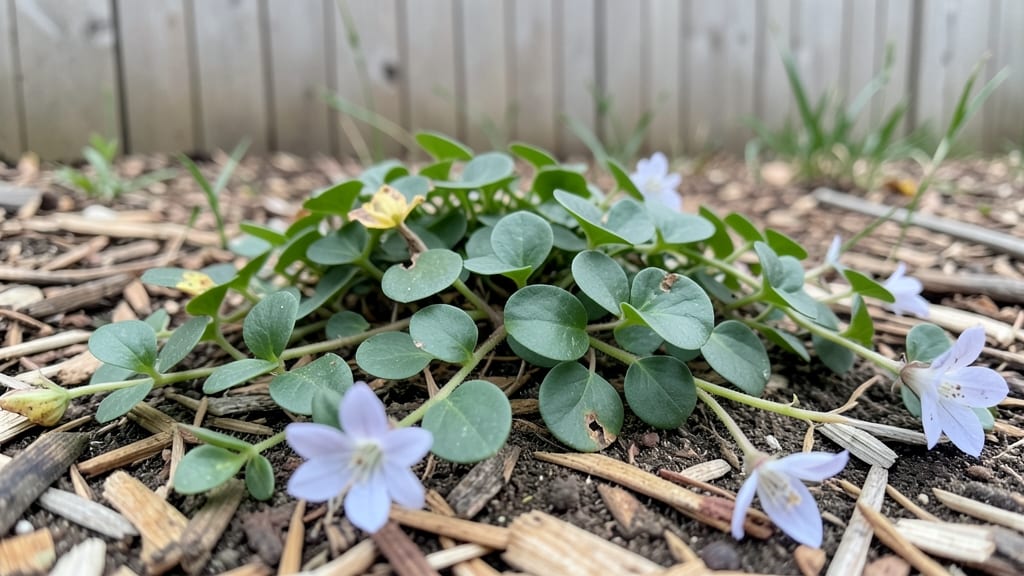
Vinca minor plants spread like a lush, evergreen carpet under trees where nothing else grows. 🌿 I’ve watched mine fill in bare spots year after year, outcompeting weeds and staying vibrant through winter—no matter how much shade your yard has.
The key is getting the spacing right from the start: too close, and you’ll smother the plants; too far apart, and weeds move in.
This shade-loving ground cover thrives in almost any soil but prefers well-draining conditions—even heavy clay works if you mix in compost. Plant in early spring or fall when roots establish before summer heat or winter freeze.
A 12-inch spacing gives mature plants room to spread without crowding, and within two years, you’ll have a dense, weed-blocking mat.
Once established, vinca minor needs almost no care—just occasional trimming to keep it tidy. The glossy, dark green leaves stay attractive all winter, and in spring, tiny purple flowers add delicate color.
Pair it with hostas, ferns, or heucheras for a layered, low-maintenance woodland garden that stays green when everything else fades.
For beginners, the biggest mistake is overwatering—these plants hate soggy roots. Mulch lightly to retain moisture without suffocating the soil, and you’ll have a foolproof ground cover that outlasts trendy annuals. Ready to transform that shady corner into a year-round green oasis?
📚 In This Guide
- What you need
- Instructions
- Tips and common mistakes
- Wrapping up and next steps
What you need
- ● Vinca minor plants: 3–5 nursery-grown plants per 10 sq. ft. (or 1–2 plants per sq. ft. for denser coverage). Choose healthy specimens with vibrant green leaves.
- ● Well-draining potting mix: 5–10 gallons, depending on container size (for potted Vinca) or amended garden soil (for in-ground planting). Mix in compost (1 part compost to 3 parts soil) for nutrients.
- ● Mulch: 2–3 inches of shredded bark or pine straw to retain moisture and suppress weeds.
- ● Garden trowel or transplant spade (for digging holes 6–12 inches deep).
- ● Gloves (to protect hands from soil and prickly stems).
- ● Watering can or hose with a gentle spray nozzle (Vinca hates soggy roots!).
- ● Pruning shears (for shaping and maintaining plants; sterilize with rubbing alcohol before use).
- ● Slow-release fertilizer (e.g., 10-10-10, applied once in early spring).
- ● Epsom salt (1 tbsp dissolved in 1 gallon of water, sprayed monthly for magnesium boosts).
- ● Plant markers (to label varieties if mixing types).
- ● Shade cloth (for seedlings if planting in hot, bright shade).
How to plant and establish vinca minor for a lush shade garden
This hardy evergreen spreads effortlessly under trees where most plants struggle.
🌱 Step 1: Choose the Right Planting Time and Location
Vinca minor thrives when planted in early spring or early fall—these cooler periods give roots time to establish before summer heat or winter freeze. Look for a spot with partial to full shade (2-6 hours of sunlight daily), where other plants might wilt. The ideal location is under deciduous trees or along north-facing foundations.
I always test the soil first by digging a 6-inch hole—if the dirt stays clumped in your hand, it's too dense. Vinca prefers well-draining soil with a slightly acidic to neutral pH (6.0-7.0). If your soil is heavy clay, mix in 2 inches of compost from the materials list to improve drainage and fertility.
🪴 Step 2: Prepare the Soil and Plant Spacing
For 4 plants, dig 4 holes spaced 12-18 inches apart—this gives vinca room to spread naturally without competing for nutrients. Each hole should be twice as wide as the root ball but only as deep as the container the plant came in. Loosen the sides of the hole with your hands or a trowel to encourage root penetration.
Gently remove the vinca from its container and tease apart any circling roots. Place the plant in the hole so the top of the root ball sits level with the surrounding soil—burying too deep suffocates the plant, while planting too high leaves roots exposed. Backfill with the original soil, patting lightly to eliminate air pockets.
💧 Step 3: Water Thoroughly and Mulch for Retention
After planting, water deeply until moisture reaches 4-6 inches down—you’ll know it’s enough when water pools on the surface for a few seconds. Vinca minor is drought-tolerant once established, but young plants need consistent moisture. I water every 2-3 days until new growth appears, then taper to once a week during dry spells.
Spread the 3 inches of mulch evenly over the soil, keeping it 2 inches away from plant stems to prevent rot. Organic mulch like shredded bark or pine needles (from the materials list) helps retain moisture, regulates soil temperature, and suppresses weeds. Replenish mulch annually to maintain its protective layer.
☀️ Step 4: Maintain Through the First Growing Season
Vinca minor is low-maintenance, but the first year is critical. Fertilize lightly in early spring with a balanced 10-10-10 fertilizer (use 1 tablespoon per plant) to encourage root and foliage growth. Avoid heavy-handed feeding—too much nitrogen promotes leafy growth at the expense of hardiness.
Watch for yellowing leaves, which usually means overwatering or poor drainage. If the soil stays soggy for more than a day, vinca will develop root rot. On the other hand, wilted or crispy edges signal underwatering. Once established, vinca tolerates dry spells beautifully, but young plants need consistent care.
✂️ Step 5: Encourage Spread and Prune as Needed
Vinca minor spreads via underground runners, creating a dense, weed-smothering mat. To encourage this, avoid disturbing the soil—digging disrupts the runners. If growth gets too aggressive, trim back 1/3 of the foliage in early spring to maintain shape and air circulation. Use clean, sharp pruners to make cuts just above a leaf node.
Deadhead spent flowers in late spring to redirect energy into foliage growth rather than seed production. This keeps the plant looking tidy and prevents self-seeding, which can become invasive. I also remove any bare patches by transplanting small sections to fill gaps—vinca’s adaptability makes it easy to propagate this way.
Tips & tricks for perfect vinca minor establishment
These simple strategies will help you create a thriving vinca ground cover that outshines other shade plants.
Soil Prep Secret: In Step 1, when testing your soil's drainage, don't just check clumping—also do a simple squeeze test. If the soil stays compacted even after pressing, you definitely need that 2 inches of compost to improve aeration. I've found that vinca struggles in compacted soil because its roots need room to spread those underground runners we want for that dense mat. For extra insurance, mix in some perlite or coarse sand if your native soil is particularly heavy.
Planting Depth Matters: During Step 2, this level-planting rule is critical—burying too deep suffocates the plant while planting too high leaves roots exposed. Here's my trick: After placing the plant in the hole, gently press the surrounding soil to create a slight mound around the base. This helps maintain proper depth even as the soil settles slightly after watering. The top of the root ball should be just below soil level, not above it.
Watering Wisdom: That initial deep watering in Step 3 needs to be thorough—aim for moisture reaching 4-6 inches down. I use a screwdriver to check moisture levels after watering. If it comes out dry, water again. The key is getting those roots established deep enough to reach the vinca's natural drought tolerance. Once established, you'll notice the plants handle dry spells beautifully, but young plants need that consistent moisture to take root.
Mulch Application Tip: When spreading that 3 inches of mulch in Step 3, create a slight depression around each plant stem to prevent water from pooling against the base. This simple technique prevents rot while still maintaining moisture retention. I also like to leave a 1-inch gap between mulch and stems—just enough to allow air circulation. Organic mulches like shredded bark work best because they break down slowly, maintaining their protective layer.
Pro Tips for Vinca Minor Plants
- These simple strategies will help you create a thriving vinca ground cover that outshines other shade plants.
- Soil Prep Secret: In Step 1, when testing your soil's drainage, don't just check clumping—also do a simple squeeze test.
- Planting Depth Matters: During Step 2, this level-planting rule is critical—burying too deep suffocates the plant while planting too high leaves roots exposed.
Frequently asked questions
Is Vinca minor invasive?
Vinca minor can spread aggressively in ideal conditions (moist, shady spots), but it’s not classified as invasive everywhere. Check your local regulations—some states list it as a noxious weed. To control it, prune back runners in early spring or use a barrier like landscape fabric if needed. Pro tip: Plant in contained areas or pair it with slower-spreading companions like Hellebores or Ferns to keep it in check!
How long does it take for Vinca minor to establish?
Patience pays off! Vinca minor typically takes 1–2 years to fully establish and fill in a garden bed. In the first year, expect sparse growth—focus on keeping the soil moist and mulching to encourage root development. Once established, it spreads via underground runners and forms a dense, weed-suppressing mat. Pro tip: Divide clumps every 3–4 years to rejuvenate growth and prevent thinning.
Can Vinca minor handle dry shade?
While it thrives in moist, shady spots, Vinca minor is drought-tolerant once established. Young plants need consistent moisture, but mature ground covers can survive brief dry spells. For best results, water deeply during the first growing season, then reduce frequency. Pro tip: Amend soil with compost to improve water retention, especially in hot climates.
Is Vinca minor toxic to pets or humans?
Yes, Vinca minor is toxic to pets and humans if ingested, thanks to its alkaloid content. Symptoms in pets (or kids) may include vomiting, diarrhea, or lethargy. Keep it out of reach of curious paws or tiny hands. Pro tip: Opt for pet-safe alternatives like Sweet Woodruff (Galium odoratum) or Lungwort (Pulmonaria) if you have furry family members.
What’s the best time to prune Vinca minor?
Prune in early spring (March–April) to remove dead or leggy stems and encourage fresh growth. Avoid heavy pruning in fall—it can stress the plant before winter. Pro tip: Shear lightly after flowering (late spring) to maintain shape, but don’t cut into woody stems. For a neat look, trim with clean, sharp shears and rake up debris to prevent disease.
Are there non-toxic alternatives to Vinca minor?
If toxicity is a concern, try these shade-tolerant, pet-friendly ground covers:
- Sweet Woodruff (Galium odoratum) – Fragrant, spreads gently, loves shade.
- Lungwort (Pulmonaria) – Unique spotted foliage, great for pollinators.
- Creeping Phlox (Phlox subulata) – Spring blooms, drought-tolerant.
- Alum Root (Heuchera) – Stunning foliage, slow-spreading.
Wrapping up and next steps
Vinca minor plants are a fantastic choice for adding year-round greenery to shady spots in your garden—whether you're a seasoned gardener or just starting out! 🌿 With their low-maintenance nature, resilience, and stunning foliage, they’re perfect for transforming dull corners into lush, vibrant spaces.
Ready to give your garden a fresh, evergreen upgrade?
Your next step? Pick a spot, gather your supplies, and plant with confidence! Start small, experiment with varieties, and watch your shade garden thrive. Happy gardening! 🌱