
Size
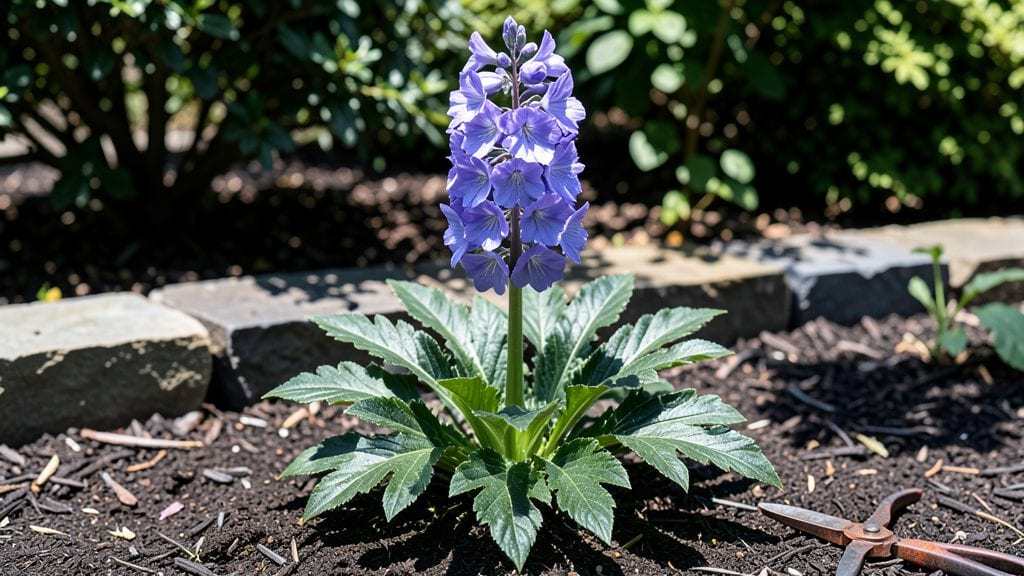
Three years from a bare spot to a lush privacy screen—tall garden plants deliver faster than you'd expect. 🌿 I planted bamboo and arborvitae last spring, and by now, they've blocked the neighbor's view completely while adding value to our yard.
The key is choosing plants that grow tall and fill out quickly without needing constant pruning.
Fast growers like bamboo and willow can reach 12–15 feet in just three years, while evergreens like arborvitae or leyland cypress grow steadily at 3–5 feet per year. Most need full sun for best results, though some shade-tolerant options exist for tricky spots.
The real secret? Planting in groups of three or more creates an instant screen effect, even when young.
By year three, you'll have a dense, wind-resistant barrier that cuts noise and adds privacy. The foliage stays lush year-round, and some varieties even attract birds or butterflies. Best of all, once established, these plants require minimal upkeep—just occasional trimming to keep them shaped.
Works for fences, property lines, or even backyard corners. The right plant transforms an open space into a cozy retreat in record time. Let's pick the perfect fit for your yard's needs!
📚 In This Guide
- What you need
- Instructions
- Tips and common mistakes
- Wrapping up and next steps
What you need
- ● Tall plants (3+ years to maturity): 5–10 Bamboo (e.g., Phyllostachys species) – Fast-growing, dense, and hardy.
- ● 3–5 Arborvitae (e.g., Thuja occidentalis) – Evergreen, low-maintenance, and pest-resistant.
- ● 3–5 Hornbeam (e.g., Carpinus betulus) – Deciduous but sturdy, great for year-round structure.
- ● 2–4 Privet Hedges (e.g., Ligustrum species) – Dense foliage, ideal for tight spaces.
- ● Soil amendments: 5–10 lbs of compost or well-rotted manure per planting hole.
- ● 1–2 lbs of balanced fertilizer (10-10-10 or similar) per plant.
- ● Mulch: 2–3 inches of wood chips or straw per planting area.
- ● Watering supplies: Hose with adjustable nozzle or drip irrigation system.
- ● 5-gallon watering can (for seedlings).
- ● Digging tools: 1 shovel (for planting holes).
- ● 1 garden trowel (for delicate root work).
- ● Measuring & marking: Measuring tape (to space plants 3–6 feet apart).
- ● Stakes and twine (to outline your privacy screen layout).
- ● Pruning tools: 1 pair of pruning shears (for shaping).
- ○ 1 hedge trimmer (optional, for larger screens).
- ● Safety gear: Gloves (gardening or work gloves).
- ● Knee pads (for comfort during planting).
- ● Plant supports (e.g., bamboo stakes for young plants).
- ● Soil pH test kit (to ensure optimal growing conditions).
- ● Erosion control fabric (for sloped or sandy areas).
- ● Decorative edging (to define the border of your screen).
- ● Slow-release fertilizer tablets (for long-term nourishment).
How to design a stunning tall privacy screen in 3 years
Here’s how to create a lush, living privacy barrier that grows fast and stays beautiful.
🌱 Step 1: Choose Fast-Growing, Privacy-Friendly Plants
For a 3-year privacy screen, focus on plants that grow 6-10 feet tall and thrive in your climate. Arborvitae, bamboo, and evergreen shrubs like Emerald Green Arborvitae or Leyland Cypress are top picks—they grow 3-5 feet per year and stay dense. If you prefer flowers, Clematis or Honeysuckle vines climb trellises quickly, adding fragrance and color.
I always check the mature height and spread to avoid overcrowding. A 4-foot spacing between plants ensures they fill in fast without competing for sunlight. For a 4-plant screen, stick to 4-6 foot tall varieties—they’ll create a solid barrier within 2-3 years without requiring constant pruning.
☀️ Step 2: Pick the Perfect Location for Sunlight and Soil
Most tall privacy plants love full sun (6+ hours daily), but a few—like Bamboo—tolerate partial shade. Test your spot by observing sunlight patterns for a week. If your yard has morning sun and afternoon shade, opt for Arborvitae or Holly bushes, which handle mixed light better.
Soil matters too! Tall plants need well-draining, slightly acidic soil (pH 5.0-7.0). If your soil is heavy clay, mix in 2-3 inches of compost before planting. I always dig a 12-inch hole for each plant—twice as wide as the root ball—to encourage root spread. Amend the native soil with organic matter to improve drainage and fertility.
🪴 Step 3: Plant Deeply and Space for Future Growth
Dig holes twice as wide as the root ball but only as deep—planting too deep can suffocate roots. Gently loosen the roots if they’re circling the container, then place the plant in the hole. Fill around it with native soil mixed with compost, tamping lightly to remove air pockets. Water deeply to settle the soil and eliminate gaps.
Space plants 4-6 feet apart for a 4-plant screen—closer spacing speeds up the privacy effect. If using fast-growing vines like Clematis, install a 6-foot trellis behind each plant to guide their upward growth. Mulch with 2-3 inches of shredded bark to retain moisture and suppress weeds, but keep mulch 6 inches away from stems to prevent rot.
✂️ Step 4: Water Deeply and Prune for Shape Early
Water deeply 2-3 times per week for the first 6 months—tall plants need 1-2 gallons per plant each time. Let the top 2 inches of soil dry out between waterings to prevent soggy roots. After the first year, reduce watering to once a week unless your area experiences extended dry spells. Drip irrigation works best for even moisture.
Prune once in late spring to shape plants and encourage bushiness. Cut back overly leggy branches by one-third to stimulate new growth. For Arborvitae, I trim the outer tips to create a tapered, natural look—this prevents a "Christmas tree" shape and keeps the center dense. Avoid heavy pruning in the first year; focus on light shaping to establish structure.
🌿 Step 5: Fertilize and Protect for Long-Term Growth
Feed plants once in early spring with a balanced, slow-release fertilizer (10-10-10). Sprinkle ½ cup per plant around the root zone, then water deeply to activate the granules. Avoid high-nitrogen fertilizers—they encourage leafy growth at the expense of height. Instead, use a low-nitrogen, high-phosphorus blend to boost root development.
Watch for pests like spider mites or bagworms, which love young, fast-growing plants. I spray neem oil preventatively in early summer—it’s organic, safe, and deters pests before they take hold. If deer or rabbits are a problem, wrap young plants in wire mesh until they reach 4 feet tall. A 3-year privacy screen is worth the extra protection!
Tips & tricks for perfect tall garden privacy screens
Creating a stunning 3-year privacy screen is easier than you think—these pro tips will help you avoid common pitfalls and get the most out of your fast-growing plants!
Plant Selection Insight: When choosing between Arborvitae, Leyland Cypress, or flowering vines like Clematis, consider your climate first. I live in Zone 6 and found Emerald Green Arborvitae grows a steady 4 feet per year, while Honeysuckle vines need trellises but add incredible fragrance. For a 4-plant screen, I always opt for 4-6 foot varieties—they fill in beautifully within 2-3 years without requiring constant pruning.
Soil Preparation Secret: The 12-inch hole you dig for each plant isn't just about space—it's about creating room for roots to spread outward. I always mix in 2-3 inches of compost with the native soil to improve drainage, especially if you have heavy clay. This simple step prevents root suffocation and helps plants establish faster. Think of it as giving your plants a cozy, airy bedroom to grow in!
Watering Strategy: Those first 6 months are critical! Watering deeply 2-3 times per week with 1-2 gallons per plant might seem excessive, but it's what gets your plants through their most vulnerable stage. I use drip irrigation for even moisture distribution—it's worth the investment. The key is letting the top 2 inches of soil dry out between waterings to prevent soggy roots while keeping the root zone consistently moist.
Pruning Pro Tip: That late spring pruning isn't just about shaping—it's about encouraging bushiness. When you trim back overly leggy branches by one-third, you're actually stimulating new growth. For Arborvitae, I focus on trimming the outer tips to create that beautiful tapered look. And here's a secret: avoid heavy pruning in the first year—light shaping is all you need to establish the right structure.
Pro Tips for Tall Garden Plants
- Creating a stunning 3-year privacy screen is easier than you think—these pro tips will help you avoid common pitfalls and get the most out of your fast-growing plants!
- Plant Selection Insight: When choosing between Arborvitae, Leyland Cypress, or flowering vines like Clematis, consider your climate first.
- Soil Preparation Secret: The 12-inch hole you dig for each plant isn't just about space—it's about creating room for roots to spread outward.
Frequently asked questions
Got questions about tall garden plants?
You’re not alone! Here are some of the most common queries—and straightforward answers—to help you plan your privacy screen like a pro.
How close can I plant tall garden plants to my fence or house?
Give your tall plants at least 3–5 feet of space from structures like fences or walls to avoid root competition and allow airflow. For fast-growing varieties (like bamboo or arborvitae), aim for 6+ feet—this prevents overcrowding and makes maintenance easier. Always check the plant’s specific spacing needs on the tag!
Will these plants really reach full height in just 3 years?
Many tall garden plants—such as arborvitae, bamboo, or sunflowers—can hit their mature height in 3 years with proper care. However, growth rates vary: evergreens (like arborvitae) grow steadily, while annuals (like sunflowers) shoot up fast but die back yearly. Tip: Choose native or hybrid varieties labeled as "fast-growing" for quicker results!
How much water do tall garden plants need?
Newly planted tall garden plants need 1–1.5 inches of water per week (including rainfall). Deep watering 2–3 times per week for the first month encourages strong root growth. Once established, most tall plants tolerate drought better—but mulch heavily to retain moisture and reduce weeds. Overwatering is riskier than underwatering!
What’s a good alternative if I don’t want a living privacy screen?
If tall plants aren’t your style, consider fast-growing vines on trellises (like wisteria or clematis), privacy fences (wood, vinyl, or lattice), or ornamental grasses (e.g., pampas grass). For a mix of greenery and structure, try ornamental trees like leucadendron or podocarpus—they’re low-maintenance and add texture!
Why are my tall plants wilting or turning yellow?
Yellowing leaves or wilting often signal overwatering, underwatering, or pests. Check the soil—it should be moist but not soggy. Common culprits:
- Root rot (from poor drainage)
- Spider mites or aphids (tiny webs or sticky residue)
- Nutrient deficiency (pale leaves? Try a balanced fertilizer)
Trim affected areas, adjust watering, and inspect for pests. Most tall plants bounce back with a little TLC!
Wrapping up and next steps
Transforming your outdoor space with tall garden plants is easier than you think—especially when you choose fast-growing, low-maintenance varieties that deliver privacy in just three years! 🌿 Whether you’re blocking noise, shielding neighbors, or adding natural beauty, the right plants can make a world of difference.
Now that you’re armed with the best options, materials, and tips, it’s time to roll up your sleeves and get planting.
Start small—pick one or two plants to test, then expand as you see what thrives in your space. Before you know it, you’ll have a lush, living privacy screen that’s both functional and stunning. Happy gardening! 🌱