
Companion Plants
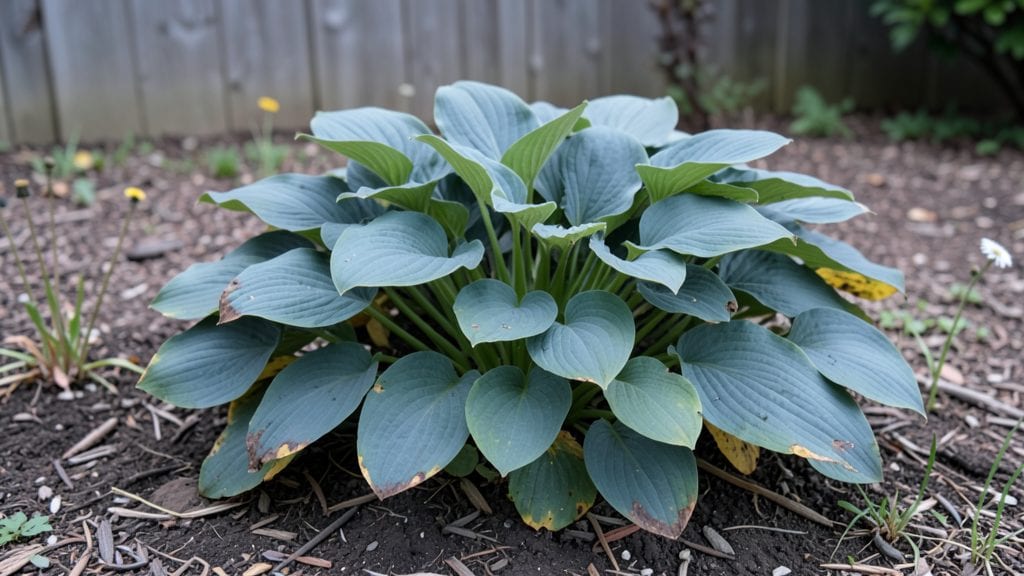
Your front garden plants should do more than just look pretty—they should fill your air with fragrance while turning your yard into a pollinator paradise. 🌿 I’ve designed front gardens that bloom from spring through frost, using perennials that thrive with minimal fuss and pack a sensory punch.
The key? Choosing plants that love your light conditions and soil, then arranging them so each season brings something new—whether it’s the sweet scent of peonies in May or the buzz of bees around lavender in August.
Start with a mix of sun-lovers like Russian sage and shade-tolerant plants such as astilbe. These perennials handle drought once established and come back stronger every year, so you’re not stuck replanting annually.
For fragrance, add clematis or garden phlox near walkways—your guests will notice before they even see the blooms. The best part? These plants attract butterflies, hummingbirds, and bees, turning your front yard into a thriving ecosystem that’s as functional as it is beautiful.
By late summer, your garden will be a riot of color and texture, with foliage that stays lush even when flowers fade. The scent of evening primrose at dusk or the bright blooms of coneflowers in full sun create a show that lasts all season.
You’ll spend less time weeding and more time enjoying the results—a garden that feels like a welcome mat for both neighbors and wildlife.
This approach works in any climate, from hot southern summers to cool northern springs. Whether you have full sun or dappled shade, there’s a combination that will make your front yard the envy of the block. Let’s get those pollinators visiting—and keep your garden smelling amazing all year.
📚 In This Guide
- What you need
- Instructions
- Tips and common mistakes
- Wrapping up and next steps
What you need
- ● Fragrant perennial plants (choose 3-5 varieties): 1-2 Lavender (e.g., 'Munstead' or 'Hidcote') – drought-tolerant, low-maintenance
- ● 3-5 Peonies (e.g., 'Sarah Bernhardt' or 'Bowl of Beauty') – long-blooming, deer-resistant
- ● 3-5 Roses (e.g., 'David Austin' English roses like 'Gertrude Jekyll') – classic fragrance
- ● 1-2 Dianthus (e.g., 'Firewitch' or 'Matrona') – sweet-scented, pollinator magnet
- ● 3-5 Salvia (e.g., Salvia nemorosa 'May Night') – adds height and color
- ● Soil amendments: 2-3 bags compost (2-3 cubic feet per plant)
- ○ 1 bag well-rotted manure (optional for nutrient boost)
- ● Mulch: 2-3 bags organic mulch (e.g., shredded bark or pine needles)
- ● Essential tools: 1 garden trowel (for planting small perennials)
- ● 1 garden fork (for amending soil)
- ● 1 pruners (bypass pruners for clean cuts)
- ● 1 wheelbarrow (for hauling soil/mulch)
- ● 1 watering can or hose with nozzle (gentle spray setting)
- ○ Optional (but helpful) upgrades: 1 soil pH test kit (to ensure optimal growing conditions)
- ● 1 drip irrigation system (for low-maintenance watering)
- ● 1-2 garden gloves (for comfort and protection)
- ● 1 kneeling pad (for long planting sessions)
- ● Sunlight: Ensure your front garden gets at least 6 hours of sunlight daily (most fragrant perennials thrive in full sun).
- ● Drainage: Avoid low-lying areas where water pools—amend heavy clay soil with compost.
- ● Spacing: Plan for 18-24 inches between plants (check individual plant tags for exact needs).
- ● Local climate: Choose plants suited to your USDA hardiness zone (e.g., peonies for zones 3-8).
- ● Pollinator-friendly: Avoid pesticides—these plants rely on bees and butterflies!
Step-by-Step guide for designing a pollinator-friendly front garden
Here's how I create a fragrant, buzzing front garden that thrives year after year.
🌱 Step 1: Choose the Right Fragrant Perennials for Your Climate
Start by selecting 4 pollinator-friendly perennials that thrive in your hardiness zone. I always pick a mix of early, mid, and late bloomers to ensure continuous fragrance and food for bees from spring through fall. Lavender, Russian sage, and peonies are my top choices—they're drought-tolerant once established and pack serious scent power.
Check each plant's mature size to avoid overcrowding. For example, peonies need 3-4 feet of space while lavender stays compact at 1-2 feet wide. I sketch a simple layout first, placing taller plants toward the back of the bed and shorter ones in front. This creates natural layers and prevents smaller plants from getting shaded out.
🪴 Step 2: Prepare the Soil for Healthy Root Growth
Clear the area of grass and weeds, then loosen the soil to a depth of 12 inches using a garden fork. This helps roots penetrate easily and prevents waterlogging. Amend the native soil with 3 gallons of compost mixed into the top 6 inches—this improves drainage while providing nutrients.
For heavy clay soil, I add 1 part perlite to every 3 parts soil to create air pockets. Test the pH if possible—most fragrant perennials prefer 6.0-7.0. If your soil is too acidic, sprinkle 1 cup of lime over the area and work it in. The goal is soil that crumbles easily when squeezed but holds moisture without dripping.
☀️ Step 3: Plant with Proper Spacing and Sun Exposure
Dig holes twice as wide as each plant's root ball but only as deep as the container. Gently remove plants from their pots and tease apart any circling roots. Place each plant in its hole, then backfill with native soil mixed with 1/2 cup of bone meal for phosphorus—this encourages strong root development.
Space plants according to their mature widths (check the tag). For example, Russian sage needs 3 feet apart while catmint thrives with 2 feet between plants. Water deeply after planting to settle the soil and eliminate air pockets. Most fragrant perennials need full sun (6+ hours daily), so position them where they'll get morning light at minimum.
💧 Step 4: Establish a Watering Routine for First-Year Success
Water newly planted perennials once every 2-3 days until they're established, which takes about 6-8 weeks. You'll know they're settled when they develop new growth without wilting during dry spells. I water deeply—1 inch per week—rather than frequent light watering, which encourages deep root systems.
Mulch with 2 inches of shredded bark around each plant (keeping it 3 inches away from stems). This conserves moisture, suppresses weeds, and regulates soil temperature. Check mulch monthly—it breaks down over time and needs replenishing. Avoid over-mulching; too much can suffocate roots and prevent air circulation.
✂️ Step 5: Maintain Through Seasons for Continuous Blooms
Deadhead spent blooms regularly to encourage more flowers and prevent self-seeding where you don't want it. For example, I snip lavender stems back by 1/3 after flowering to maintain their compact shape. In early spring, cut back any dead foliage but leave last year's stems on perennials like peonies—they provide winter interest and protect emerging buds.
Fertilize lightly in early spring with 1/2 cup of 10-10-10 fertilizer per plant. Most fragrant perennials don't need much feeding—they're tough survivors that thrive on good soil and proper watering. Watch for pests like aphids on new growth; a strong spray of water usually dislodges them without chemicals. With proper care, your front garden will become a pollinator magnet within its first season.
Tips & tricks for perfect fragrant perennial gardens
Creating a pollinator-friendly front garden that thrives takes a few key strategies that make all the difference. Here's what I've learned from years of trial and error to help your garden flourish.
Plant Diversity is Key: In Step 1, when selecting your 4 pollinator-friendly perennials, consider adding one annual like cosmos or zinnias for extra color and pollinator appeal during gaps in blooming seasons. This creates a continuous food source for bees and butterflies. I always choose varieties with different bloom times—early spring with lungwort, summer with lavender, and fall with asters—to ensure your garden stays vibrant all season.
Soil Preparation Secrets: The 12-inch depth of soil loosening in Step 2 might seem like overkill, but trust me on this—roots need room to breathe. For clay-heavy soils, I've found that adding 1 part coconut coir to the perlite mix helps retain moisture better while still improving drainage. And if you're unsure about your soil's pH, grab a cheap test kit from your garden center—it's worth the $10 to avoid guessing whether your plants are happy or struggling.
Spacing Matters More Than You Think: When planting in Step 3, resist the urge to squeeze plants closer together to save space. The mature sizes listed on plant tags are there for a reason—crowded plants compete for nutrients and sunlight, leading to weaker growth. For example, I've seen peonies that needed 3-4 feet of space end up struggling when planted too close, while lavender thrived in its 1-2 feet space. Sketch your layout first and measure twice before digging!
Watering Wisdom: The 2-3 day watering schedule in Step 4 works perfectly in most climates, but here's the thing: morning watering is always better than evening. Watering in the early hours gives plants time to dry before nightfall, reducing fungal diseases. And when you water deeply (that 1 inch per week), aim for the soil around the roots—not the leaves. I use a rain gauge to track weekly rainfall so I don't overwater when it's been raining.
Pro Tips for Front Garden Plants
- Creating a pollinator-friendly front garden that thrives takes a few key strategies that make all the difference.
- Plant Diversity is Key: In Step 1, when selecting your 4 pollinator-friendly perennials, consider adding one annual like cosmos or zinnias for extra color and pollinator appeal during gaps in blooming seasons.
- Soil Preparation Secrets: The 12-inch depth of soil loosening in Step 2 might seem like overkill, but trust me on this—roots need room to breathe.
Frequently asked questions
Got questions about choosing and caring for fragrant front garden perennials?
Here are answers to the most common ones—so you can create a pollinator-friendly paradise with confidence!
What are the best low-maintenance fragrant perennials for beginners?
Start with hardy, drought-tolerant picks like lavender, Russian sage, or coneflower. These thrive with minimal fuss, repel pests, and bloom for months—perfect for busy gardeners! Check our materials guide for soil prep tips to set them up for success.
When is the ideal time to plant fragrant perennials in my front yard?
For most climates, early spring (after the last frost) or early fall (6 weeks before first frost) are ideal. This gives roots time to establish before extreme heat or cold. Pro tip: Mulch after planting to retain moisture and suppress weeds!
Will fragrant plants really attract pollinators like bees and butterflies?
Plants like bee balm, catmint, and purple coneflower are pollinator magnets. Their nectar-rich blooms provide food, while their fragrance draws beneficial insects. Bonus: A diverse mix of heights and bloom times keeps pollinators visiting all season!
What should I do if my fragrant plants aren’t blooming as expected?
Check these fixes:
- Deadhead spent blooms to encourage reblooming.
- Ensure they get 6+ hours of sunlight (most fragrant perennials are sun-lovers!).
- Test soil pH—many prefer slightly alkaline (6.0–7.0) conditions.
- Fertilize lightly in early spring with compost or a balanced formula.
Are there fragrant alternatives to traditional flowers for small front gardens?
Yes! Try herbs like rosemary or thyme (drought-resistant and aromatic), ornamental grasses (e.g., fountain grass for texture), or shrubs like boxwood or lilac. Even fragrant ground covers like creeping thyme work well in tight spaces!
How often should I prune fragrant perennials to keep them healthy?
Prune once in early spring to shape plants and remove dead growth, and again after flowering (for rebloomers like lavender). Avoid heavy pruning in late summer—it can stunt fall blooms. Use clean, sharp shears to prevent disease!
Wrapping up and next steps
Transforming your front garden into a fragrant, pollinator-friendly haven is easier—and more rewarding—than you think! 🌸 By choosing low-maintenance perennials like lavender, coneflowers, or Russian sage, you’ll enjoy season-long blooms, soothing scents, and buzzing bees that bring your space to life.
Start small, experiment with colors, and watch your garden thrive with minimal effort.
Ready to take the next step? Pick 2-3 plants from this guide, sketch a simple layout, and visit your local nursery this weekend. Your front garden’s future is blooming bright—let’s make it happen! 🌿