
Pests
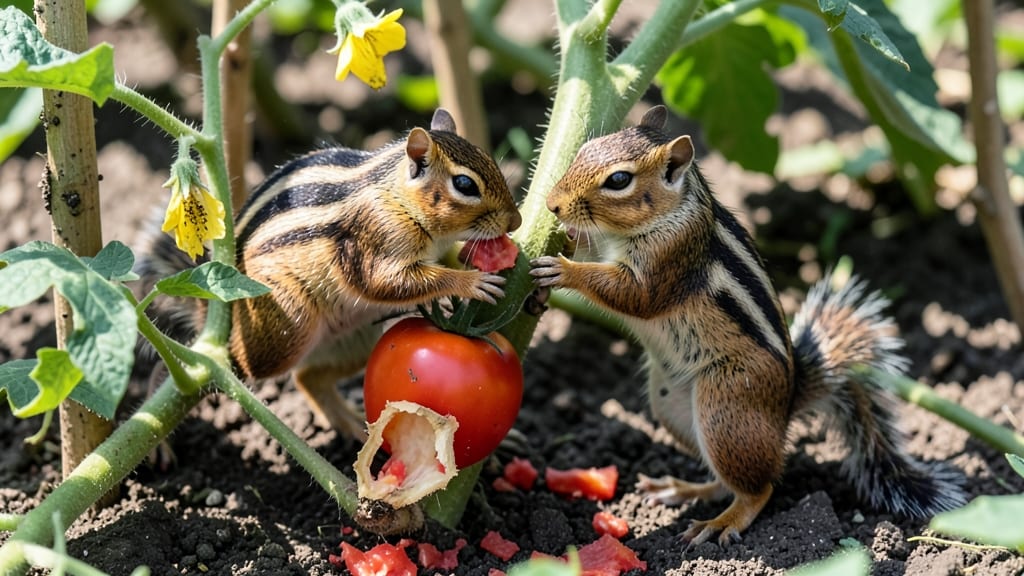
Watch your tomato plants get ravaged by chipmunks eating them, and those ripening fruits vanish faster than you can say "pests"—until I learned these three simple but effective moves. that finally worked. The key isn’t just scaring them off; it’s making your garden less appealing than the woods next door.
First, physical barriers like hardware cloth or chicken wire wrapped around plants create an instant no-go zone. Chipmunks are clever but not climbers—once they can’t reach the leaves, they move on.
Pair that with natural repellents like pepper spray (homemade or store-bought) or crushed red pepper flakes around the base. The smell throws them off without harming your plants or the environment.
Long-term, focus on habitat tweaks—remove brush piles, secure compost bins, and plant chipmunk-deterring companions like marigolds or onions nearby. These changes don’t just protect tomatoes; they make your whole garden less inviting to these tiny thieves. Within a week, you’ll notice fewer dig marks and more intact foliage.
If they’re still winning, switch up your approach: try motion-activated sprinklers or ultrasonic devices as last resorts. The goal is to outsmart them, not outlast them. Your tomatoes—and your sanity—will thank you.
The Real Culprits Behind Garden Raids
Chipmunks may look like tiny, harmless rodents, but when they target your tomato plants, they can turn your hard work into a snack buffet. Understanding why they’re drawn to your garden is the first step in protecting your harvest.
Below, we break down the key reasons these striped bandits invade your tomato patch—and what’s really motivating their munching habits.
Chipmunks are omnivores with a preference for high-protein, high-fat foods. While they’ll nibble on seeds, fruits, and even bark, tomato plants offer a perfect mix of:
- Tender young leaves and stems: Rich in moisture and easy to digest, making them an ideal snack for growing chipmunks.
- Ripe tomatoes: As they soften, their sugars and water content become irresistible. A single chipmunk can consume up to 10% of its body weight in food daily—that’s roughly half a tomato per day for an adult!
- Germinating seeds: The germ (the sprouting seed) is packed with nutrients, and chipmunks will dig up seedlings to access it.
Pro Tip: 💡 If you’ve noticed shallow holes near your tomato plants, it’s likely chipmunks digging for seeds or burrowing to hide their stash. They’re also hoarders—they’ll collect tomatoes to eat later, often dragging them into underground caches.
Chipmunks thrive in environments that provide shelter, food, and water. Unfortunately, many home gardens unintentionally create the perfect conditions for them:
| Garden Feature | Why Chipmunks Love It | How to Fix It |
|---|---|---|
| Mulch piles or leaf litter | Provides nesting material and hiding spots. Chipmunks build burrows in soft, loose soil or under debris. | Use gravel or sharp-edged mulch (like pine straw) to deter digging. |
| Drip irrigation or standing water | Attracts insects (a chipmunk’s protein source) and offers easy hydration. | Install soaker hoses above ground or use bird baths with shallow edges to avoid creating puddles. |
| Unfenced or open garden beds | Lack of barriers makes it easy for chipmunks to hop right in and forage. | Add chicken wire (1/4-inch mesh) around beds or use raised planters with buried edges. |
Pro Tip: 🌡️ Chipmunks are most active at dawn and dusk. If you spot them raiding your tomatoes during these times, it’s a sign they’ve made your garden a regular stop—time to act!
Chipmunks are foragers by nature, and their eating habits shift with the seasons:
- Spring/Summer: They target new growth (like tomato seedlings) and ripe fruit to fuel rapid weight gain for hibernation prep.
- Fall: They hoard food (including tomatoes) in underground burrows to survive winter. A single chipmunk can store thousands of seeds and fruits!
- Winter: While they hibernate, they may still surface briefly to nibble on any leftover garden goodies.
Tomatoes are especially vulnerable in late summer when they’re ripe but not yet harvested. Chipmunks can’t resist the sweet, juicy reward—and your plants pay the price.
Pro Tip: ✨ Harvest tomatoes early (even slightly underripe) to remove the temptation. If you leave them on the vine, chipmunks will outsmart you by stealing them faster than you can pick!
Now that you know why chipmunks are crashing your tomato party, the next step is stopping the raid. Stay tuned for our 3-step rescue plan to reclaim your garden—without relying on harsh chemicals!
Stop Garden Thieves Naturally
Now that you know why chipmunks are feasting on your tomato plants, it’s time to reclaim your garden—without resorting to harsh chemicals. The good news? There are humane, effective, and easy-to-implement solutions to deter these tiny troublemakers.
Below, we’ve mapped out targeted fixes based on the root cause of the problem, plus prevention tips to keep your tomatoes (and your sanity) intact.
If chipmunks are sneaking into your garden through gaps, seal them off with simple, sturdy barriers.
🔨 Physical Barriers (Most Reliable)
- 📏 Install Hardware Cloth or Wire Mesh Bury 12-inch-high mesh (with ¼-inch holes) around garden beds.
Chipmunks can’t dig through it, and they’ll avoid climbing over it if the top is bent outward slightly. Pro Tip: 💡 Double the height (18–24 inches) if your garden is near woodpiles or dense shrubs—chipmunks are agile climbers!
- 🥔 Use Raised Beds with Solid Bottoms If you’re growing tomatoes in containers or raised beds, line the bottom with hardware cloth to prevent digging. Chipmunks won’t bother what they can’t reach.
- 🪟 Block Burrows with Rocks or Mulch If you’ve spotted fresh digging near your plants, fill tunnels with coarse mulch or small rocks. Chipmunks prefer loose soil, so this makes their real estate less appealing.
🌿 Plant Deterrents (Natural Repellents)
Chipmunks dislike strong scents and textures.
Try these around your tomato plants: - 🧄 Crushed Red Pepper Flakes – Sprinkle lightly on soil (reapply after rain). - 🧂 Salt or Cayenne Pepper – A few pinches near plants (but avoid overusing—it can harm soil over time). - 🌿 Fresh Herbs – Plant mint, lavender, or rosemary nearby (bonus: they repel pests and smell amazing).
Chipmunks are opportunistic eaters—make your tomatoes less appealing by altering their environment.
🍆 Protect Young Plants First
- 🛡️ Use Individual Cages for Seedlings Wrap wire mesh cages (like chicken wire) around young tomato plants until they’re established (about 6–8 inches tall). Remove once the plant is sturdy enough to deter nibbling.
- 🌱 Grow Less Palatable Alternatives Nearby Plant basil, marigolds, or nasturtiums alongside tomatoes. Chipmunks tend to avoid these, creating a natural buffer zone.
🍅 Harvest Strategically
- 🍅 Pick Tomatoes Early & Often Overripe or fallen tomatoes are a chipmunk buffet.
Harvest green tomatoes and ripen them indoors, and clean up debris daily. Pro Tip: ✨ Shake plants gently before dawn—chipmunks are most active then, and you might spot them in action!
Chipmunks rely on habit and scent trails. Break their patterns with unexpected changes.
🎯 Motion & Noise Deterrents
- 🔊 Wind Chimes or Pinwheels – Place near garden edges to startle them when they approach.
- 🦊 Fake Predators – Set up plastic owls or snakes (move them weekly so chipmunks don’t get wise).
- 💡 Solar-Powered Lights – Chipmunks prefer darkness; motion-activated lights can scare them off at night.
🌧️ Water & Disturbances
- 💦 Sprinkle Water Frequently Chipmunks avoid wet areas. Lightly mist the soil around plants in the evening—they’ll seek drier ground.
- 🪓 Rake Soil Daily (If Possible) Chipmunks dig for food, so disrupting their digging paths with a quick rake can deter them.
Once you’ve evicted the chipmunks, keep them out for good with these habits: - 🌱 Rotate Plant Locations – Chipmunks remember favorite spots. Move tomato plants next season. - 🍂 Clear Debris Year-Round – Piles of leaves, wood, or compost attract chipmunks.
Store them far from the garden. - 🐶 Encourage Natural Predators – Birds like blue jays and crows love chipmunks.
Install a bird feeder nearby to attract them. - 🌿 Plant a "Sacrificial" Garden – Grow fast-growing crops (like lettuce or radishes) in a separate bed to distract chipmunks from your tomatoes.
If chipmunks are destroying your garden despite barriers, use live traps (like Havahart models) to relocate them far from your home (at least 5+ miles away). Never use poison—it’s inhumane and can harm other wildlife.
Final Thought: 🎯 Patience is key. Chipmunks are clever, but with consistent barriers, scent deterrents, and habitat changes, you’ll reclaim your tomato patch in no time. Try one or two methods first, then adjust based on what works best for your garden. Happy growing! 🍅🌱
Frequently asked questions
Why do chipmunks target tomato plants specifically?
Tomato plants are a chipmunk’s dream snack! They love the tender new growth, ripe fruit, and even the germinating seeds in your soil. The sweet, juicy tomatoes are packed with moisture and sugar—perfect for their high-energy diet. Plus, chipmunks dig for hidden seeds, making your garden a buffet table.
What’s the fastest way to stop chipmunks from eating my tomatoes?
Start with a physical barrier—wrap your tomato plants in chicken wire or install hardware cloth around the garden bed. For immediate results, sprinkle crushed red pepper flakes near the base (reapply after rain). Combine this with removing fallen tomatoes daily to break their feeding habit.
Are there plants that repel chipmunks I can grow alongside tomatoes?
Plant marigolds, basil, or nasturtiums near your tomatoes—their strong scents confuse chipmunks. Mint and lavender also work well. These companion plants create a natural barrier while adding beauty and flavor to your garden. Just avoid planting them too close to tomatoes, as they may compete for nutrients.
Will motion-activated sprinklers work against chipmunks?
Yes, but use them strategically! Chipmunks hate sudden movement and water. Place motion-activated sprinklers near garden edges or along pathways they use. Test them first to ensure they activate at low speeds—chipmunks are quick! Pair this with other methods for best results, as they may adapt over time.
Can I use pepper spray to deter chipmunks?
Yes, but choose a pet-safe pepper spray (like capsaicin-based repellents) and apply it lightly to soil and plant stems. Avoid spraying directly on leaves—it can harm your tomatoes. Reapply every 3-5 days or after rain. For extra protection, mix it with water and spray around the garden’s perimeter.