
Companion Plants
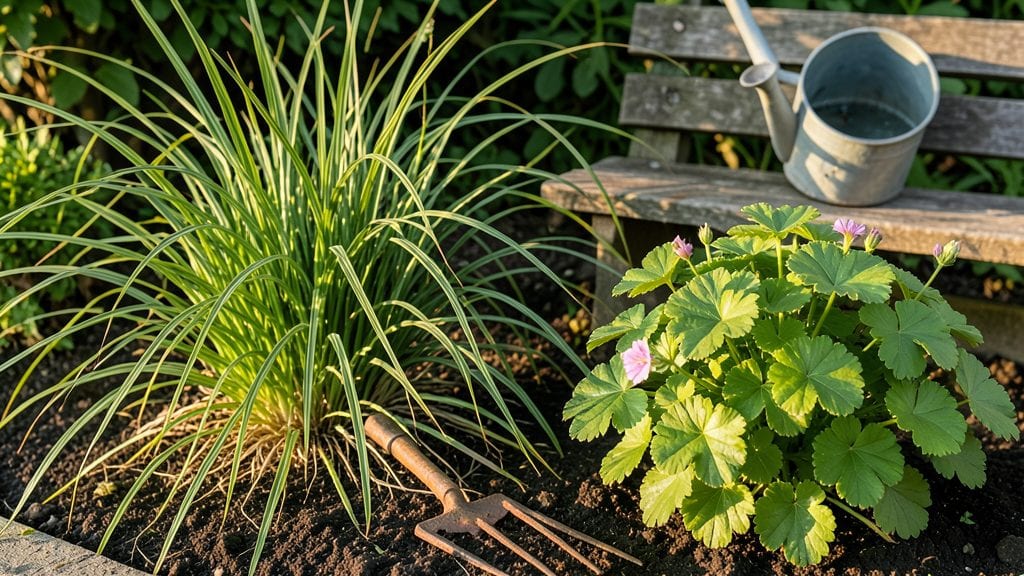
Growing live citronella plants means swapping store-bought repellent for fragrant vines that actually work. ✨ I’ve watched these fast-growing grasses turn my patio into a mosquito-free zone—no sprays, no chemicals, just the real deal. The secret lies in mimicking their tropical roots while keeping care simple enough for any gardener.
Start with a sunny spot and well-draining soil—citronella thrives in 6-8 hours of direct light daily and hates soggy roots. A 5-gallon pot works for starters, but these vines can grow 3-6 feet tall if given space.
Plant in spring after the last frost, and keep soil consistently moist but never waterlogged. The key? Morning watering to prevent fungal issues while keeping leaves lush and fragrant.
By midsummer, you’ll be harvesting stems for homemade repellent or simply enjoying the lemony scent that keeps pests at bay. Prune regularly to encourage bushier growth, and watch as your garden becomes a natural sanctuary.
The best part? These plants multiply easily—share stems with neighbors or expand your own mosquito-free oasis.
Even in cooler climates, citronella can overwinter indoors near a bright window. Just reduce watering slightly, and you’ll have fresh repellent vines ready for next season. No more itchy bites—just the satisfying crunch of homegrown defense.
📚 In This Guide
- What you need
- Instructions
- Tips and common mistakes
- Wrapping up and next steps
What you need
- ● Live Citronella Plant: 1 young citronella plant (from a nursery or garden center) or
- ● Citronella seeds (5–10 seeds for sowing)
- ● Growing Containers: 1–2 6-inch diameter pots (for seedlings) or
- ● 1 12-inch or larger pot (for mature plants)
- ● Potting Mix: 1 bag (5–10 quarts) of well-draining, peat-based potting soil (or a mix of garden soil + perlite/sand for outdoor planting).
- ● Fertilizer: 1 bottle of balanced liquid fertilizer (10-10-10) or slow-release granular fertilizer.
- ● Watering Can or Spray Bottle: For gentle hydration (avoid soggy soil!).
- ○ Pruning Shears: Small, sharp pair for trimming vines (optional but helpful!).
- ● Trellis or Support Structure: 1–2 bamboo stakes, wire mesh, or a small trellis (citronella vines grow 3–6 feet tall!).
- ● Mulch: Straw or wood chips (to retain moisture and suppress weeds).
- ● Grow Lights (Indoor): 1–2 LED grow lights (if starting seeds indoors).
- ○ Compost or Worm Castings: 1–2 cups (boosts soil health—optional but recommended!).
Step-by-Step instructions for growing live citronella plants
Here's how to cultivate these fragrant vines that naturally repel mosquitoes—no chemicals needed.
🌱 Step 1: Select the Right Location and Prepare the Soil
Citronella thrives in full sun with at least 6-8 hours of direct light daily, so choose a spot that gets plenty of afternoon sun. If you're planting in containers, ensure they have drainage holes to prevent root rot—citronella hates soggy feet. Amend your garden soil with 2-3 inches of compost to improve drainage and fertility, as these vines prefer well-draining, slightly acidic soil with a pH between 6.0 and 7.0.
Work the compost into the top 12 inches of soil to create a loose, airy growing medium. If your soil is heavy clay, mix in 1 part perlite or coarse sand to every 3 parts soil to improve aeration. This step is critical—poor drainage is the fastest way to kill citronella plants, and they’ll wilt or develop root rot if left in waterlogged conditions.
🌿 Step 2: Plant Citronella Cuttings or Seeds
Citronella is most commonly propagated from stem cuttings, which root easily in warm, humid conditions. Take 4-6 inch cuttings from a healthy, disease-free plant, and remove the lower leaves to expose 1-2 inches of bare stem. Dip the cut end in rooting hormone to encourage faster root development, then plant the cutting 2 inches deep in moist potting mix or garden soil.
If starting from seed, sow them ¼ inch deep in warm soil (70-80°F) and keep the soil consistently moist until germination, which typically occurs in 10-14 days. Space plants 18-24 inches apart to allow for air circulation, which helps prevent fungal diseases. Water gently after planting to settle the soil around the roots, but avoid oversaturating—citronella is drought-tolerant once established but needs consistent moisture during its first few weeks.
☀️ Step 3: Provide Consistent Care for Healthy Growth
Water citronella plants deeply once a week, allowing the top 2 inches of soil to dry out between waterings. Overwatering leads to yellowing leaves and root rot, while underwatering causes the leaves to wilt and drop. Mulch around the base of the plant with 2-3 inches of organic mulch (like shredded bark or straw) to retain moisture and suppress weeds, but keep the mulch 2 inches away from the stem to prevent rot.
Fertilize lightly every 4-6 weeks during the growing season with a balanced, water-soluble fertilizer (10-10-10) diluted to half strength. Citronella is a light feeder, so too much fertilizer can lead to excessive leaf growth at the expense of fragrant oil production—the very thing that repels mosquitoes. You’ll know you’re doing it right when the plant develops lush, glossy leaves and a strong citrusy scent when brushed against.
✂️ Step 4: Prune and Harvest for Maximum Yield
Regular pruning encourages bushier growth and more abundant oil production. Trim back leggy stems in early spring to promote branching, and pinch off the tips of new growth to encourage a fuller, denser plant. Harvest leaves by snipping individual stems just above a leaf node—this stimulates new growth and keeps the plant productive. The best time to harvest is in the late morning, when the oils are at their peak concentration.
To maximize mosquito-repelling power, crush a few leaves between your fingers and rub them on your skin or place them in a mesh bag near seating areas. The scent is strongest when the leaves are fresh, so avoid harvesting more than one-third of the plant at a time. Prune spent or yellowing leaves throughout the season to keep the plant healthy and encourage new growth.
🪴 Step 5: Overwintering and Long-Term Maintenance
Citronella is a tender perennial in most climates and will die back in frost or temperatures below 40°F. If you’re in a cold-zone garden, dig up potted plants or mound 4-6 inches of mulch around the base to insulate the roots. In warmer climates, citronella can grow year-round with minimal care, but it may go dormant in winter if temperatures drop below 50°F. Reduce watering during dormancy but keep the soil slightly moist.
Renew your citronella plants every 2-3 years by taking new cuttings from healthy growth. Older plants produce less oil and may become woody and less fragrant. Propagating from cuttings ensures you always have fresh, vigorous plants ready to repel mosquitoes naturally. With proper care, your citronella vines will thrive for years, providing a chemical-free way to keep your garden oasis bite-free.
Tips & tricks for perfect live citronella plants
Citronella thrives when you pay attention to details that make all the difference between a struggling vine and a lush mosquito-repelling powerhouse. Here's what I've learned after growing these fragrant plants for years.
Sunlight Strategy: The 6-8 hours of direct sunlight in Step 1 is non-negotiable—citronella won't produce its signature mosquito-repelling oils without full sun exposure. If your garden only gets partial sun, consider placing plants in containers where you can move them to follow the sun's path throughout the day. Morning sun is great, but afternoon sun (when mosquitoes are most active) is what really boosts the plant's natural repellent properties.
Root Development Secret: When planting those 4-6 inch cuttings in Step 2, focus on creating an ideal rooting environment. Use a mix of potting soil and perlite (50/50 ratio) for better aeration than regular garden soil. Keep the soil consistently moist but not soggy—think of it like a damp sponge rather than a dripping wet rag. Root development happens fastest when the soil stays warm (around 70-80°F), so consider using a heat mat if you're starting cuttings indoors during cooler months.
Fertilizer Timing: The 4-6 week fertilization schedule in Step 3 is perfect, but timing matters more than you might think. Always fertilize in the morning so the plants have time to absorb nutrients before evening watering. I've found that applying fertilizer when the soil is slightly dry (not bone-dry) helps prevent root burn. And here's a pro tip: mix a tiny pinch of Epsom salt (about 1 teaspoon per gallon of water) with your fertilizer solution every other feeding—this magnesium boost gives the leaves that extra glossy sheen that signals healthy oil production.
Harvesting Technique: When harvesting in Step 4, use clean, sharp scissors or pruning shears to make clean cuts just above leaf nodes. This precision encourages new growth from those nodes. I like to harvest in the late morning when the oils are most concentrated—just after the dew has dried but before the hottest part of the day. For maximum yield, harvest every 2-3 weeks rather than taking everything at once. The plant will reward you with bushier growth and more abundant oil production over time.
Pro Tips for Live Citronella Plants
- Citronella thrives when you pay attention to details that make all the difference between a struggling vine and a lush mosquito-repelling powerhouse.
- Sunlight Strategy: The 6-8 hours of direct sunlight in Step 1 is non-negotiable—citronella won't produce its signature mosquito-repelling oils without full sun exposure.
- Root Development Secret: When planting those 4-6 inch cuttings in Step 2, focus on creating an ideal rooting environment.
Frequently asked questions
Got questions about keeping live citronella plants thriving in your garden? Here are some of the most common ones—and their answers!
How long does it take for citronella plants to repel mosquitoes?
Citronella plants typically take 4–6 weeks to grow large enough to emit a strong scent. For the best mosquito-repelling effect, wait until the plant is at least 12–18 inches tall and has multiple stems. The more mature the plant, the stronger its natural oils—and the more effective it becomes against pests!
Do citronella plants need full sun to work?
Yes! Citronella thrives in full sun (6+ hours daily), but it can tolerate partial shade (4–6 hours). If grown in low light, the scent may be weaker, reducing its mosquito-repelling power. For optimal results, place your plant in a sunny, sheltered spot—like near a patio or deck—to maximize its natural oils.
How often should I water live citronella plants?
Water citronella 1–2 times per week, keeping the soil evenly moist but not soggy. Overwatering can cause root rot, while underwatering may stress the plant. Pro tip: Stick your finger 1–2 inches into the soil—if it’s dry, it’s time to water! Mulching helps retain moisture and keeps roots cool.
Can I grow citronella indoors, or do I need a garden?
Citronella can grow indoors, but it needs bright light (a sunny window or grow lights). A south- or west-facing window is ideal. If outdoors isn’t an option, a large pot (10+ inches deep) with well-draining soil will work. Just expect slower growth and a milder scent than outdoor plants.
Why aren’t my citronella plants smelling strong enough?
Weak scent usually means the plant isn’t mature enough, isn’t getting enough sun, or lacks nutrients. Try these fixes:
- Move to full sun if currently in shade.
- Fertilize lightly with a balanced, citrus-friendly fertilizer (like 10-10-10).
- Prune leggy growth to encourage bushier, oil-rich stems.
- Harvest leaves occasionally—this can boost oil production!
What’s the best way to harvest citronella leaves for DIY repellent?
Harvest leaves in the morning after dew dries for the strongest oils. Use clean scissors to snip younger leaves (they’re more potent). Dry them in a dark, well-ventilated area for 1–2 weeks, then crush or steep in oil (like coconut or olive oil) for a homemade repellent spray. Bonus: Freeze fresh leaves in ice cubes for a refreshing, mosquito-repelling treat!
Wrapping up and next steps
Live citronella plants are a natural, fragrant, and sustainable way to keep your garden—and your evenings—mosquito-free! 🌿 Whether you're a seasoned gardener or just starting, these easy-to-grow vines offer both beauty and function, blending seamlessly into any outdoor space. With the right care, they’ll thrive and reward you with their signature citrusy scent.
Ready to take the next step? Start small—plant a few vines in pots or along your patio, then expand as you see success. Pro tip: Share your progress with fellow gardeners or even gift a cutting to a friend! Your mosquito-free oasis awaits—happy planting! 🌱