
Pruning
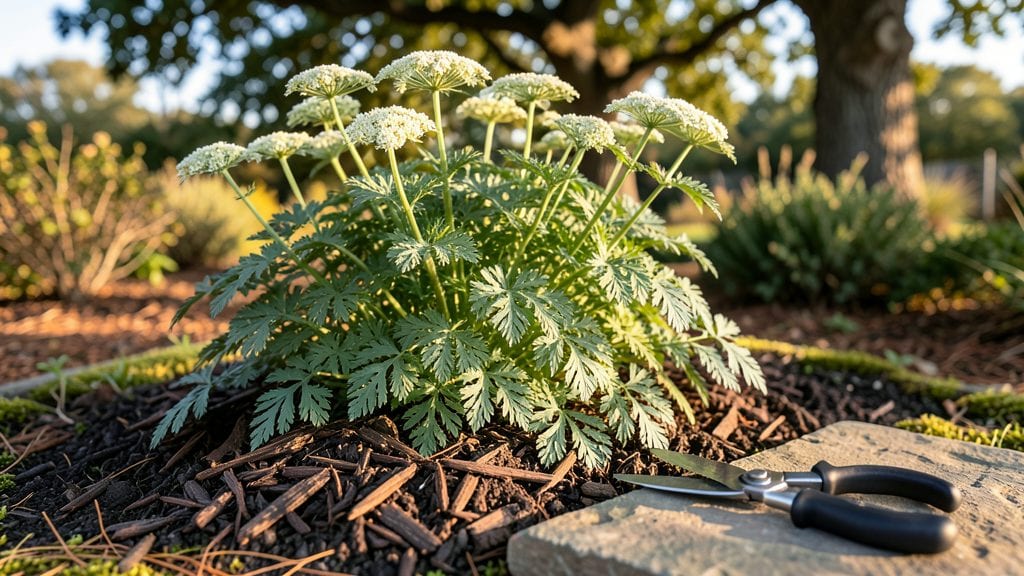
Pruning yarrow plants isn't just about tidying up—it's the secret to year-round blooms that keep your garden vibrant from spring through frost. 🌿 I've learned that two well-timed cuts transform yarrow from a floppy, spent-looking plant into a bushy, flowering powerhouse that never takes a break.
The first cut happens in early spring, right before new growth starts. Grab sharp pruners and snip back the old stems to about 2-3 inches above the ground—this jumpstarts fresh foliage and prevents flopping.
The second cut comes in late summer after the first flush of blooms fades; trim back by half to encourage a second, often more abundant flowering cycle.
You'll end up with plants that stay compact, resist flopping, and produce nonstop blooms from spring to fall. The flowers stay fresh longer, pests have fewer places to hide, and you avoid that sad, leggy look that makes yarrow seem like a one-season wonder.
Plus, the foliage stays lush and aromatic—perfect for cutting or drying.
Works for all Achillea varieties, from dwarf types to towering giants. The same technique keeps them tidy in containers or sprawling in borders. Ready to give your yarrow the pruning it deserves?
📚 In This Guide
- What you need
- Instructions
- Tips and common mistakes
- Wrapping up and next steps
What you need
- ● Pruning shears: Bypass pruners (sharp, clean, and disinfected) for clean cuts. Avoid anvil pruners—they crush stems.
- ● Hand pruners: Smaller, for trimming thin stems (1/4"–1/2" diameter). Look for ergonomic grips for comfort.
- ● Garden gloves: Cut-resistant (e.g., leather or heavy-duty nitrile) to protect hands from thorns and sap.
- ● Disinfectant: 70% isopropyl alcohol or a 10% bleach solution (1 part bleach to 9 parts water) to sterilize tools between cuts.
- ● Compost bin or bag: For disposing of pruned stems (yarrow decomposes easily!).
- ● Loppers: For thick stems (over 1/2" diameter) if your yarrow has woody growth.
- ● Hose or spray bottle: To rinse tools and stems post-pruning (reduces sap buildup).
- ● Sharpener: A pruner sharpening stone or file to maintain blade efficiency.
- ● Mulch: Organic mulch (e.g., straw or shredded leaves) to protect the base after pruning.
- ● Label or marker: To tag pruned stems if you’re experimenting with propagation!
- ● Choose a dry, sunny day—wet conditions can spread disease.
- ● Work when the plant is not flowering (early spring or late fall) for the first cut, or after blooms fade for deadheading.
- ● Have a clear goal: Are you pruning for shape, blooms, or propagation?
Instructions for pruning yarrow plants
Two simple cuts a year will keep your yarrow blooming like crazy—here's how to do it right.
✂️ Step 1: First Cut After First Bloom
Wait until the first flush of flowers opens fully, then snip the spent blooms down to the first set of healthy leaves below the flower head. This is called deadheading, and it prevents the plant from wasting energy on seed production. Use clean, sharp pruners to make a clean cut—no ragged edges that invite disease.
I like to do this in early summer when the flowers are at their peak. Yarrow blooms are tough, so you can cut them back by about 3-4 inches without harming the plant. This encourages a second flush of flowers later in the season. Watch for new side shoots emerging from the base—this is your signal the plant is responding well.
✂️ Step 2: Late-Season Renewal Cut
In late summer or early fall, after the second bloom cycle has faded, give your yarrow a more dramatic haircut. Cut the entire plant back by about half its height, or down to 4-6 inches above the ground. This removes old growth and stimulates fresh, new growth for next year.
This second cut is crucial for preventing the plant from getting woody and leggy. I time it just before the first frost in my zone, but if you're in a warmer climate, you can wait until early winter. The goal is to remove any dead or damaged stems while leaving enough foliage to protect the crown from cold snaps.
🌱 Step 3: Spring Cleanup and Maintenance
In early spring, before new growth appears, do a quick inspection of your yarrow plants. Remove any dead, broken, or diseased stems at the base with clean pruners. This keeps the plant healthy and looking tidy. You'll know it's time when you see fresh green shoots pushing through the soil.
This is also the time to divide your yarrow if it's getting overcrowded. Simply dig up the clump, separate it into smaller sections, and replant. Each section should have a few stems and some roots attached. Water them in well and watch them thrive in their new spot.
☀️ Step 4: Ongoing Care for Continuous Blooms
After your pruning cuts, keep your yarrow well-watered but not soggy. The first few weeks after pruning are critical for root recovery. Water deeply once a week, or more often if your area experiences a heatwave. You'll see new growth within 2-3 weeks if the conditions are right.
Yarrow is drought-tolerant once established, but it appreciates consistent moisture after pruning. Mulch around the base with a 1-2 inch layer of organic mulch to retain moisture and keep the roots cool. Avoid heavy mulch that could smother the plant—just enough to protect the soil and suppress weeds.
Tips & tricks for perfect yarrow pruning
These simple strategies will help you maintain vibrant yarrow plants all year long without the guesswork.
Timing is Everything: In Step 1, don't rush to deadhead those first blooms—wait until at least 75% of the flowers have fully opened. This ensures you're removing spent blooms at their peak while still allowing some flowers to set seed for pollinators. I've seen yarrow plants bloom more prolifically when I give those early flowers a chance to fully mature before cutting.
Pruning Precision: When making your late-season renewal cut (Step 2), aim for clean, angled cuts just above a leaf node or side shoot. This creates a natural growth point for next year's foliage. I use my pruners to make a slight diagonal cut—this helps water run off and prevents fungal issues that can occur with flat cuts sitting in water.
Seasonal Adjustments: If you're in a particularly warm climate where yarrow grows year-round, you might need a third light pruning in late winter to remove any leggy growth. Just trim back by about 2-3 inches to encourage fresh new shoots. This optional third cut works well between the main seasonal prunings described in Steps 1 and 2.
Tool Maintenance: Always sterilize your pruners between plants to prevent spreading disease. I keep a small bottle of rubbing alcohol handy and wipe down my pruners after each cut. Clean tools make all the difference in keeping your yarrow healthy—especially when dividing plants in Step 3 where you're working with fresh cuts.
Pro Tips for Pruning Yarrow Plants
- These simple strategies will help you maintain vibrant yarrow plants all year long without the guesswork.
- Timing is Everything: In Step 1, don't rush to deadhead those first blooms—wait until at least 75% of the flowers have fully opened.
- Pruning Precision: When making your late-season renewal cut (Step 2), aim for clean, angled cuts just above a leaf node or side shoot.
Frequently asked questions
Got questions about keeping your yarrow plants thriving with strategic pruning? Here are answers to the most common concerns—so you can enjoy those vibrant blooms all season long!
When is the best time to prune yarrow for continuous blooming?
Prune yarrow twice: first in early spring (just as new growth emerges) to shape the plant and remove dead stems, then again in mid-summer (after the first flush of flowers fades) to encourage a second bloom. This two-step approach keeps yarrow flowering from spring to frost!
How much should I cut back yarrow during each pruning?
For spring pruning, trim back about 1/3 of the plant’s height to encourage bushier growth. In mid-summer, cut stems back to just above a set of healthy leaves (about 2–4 inches from the base). Avoid over-pruning—yarrow is hardy and rebounds well, but drastic cuts can stress the plant.
What if I miss the mid-summer pruning? Can I still get fall blooms?
Don’t worry! If you skip mid-summer pruning, yarrow may still produce some fall blooms, but they’ll be fewer and less vibrant. For the best results, prune before the first hard frost. If you’re late, simply trim back dead or leggy stems in early spring to refresh the plant for next season.
Can I prune yarrow too much? What are the signs?
Over-pruning yarrow is rare, but signs of stress include yellowing leaves, stunted growth, or no new blooms. If you’ve cut back more than half the plant in one session or pruned too late in the season, give it time to recover. Yarrow is resilient—just avoid heavy cuts in late fall or winter when growth slows.
Do I need to prune yarrow if I’m not growing it for flowers?
Even if you’re growing yarrow for foliage, pollinators, or medicinal uses, light pruning helps! Trim back spent flower heads to redirect energy to leaf growth, and cut back leggy stems in spring to keep the plant compact. Just avoid shearing it into a tight hedge—yarrow thrives with a natural, airy shape!
Wrapping up and next steps
Mastering the art of pruning yarrow plants is your secret weapon for vibrant, long-lasting blooms—and yes, you can do it! 🌸 With just two strategic cuts—one in early spring and another after summer flowering—you’ll keep your yarrow thriving and looking its best year-round.
Remember, sharp tools, clean cuts, and a little patience are all you need to transform your garden into a lush, low-maintenance paradise.
Ready to take the next step? Grab your pruners and give your yarrow the care it deserves! 🌿 For extra inspiration, explore creative ways to harvest and use yarrow in bouquets, teas, or even natural remedies. Happy pruning!