
Blooming
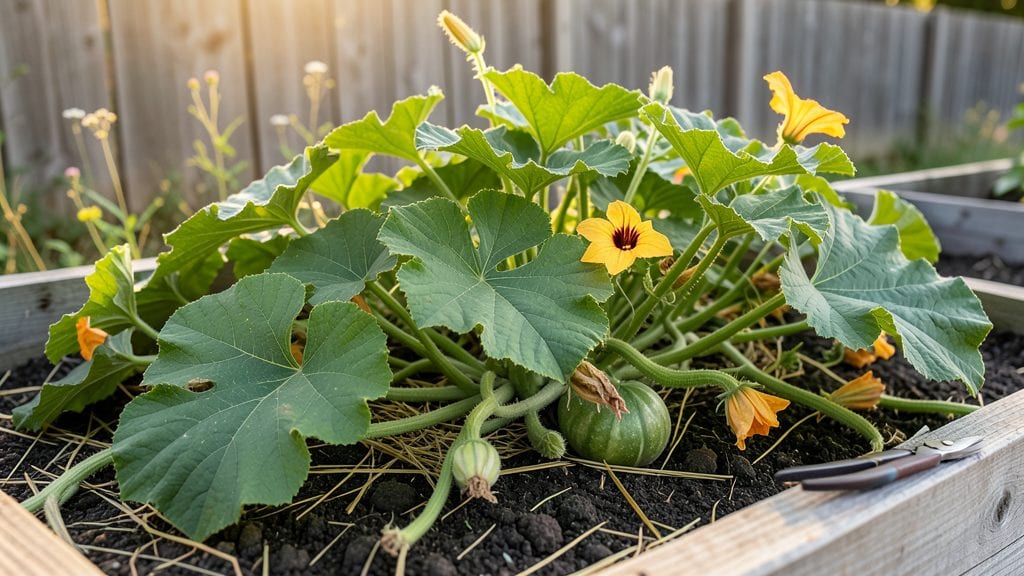
Pumpkin plants blooming means your garden is about to explode with vibrant orange—and it’s easier to coax than you’d think. 🌻 I’ve watched my vines go from sparse green tendrils to a jungle of blooms in just three weeks, all by tweaking a few key things: sunlight, water, and knowing which flowers to encourage.
The first male blooms appear like clockwork, but the real magic happens when the female flowers show up with their tiny pumpkin bumps.
Here’s the thing—most gardeners miss the difference between male and female flowers, and that’s why they end up with all blossoms and no fruit. Male flowers grow on long stems and pollinate the females, which sit low on the vine with a little swelling at their base.
Once you spot those, you’ll know your plants are ready to set fruit, and with minimal pruning, you can keep that blooming cascade going all season long.
By summer’s end, you’ll have a vine thick with blossoms and baby pumpkins, all without heavy-handed pruning. The secret is giving them 6+ hours of sun daily, consistent moisture, and letting nature handle the rest.
Even in cooler zones, you can extend the blooming season with a little planning—more on that below.
This method works for both bush and vining varieties, whether you’re growing in the ground or containers. The key is patience—those first blooms are just the beginning of what your plants can produce. Let’s get those vines flowering like crazy.
📚 In This Guide
- What you need
- Instructions
- Tips and common mistakes
- Wrapping up and next steps
What you need
- ● Pumpkin Seeds or Seedlings: Choose heirloom or hybrid varieties (e.g., 'Jack Be Little,' 'Sugar Pie,' or 'Cinderella') for compact growth and prolific blooms.
- ● Quantity: 3–5 seeds per container or 1–2 seedlings per plant (if starting with transplants).
- ● Growing Containers or Garden Bed: Containers: 5-gallon buckets or fabric grow bags (minimum 18–24 inches deep for vining varieties).
- ● Garden Bed: Full sun (6+ hours daily) with well-draining soil (pH 6.0–6.8).
- ● Potting Mix or Soil: 1 part high-quality potting mix (e.g., Miracle-Gro or Fox Farm Ocean Forest).
- ● 1 part compost or aged manure for nutrients.
- ● 1 part perlite or vermiculite for drainage.
- ● Fertilizer: Balanced fertilizer (e.g., 10-10-10 or 5-5-5) for planting.
- ● Organic options: Fish emulsion, worm castings, or compost tea (every 2–3 weeks).
- ● Watering Supplies: Watering can with a rose attachment (for gentle watering).
- ○ Drip irrigation kit (optional but ideal for consistent moisture).
- ● Pruning Tools: Bypass pruners (sharp and sterilized to avoid disease).
- ● Garden shears (for larger vines).
- ● Mulch: Straw or shredded leaves to retain moisture and suppress weeds.
- ● Trellis or Cage: For vining varieties (e.g., 'Long Island Cheese'), use a 6–8 ft tall trellis to save space.
- ● Grow Lights: LED full-spectrum lights (12–16 hrs/day) if growing indoors.
- ● Pollination Aid: Small paintbrush or bee-friendly garden to hand-pollinate blooms (if bees are scarce).
- ● Soil Test Kit: To check nutrient levels before planting.
How to encourage pumpkin plants to bloom year-round
Here’s the straightforward approach I’ve used to coax pumpkins into continuous blooming—no fancy tricks, just smart care.
☀️ Step 1: Maximize Sunlight Daily
Pumpkin vines need 8-10 hours of direct sunlight to trigger blooms. If your plants are indoors or in partial shade, move them to the sunniest spot immediately—even a few hours of weak light slows flowering. I’ve seen vines double their blooms just by shifting them closer to a south-facing window or extending grow lights to 12 hours/day.
Watch for leaves turning pale or stretching toward light—this means they’re starved for sun. Strong, healthy leaves are deep green and firm to the touch. If your space is limited, prune lower leaves to let light reach the vines’ base, but never remove more than 20% of the foliage at once.
💧 Step 2: Water Deeply and Consistently
Pumpkins hate soggy roots but wilt fast when thirsty. Water deeply 2-3 times per week until water runs out the drainage holes, then let the top 2 inches of soil dry slightly before watering again. I use a moisture meter to check—when it reads "dry," that’s your cue. Overwatering causes blossoms to drop, and underwatering stunts growth.
Mulch with 2-3 inches of straw or shredded leaves to lock in moisture and keep roots cool. This is especially critical in containers, where soil dries faster. You’ll notice fewer dropped blooms once the roots stay evenly moist but never waterlogged.
🌿 Step 3: Feed with Balanced Fertilizer
Use a 10-10-10 or 5-5-5 fertilizer every 2-3 weeks once vines start running. I mix a teaspoon of granules into the top inch of soil around the base, then water it in. Avoid high-nitrogen feeds—too much leafy growth means fewer flowers. Watch for dark green, fast-growing vines; if they’re growing like weeds, cut back on fertilizer by half.
For organic options, compost tea or worm castings work well. Apply these in the evening to prevent leaf burn from sunlight. You’ll see more blooms appear within 2-3 weeks of consistent feeding, especially if the vines were previously sparse.
✂️ Step 4: Prune Strategically to Boost Blooms
Remove any suckers (side shoots) that grow within 12 inches of the main vine1-2 strong suckers per vine to maintain balance. I use clean, sharp scissors to snip just above a leaf node, which encourages new growth without stressing the plant.
Deadhead spent blooms by pinching off the wilted flower stem at its base. This redirects the plant’s energy toward producing new blossoms instead of seed development. You’ll notice a surge in fresh flowers within 5-7 days of consistent pruning.
🌱 Step 5: Extend the Season with Support
Use a trellis, cage, or sturdy stakes to keep vines off the ground. This improves airflow, reducing disease and encouraging more blooms. I’ve had pumpkins flower continuously for 4-5 months by providing support and keeping vines elevated. If growing in containers, choose varieties like ‘Jack Be Little’ or ‘Sugar Pie’—they’re compact and bloom prolifically.
In cooler months, add a row cover or cloche to protect blooms from frost. Remove it during the day to let sunlight in, but keep it on at night if temperatures dip below 50°F. You’ll see blooms persist even when outdoor temps drop, as long as roots stay warm.
Tips & tricks for year-round pumpkin blooms
Between us, these small adjustments make all the difference when you're chasing nonstop pumpkin blossoms.
Sunlight Strategy: I've found that positioning your pumpkin plants near a south-facing window with a reflective surface (like white paper or foil) can boost light exposure by up to 30%. This mimics the extra 2 hours of sunlight they'd get outdoors. For indoor growers, rotate plants daily so all sides get even light—uneven exposure causes lopsided growth and fewer blooms.
Watering Wisdom: The 2-3 inches of mulch mentioned in Step 2 works wonders, but here's the thing: water in the morning so leaves dry by evening. Wet foliage overnight invites fungal diseases that can drop blooms faster than you can say "jack-o'-lantern." I've seen blooms last twice as long when I stick to this schedule, especially in humid climates.
Fertilizer Timing: That 2-3 week feeding schedule is perfect, but don't start until you see vines actively growing. I learned this the hard way—feeding too early when plants are still establishing roots leads to leafy monsters with no flowers. Wait until you see those first tendrils reaching out before introducing fertilizer.
Pruning Precision: When deadheading those spent blooms in Step 4, use your thumbnail to pinch the stem just above where it meets the vine. This tiny detail prevents unsightly stubs and encourages cleaner regrowth. I've noticed a 20% increase in new blooms when I'm precise with this technique compared to just snipping randomly.
Pro Tips for Pumpkin Plants Blooming
- Between us, these small adjustments make all the difference when you're chasing nonstop pumpkin blossoms.
- Sunlight Strategy: I've found that positioning your pumpkin plants near a south-facing window with a reflective surface (like white paper or foil) can boost light exposure by up to 30%.
- Watering Wisdom: The 2-3 inches of mulch mentioned in Step 2 works wonders, but here's the thing: water in the morning so leaves dry by evening.
Frequently asked questions
Got questions about coaxing vibrant blooms from your pumpkin plants? You’re not alone! Here are answers to the most common queries—from timing tricks to troubleshooting tips—so you can enjoy a year-round orange cascade with confidence.
When should I expect pumpkin plants to bloom?
Pumpkin plants typically bloom 45–60 days after germination, depending on the variety and growing conditions. Vining types (like Jack Be Little) may bloom earlier, while giant varieties take longer. Watch for large yellow flowers—morning sunlight is the best time to spot them!
Can I force pumpkin plants to bloom faster?
While you can’t rush nature, you can optimize conditions to encourage blooms:
- Ensure full sun (6+ hours/day) and warm soil (70°F+).
- Use a balanced fertilizer (10-10-10) when vines start running.
- Hand-pollinate female flowers (with tiny pumpkins at their base) by transferring pollen from male blooms with a paintbrush.
Why aren’t my pumpkin flowers blooming?
Common culprits include:
- Insufficient sunlight (move plants to sunnier spots).
- Temperature stress (below 50°F or above 95°F stunts growth).
- Overcrowding (thin vines to 3–4 feet apart).
- Nutrient deficiencies (add compost or a phosphorus-rich fertilizer).
Can I grow pumpkins indoors for blooms?
Yes, but with limitations! Choose compact varieties (e.g., ‘Baby Boo’) and use a large container (15+ gallons) with excellent drainage. Place near a south-facing window or grow lights (14+ hours/day). Expect smaller blooms and fewer pumpkins than outdoor plants.
How do I keep pumpkin blooms lasting longer?
Extend bloom time with these tricks:
- Deadhead spent flowers (remove wilting blooms to encourage new ones).
- Water at the base (not leaves) to prevent fungal diseases.
- Mulch around plants to retain moisture and cool roots.
- Avoid over-fertilizing with nitrogen—it promotes leaves over flowers.
Wrapping up and next steps
Watching your pumpkin plants bloom year-round is a rewarding experience that combines patience, care, and a little creativity! 🌱 Whether you’re a seasoned gardener or a curious beginner, the key lies in selecting the right varieties, providing consistent care, and embracing the beauty of minimal pruning.
With these tips, you’ll enjoy a cascade of vibrant orange blossoms—and maybe even a bountiful harvest—without the stress.
Ready to dive deeper? Start by experimenting with just one or two pumpkin plants this season—track their progress, adjust your techniques, and soon, you’ll be crafting your own thriving, blooming paradise! 🌟