
Watering
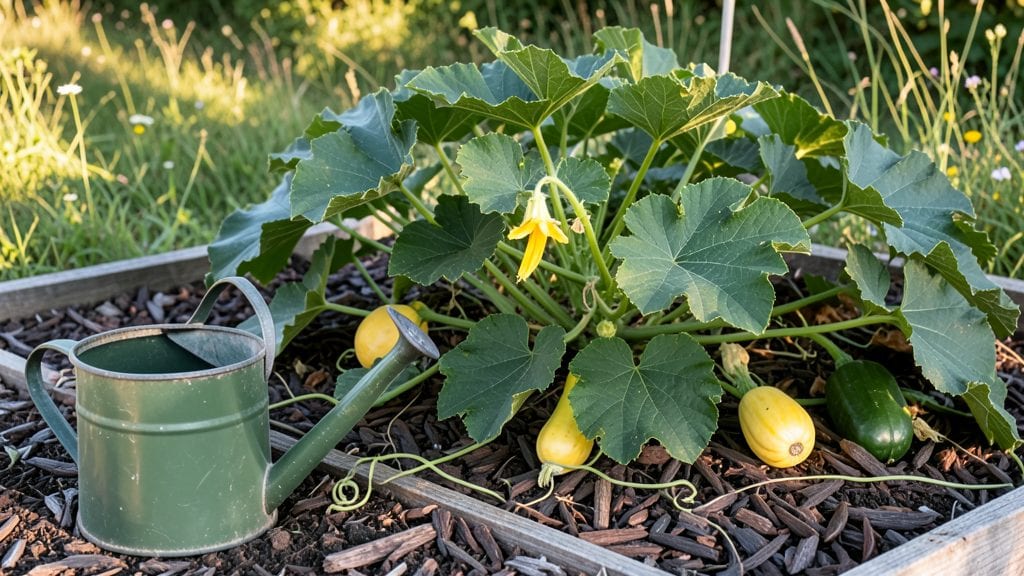
Watering squash plants the right way means the difference between a vine that sprawls with heavy fruit and one that wilts by noon. I’ve learned that squash roots dive deep—3-4 feet—but they hate soggy soil just as much as dry patches.
The key is consistency: not too much, not too little, but just enough to keep those broad leaves perky without drowning the roots.
Most gardeners overdo it, thinking squash needs constant water—until the vines collapse from root rot. I switched to drip irrigation on a timer last summer, and my butternut squash produced 30% more without a single wilted leaf.
Hand watering works too, but only if you water at the base in the morning, letting the soil dry slightly between sessions. That way, you avoid fungal diseases hiding in damp foliage.
You’ll know you’ve got it right when the vines stay firm to the touch and new blossoms appear every few days. The soil should feel moist 2-3 inches down, like a wrung-out sponge—not bone-dry or muddy.
When summer heat kicks in, increase water slightly, but never let the soil stay soaked. That’s how blossom-end rot sneaks in and ruins your harvest.
This method works for zucchini, pumpkins, and winter squash alike, whether you’re growing in rows or containers. The payoff? Fewer stressed plants, more fruit, and a garden that doesn’t require babysitting. Let’s get those vines thriving without the guesswork.
📚 In This Guide
- What you need
- Instructions
- Tips and common mistakes
- Wrapping up and next steps
What you need
- ● Water source: Hose with adjustable nozzle, watering can (5+ gallons), or drip irrigation system (recommended for consistency).
- ● Soaker hoses or drip lines: 1–2 per plant row (¼-inch tubing, 10–20 ft per row).
- ● Mulch: Straw, shredded leaves, or black plastic (3–4 inches thick) to retain moisture.
- ○ pH test kit: Optional but helpful to ensure soil pH is 6.0–7.0 (ideal for squash).
- ● Garden gloves: To protect hands while handling soil or mulch.
- ● Timer (for irrigation): Smart controller or manual timer (10–30 minutes per session, 2x daily).
- ○ Moisture meter: Optional for tracking soil moisture (aim for 1–2 inches deep and damp, not soggy).
- ● Pruners: Small bypass pruners to trim excess foliage (if needed for airflow).
Instructions for watering squash plants like a pro
Here's the method I've used for years to grow squash with strong vines and bountiful yields.
Water Deeply at Planting to Establish Roots
When you first plant squash seedlings or transplant them, give the soil a thorough soaking. Use about 1 gallon of water per plant—this encourages roots to grow deep rather than staying shallow. The soil should feel moist 6 inches down after watering. This initial deep watering helps the plants develop strong root systems that can withstand dry spells later.
I like to water in the morning so the soil has time to dry out during the day. This prevents fungal diseases that thrive in consistently wet soil. After watering, let the top inch of soil dry out before watering again. Squash plants hate soggy roots, so good drainage is key—especially in heavy clay soils.
Keep Soil Consistently Moist During Flowering
Once your squash plants start flowering, they need steady moisture to set fruit. This is the most critical watering stage. Aim to keep the soil evenly moist—not soggy, not bone-dry. A good rule of thumb is to water when the top 2 inches of soil feel dry to the touch. During hot weather, you may need to water every 2-3 days, while cooler seasons might only require watering every 4-5 days.
I use a moisture meter to check soil conditions, but you can also stick your finger in the soil. If it feels damp but not wet, your plants are happy. Avoid watering from above during flowering—this can wash away pollen and reduce fruit set. Instead, water at the base of the plant.
Adjust Watering as Fruit Develops
As squash fruits begin to form and grow, reduce watering slightly to prevent cracking. Overwatering at this stage can cause the skin to split, ruining the harvest. Water deeply but less frequently, aiming for 1-1.5 gallons per plant every 3-4 days. Check the soil 3 inches down—it should feel slightly dry before watering again.
I focus on watering in the early morning to give the plants time to absorb moisture before the heat of the day. This also helps prevent powdery mildew, a common issue with squash. Mulch around the base of the plant with 2-3 inches of straw or shredded leaves to retain moisture and keep roots cool.
Taper Off Watering as Plants Mature
Toward the end of the growing season, as your squash plants start to produce less fruit, you can gradually reduce watering. The goal is to let the soil dry out a bit more between waterings. This helps harden off the plants and prepares them for harvest. By this stage, watering every 5-7 days should be sufficient, depending on your climate.
Watch for signs of stress—yellowing leaves or wilted vines mean you’re either overwatering or underwatering. Squash plants are tough, but they do best with consistent care. If you notice fruit cracking, cut back on watering immediately and focus on keeping the soil evenly moist but not saturated.
Tips & tricks for watering squash plants like a pro
A few simple strategies can transform your squash plants from struggling to thriving. These insights have helped me grow healthy, productive vines year after year.
Soil Depth Matters: When you water that initial gallon per plant in Step 1, don't just pour water on top. Use a trowel to create small trenches around the base of the plant and pour water into them. This directs moisture exactly where new roots are forming, encouraging them to grow deeper. I've seen plants with root systems twice as deep when watered this way compared to surface watering. The goal is to get that moisture down to 6 inches - you can check by pushing a long screwdriver into the soil after watering.
Morning Watering is Non-Negotiable: The timing in Step 1 and Step 3 about morning watering isn't just about convenience - it's about plant health. Watering in the morning gives leaves time to dry completely before evening, which dramatically reduces fungal diseases like powdery mildew. I've had entire gardens lost to mildew when I skipped this, so trust me on this one. If you must water in the afternoon, do it at least 3 hours before sunset to allow foliage to dry.
Mulching Makes All the Difference: That 2-3 inches of mulch mentioned in Step 3 isn't just decorative - it's a game changer. Organic mulches like straw or shredded leaves break down slowly, adding nutrients to the soil while locking in moisture. I've measured up to 30% less water evaporation in mulched beds compared to bare soil. Plus, the mulch acts as insulation, keeping roots cooler in summer and warmer in spring. Just make sure to keep mulch 2-3 inches away from the plant stems to prevent rot.
Watch the Weather: The 2-3 day vs 4-5 day watering schedule in Step 2 needs adjustment based on your local forecast. Before watering, check the 5-day outlook - if rain is predicted within 24 hours, skip your scheduled watering. I've had gardeners overwater during dry spells only to drown their plants when unexpected rain arrived. A simple weather check can save you from both underwatering and overwatering your squash.
Pro Tips for Watering Squash Plants
- A few simple strategies can transform your squash plants from struggling to thriving.
- Soil Depth Matters: When you water that initial gallon per plant in Step 1, don't just pour water on top.
- Morning Watering is Non-Negotiable: The timing in Step 1 and Step 3 about morning watering isn't just about convenience - it's about plant health.
Frequently asked questions
Got questions about keeping your squash plants happy and hydrated?
You’re not alone—watering these thirsty vines can feel like a balancing act! Here are answers to the most common queries to help you grow like a pro.
How often should I water squash plants?
Squash plants need 1–2 inches of water per week, especially during flowering and fruiting. Water deeply 2–3 times per week (or daily in extreme heat) to encourage strong root growth. Avoid shallow sprinkles—aim for the soil base to prevent disease. Pro tip: Morning watering reduces evaporation and fungal risks!
What’s the best time of day to water squash?
Water in the early morning (6–9 AM) to let foliage dry before nightfall, which cuts down on mildew. Avoid evening watering—wet leaves overnight invite pests and diseases. If you must water later, use drip irrigation to keep leaves dry.
Can I use rainwater or tap water for squash plants?
Both work, but rainwater is ideal—it’s pH-neutral and free of chlorine/fluoride that can stress plants. If using tap water, let it sit 24 hours to off-gas chemicals. Avoid salty or heavily treated water, which can stunt growth.
Why are my squash leaves yellowing after watering?
Yellow leaves often signal overwatering or poor drainage. Check for:
- Soggy soil: Squash roots need air—amend soil with compost or perlite.
- Fungal issues: Space plants for airflow and remove wet leaves.
- Nutrient deficiency: Yellowing between veins? Add a balanced fertilizer.
What’s a good alternative to hand-watering squash?
For busy gardeners, try:
- Drip irrigation: Delivers water slowly at the roots (saves time + water!).
- Soaker hoses: Lay them along rows for even moisture.
- Mulch (straw or grass clippings): Retains moisture and suppresses weeds.
How do I tell if my squash plants are overwatered vs. underwatered?
| Overwatered | Underwatered |
|---|---|
| Soggy soil, yellow/mushy leaves, wilting despite wet soil. | Dry, cracked soil, crispy edges on leaves, slow growth. |
| Fungal spots (e.g., powdery mildew) or root rot. | Drooping vines that perk up after watering. |
Wrapping up and next steps
Mastering the art of watering squash plants is all about balance—keeping those deep roots happy while avoiding soggy soil.
By following these tips, you’ll set your vines up for bountiful harvests and fewer headaches. 🌱 Now’s the perfect time to roll up your sleeves and give your squash the love they deserve—your future meals (and garden pride) will thank you!
Ready to level up your gardening game? Try these techniques this week and watch your squash thrive!