
Pruning
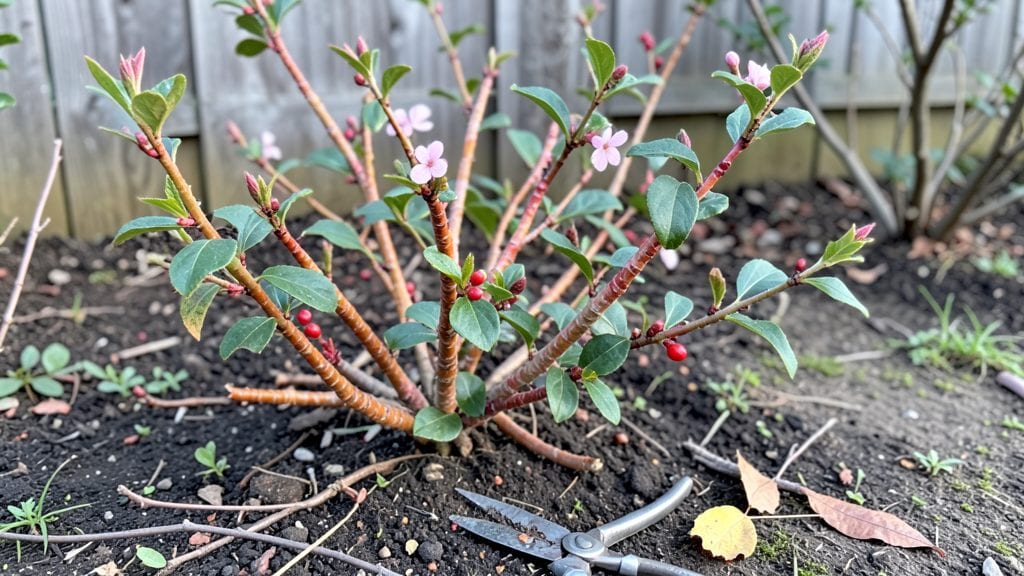
Mastering the art of euonymus plant pruning turns your shrubs into year-round showstoppers—just three strategic cuts at the right time unlock vibrant color all season.
I’ve pruned these tough plants for over a decade, and the difference between a scraggly mess and a vibrant, bushy beauty always boils down to timing and technique. The key?
Prune when the plant is dormant, never in fall, and always with sharp tools that make clean cuts instead of ragged tears.
You’ll need only three basic tools: a pair of clean bypass pruners for small stems, loppers for thicker branches, and a small hand saw for stubborn wood.
The goal isn’t to hack away—it’s to shape the plant so light reaches all its branches, encouraging dense foliage and those signature pink stems that glow in winter. Most people over-prune in spring, which stresses the plant, but euonymus is forgiving if you follow the right rhythm.
After pruning, you’ll see new growth within 2-3 weeks, with thicker stems and brighter leaves by summer. The plant rewards precision: cut back overgrown branches by one-third, remove dead wood completely, and thin out crowded stems to improve airflow.
This isn’t just about looks—it’s about keeping your euonymus healthy and productive for decades.
Works for both evergreen and deciduous varieties, from dwarf cultivars to tall hedges. The same principles apply whether you’re shaping a formal hedge or a loose, natural look. Here’s how to get it right the first time—no guesswork, just results.
📚 In This Guide
- What you need
- Instructions
- Tips and common mistakes
- Wrapping up and next steps
What you need
- ● Pruning shears: Bypass pruners (for clean cuts on small stems, 4–6 inches long, sharp blades). Anvil pruners are a budget option but can crush stems.
- ● Loppers: Bypass-style (for thicker branches, 8–12 inches long, with a comfortable grip).
- ● Hand saw: Pruning saw (for large branches, 8–10 inches, with a fine-tooth blade).
- ● Gloves: Garden gloves (cut-resistant, like those with Kevlar or leather palms).
- ● Disinfectant: 70% isopropyl alcohol or rubbing alcohol (to sterilize tools between cuts and prevent disease).
- ○ Sealing wax: Pruning sealant (optional but helpful for large cuts to prevent sap loss or pests).
- ● Extension pole: Adjustable pole saw (if your plant is tall or dense, 3–6 feet long).
- ● Ladder: Lightweight step stool (for hard-to-reach branches, ensure it’s stable!).
- ● Pruning rope: Nylon cord (to lower heavy branches safely).
- ● Notebook & pen: (to sketch your plant’s shape or mark cuts before pruning).
- ● Safety glasses: (if working with large branches or debris).
Step-by-Step instructions for pruning euonymus plants
Pruning euonymus isn’t just about shaping—it’s about unlocking vibrant foliage and keeping your plant healthy year-round.
Prune for Shape in Late Winter or Early Spring
Start by removing any dead, diseased, or crossing branches first. Use clean, sharp pruning shears to make cuts just above a leaf node or outward-facing bud. This ensures new growth emerges in the right direction. I like to step back every few cuts to visualize the plant’s natural shape—euonymus responds well to gradual shaping.
For boxwood-like varieties, trim back by about one-third to maintain density. If your plant looks leggy, cut back the longest stems by half. This encourages bushier growth and prevents weak, sprawling branches. Avoid heavy pruning now if you’re growing euonymus for its colorful fall foliage—save aggressive cuts for later in the season.
Light Pruning After Spring Flush
About 6-8 weeks after spring growth begins, give your euonymus a second look. This is when you can fine-tune its shape and remove any awkward growth. Focus on thinning out the center to improve airflow, which reduces the risk of fungal diseases. I often remove a few branches entirely if they’re growing inward or rubbing against others.
If your euonymus has variegated leaves, avoid cutting into the green center of variegated stems—this can reduce the plant’s ornamental appeal. Instead, cut just outside the variegated section to preserve the pattern. Water the plant well after pruning to help it recover faster.
Summer and Fall Maintenance Pruning
During the growing season, do light pruning to maintain shape and encourage new growth. Remove any branches that spoil the plant’s appearance or grow in an unsightly direction. For varieties prized for their fall color, avoid heavy pruning now—this can reduce the intensity of the seasonal hues. Instead, focus on tidying up and removing spent flowers if your euonymus blooms.
In late summer, you can do a final light pruning to prepare for winter. Cut back any overly long or leggy growth by about one-third. This helps the plant harden off and reduces stress from heavy snow or ice. Mulch around the base with 2-3 inches of organic mulch to protect roots and retain moisture.
Post-Pruning Care for Healthy Growth
After pruning, apply a balanced, slow-release fertilizer to encourage strong new growth. I use a 10-10-10 formula in early spring and again after summer pruning. Water deeply right after fertilizing to help the nutrients reach the roots. Euonymus is drought-tolerant once established, but consistent moisture during the first year after pruning ensures it recovers well.
Monitor your plant for signs of stress, like yellowing leaves or wilting. If you notice these, reduce watering slightly—euonymus prefers well-drained soil and can suffer from overwatering. With proper care, your euonymus will reward you with lush, vibrant foliage and a well-manicured appearance all year.
Tips & tricks for perfect euonymus plant pruning
Mastering the art of euonymus pruning transforms your plant from ordinary to extraordinary—here's how to avoid common mistakes and elevate your results.
Timing is Everything: The late winter or early spring pruning in Step 1 is crucial for shaping while the plant is dormant. I've learned this the hard way—pruning too early can expose tender growth to frost damage, while waiting too long can stress the plant. Look for your area's last expected frost date as your guide, and prune just before new growth begins. This timing ensures your euonymus has plenty of energy to recover and produce vibrant foliage.
Cutting Technique Matters: When making cuts in Step 1, always aim just above a leaf node or outward-facing bud. I use a small white marker to temporarily mark these spots before cutting—this helps me visualize where new growth will emerge. For boxwood-like varieties, cutting at a 45-degree angle prevents water from pooling on the cut surface, which helps prevent fungal infections. Remember, clean tools are essential—sterilize your pruners with rubbing alcohol between cuts to prevent spreading disease.
Seasonal Considerations: The 6-8 week timing in Step 2 is perfect for fine-tuning your plant's shape after the initial spring flush. This is when euonymus really shows its growth potential. I've noticed that variegated varieties respond particularly well to this timing—cutting at this stage preserves the variegation pattern while encouraging new growth. For fall-color varieties, avoid heavy pruning after this point, as the plant needs its foliage to photosynthesize for that stunning seasonal display.
Mulching Strategy: The 2-3 inch layer of organic mulch in Step 3 is more important than many gardeners realize. I've found that mulching right after late summer pruning helps retain moisture while protecting roots from temperature fluctuations. Use shredded bark or straw mulch—these materials improve soil structure over time. Just be sure to keep mulch a few inches away from the plant stem to prevent rot.
Pro Tips for Euonymus Plant Pruning
- Mastering the art of euonymus pruning transforms your plant from ordinary to extraordinary—here's how to avoid common mistakes and elevate your results.
- Timing is Everything: The late winter or early spring pruning in Step 1 is crucial for shaping while the plant is dormant.
- Cutting Technique Matters: When making cuts in Step 1, always aim just above a leaf node or outward-facing bud.
Frequently asked questions
When is the best time to prune euonymus for color?
Prune after flowering (late spring to early summer) to encourage bold fall color. For shaping, light trims can happen in early spring (before buds swell) or late winter. Avoid heavy cuts in fall—it reduces next year’s foliage and color intensity.
Can I prune euonymus in winter? What risks are there?
Light pruning in dormant winter (Dec–Feb) is fine for shaping, but avoid heavy cuts. Cold snaps can stress the plant, and severe pruning may delay spring growth or weaken color production. Stick to 20–30% max removal if you must prune then.
What if my euonymus looks leggy or sparse after pruning?
Leggy growth often means too much shade or over-pruning. To fix it:
Yes! Use semi-hardwood cuttings (from early summer pruning):
Brown edges or spots usually signal stress from:
Avoid cutting back more than ⅓ of the plant at once—gradual trims encourage bushier regrowth.
Can I propagate euonymus from pruned cuttings?
Euonymus varieties like Euonymus alatus root easily—perfect for expanding your collection!
Why did my euonymus turn brown after pruning?
Water deeply, avoid mulch piles near stems, and prune on dry, mild days to prevent shock.
Wrapping up and next steps
Mastering euonymus plant pruning unlocks vibrant year-round color and keeps your garden thriving! 🌿 With just three strategic cuts—spring shaping, summer deadheading, and late-winter cleanup—you’ll encourage lush growth, prevent disease, and highlight those stunning foliage hues. Remember, sharp tools and patience are your best allies.
Now that you’re armed with the know-how, grab those shears and get pruning! Start with one section of your euonymus this weekend—your garden (and future self) will thank you. Happy trimming! 🌸✂️