
Pruning
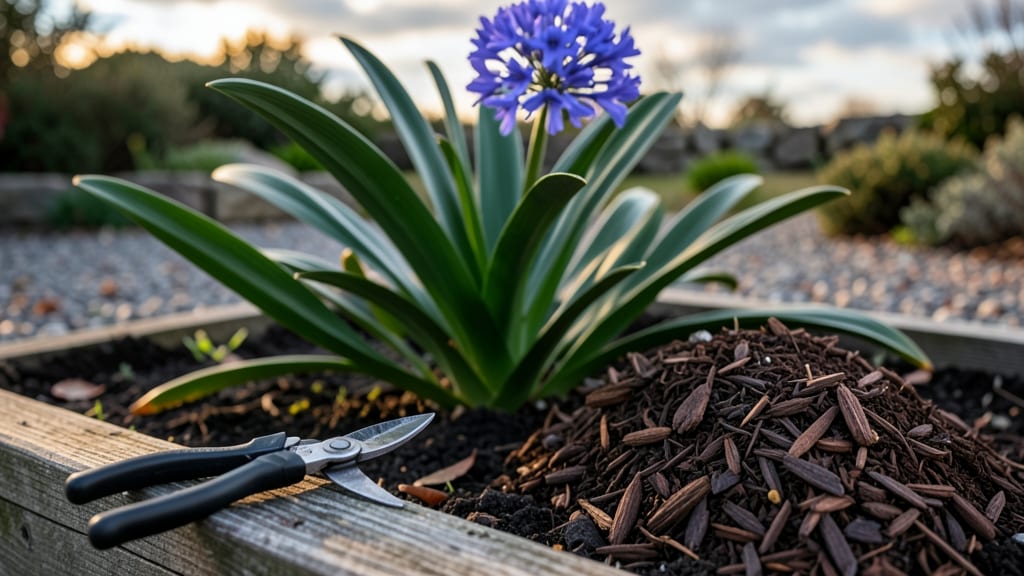
Pruning agapanthus plants isn't just about keeping them tidy—it's the secret to bold, healthy blooms year after year. 🌿 I’ve learned that skipping this step means fewer flowers and leggy stems that flop by summer.
The right cuts at the right time transform these plants from straggly to showstopping, with thick stems and clusters of blooms that last for weeks.
You only need sharp pruners and a clear day to work—no fancy tools required. The best time to prune is late winter or early spring, just as new growth starts to push through the soil.
Cut back the previous year’s stems to about 2-3 inches above the ground, making clean cuts at a 45-degree angle to prevent water from pooling. This encourages fresh, sturdy growth and gives your plants room to breathe.
What you’ll end up with is a neat, compact plant that blooms earlier and more abundantly. The new stems will be thick and upright, supporting those iconic blue or white flower clusters without sagging.
Plus, you’ll avoid the common mistake of pruning too late in the season, which can delay or even prevent flowering. Think of it as a reset button for your agapanthus—clean cuts mean cleaner growth.
For overgrown plants, don’t panic—just take it in stages. Remove the oldest, most woody stems first, then tackle the rest over a few weeks. And if you’re in a colder climate, a light prune in late fall can help protect the plant from harsh winters.
The key is consistency: a little maintenance now means years of effortless blooms with almost no extra work.
📚 In This Guide
- What you need
- Instructions
- Tips and common mistakes
- Wrapping up and next steps
What you need
- ● Pruning shears – Bypass pruners (sharp, clean, and sterilized) for clean cuts on stems and leaves. Choose a pair with ergonomic handles for comfort during extended use.
- ● Garden gloves – Heavy-duty, cut-resistant gloves (e.g., nitrile-coated) to protect your hands from thorns and sharp edges.
- ● Disinfectant solution – 70% isopropyl alcohol or a bleach-water mix (1 part bleach to 9 parts water) to sterilize tools before and after pruning.
- ● Garden twine or rubber bands – For tying up large or floppy stems if needed during or after pruning.
- ● Garden waste bag or bucket – A heavy-duty, compostable bag (10–20 gallons) or a wheelbarrow to collect pruned debris.
- ○ Loppers (optional) – For thicker stems (½ inch or larger), use bypass loppers with a 10–12 inch blade.
- ● Hose or watering can – To rinse tools after sterilization and dampen foliage if pruning in dry conditions.
- ● Hand pruners (felco or similar) – For precision trimming of smaller stems or deadheading.
- ● Sharpie or permanent marker – To label pruned sections if you’re experimenting with staggered pruning.
- ● Mulch (pine bark or compost) – 1–2 inches of organic mulch to protect roots post-pruning and retain moisture.
- ● Plant food or fertilizer – A balanced, slow-release fertilizer (10-10-10 or 20-20-20) to revitalize agapanthus after heavy pruning.
- ● Safety glasses – If working near dense foliage or using power tools (though not typical for agapanthus).
Step-by-step guide to pruning agapanthus for year-round vitality
Here's the straightforward approach I use to keep agapanthus thriving through every season.
✂️ Step 1: Prune Dead Foliage in Late Winter or Early Spring
Wait until late winter or early spring, just before new growth begins, to remove last year's dead leaves. I grab a pair of clean, sharp pruners and cut back any brown or yellowed foliage at the base where it meets the stem. This prevents disease and makes room for fresh growth.
Don't rush this step—wait until new shoots appear about 2 inches tall before cutting. If you prune too early, you risk removing emerging buds. Agapanthus are tough, but they'll tell you when it's time: new green shoots mean it's go time.
✂️ Step 2: Trim Flower Stems After Blooming
Once your agapanthus finish flowering, cut back the spent flower stems to about 1 inch above the base. This keeps the plant neat and redirects energy toward next year's blooms. I like to do this right after the flowers fade, usually in late summer.
Don't worry if a few stems linger—they won't harm the plant, but cutting them back now prevents seed formation, which can drain energy. If you miss this step, you might see leggy growth or fewer blooms next season. A quick trim now saves you work later.
✂️ Step 3: Lightly Shape in Early Summer
In early summer, give your agapanthus a light shape-up by trimming any overly long or straggly leaves. I use clean pruners to snip just above a leaf node or where the leaf naturally branches. This encourages bushier growth and better airflow.
This isn't about drastic changes—just a little tidying. If you see leaves that are yellowing or diseased, remove them immediately to prevent spread. Agapanthus are low-maintenance, but this small step keeps them looking their best.
⏰ Step 4: Prepare for Winter Dormancy in Fall
As temperatures drop in late fall, stop fertilizing and reduce watering. Once the foliage turns brown and dies back naturally, you can cut it back to about 4-6 inches above the ground. This makes it easier to cover with mulch if your winters are harsh.
I like to leave some old foliage until spring growth starts—it provides natural insulation. If you live in a colder climate, add a 2-3 inch layer of mulch around the base to protect the crown. This simple step keeps your agapanthus healthy through winter.
🌱 Step 5: Monitor and Adjust Year-Round
Throughout the year, keep an eye out for any yellowing leaves, pests, or signs of stress. If you notice issues, address them immediately—agapanthus are hardy, but they still need occasional care. I check my plants every few weeks during the growing season to catch problems early.
If your agapanthus aren't blooming as much as you'd like, they might need more sun or fertilizer. Most varieties thrive in full sun to partial shade, but if yours is in a shady spot, consider moving it. A little attention goes a long way with these beauties.
Tips & tricks for pruning agapanthus like a pro
These simple tricks will help you keep your agapanthus thriving year after year with minimal effort.
The Timing Secret: In Step 1, when you're waiting for those 2-inch new shoots to appear, don't rush the process. I've learned the hard way that cutting too early removes the emerging buds you'll need for next year's blooms. Think of it like waiting for the first green leaves on your lawn in spring—patience pays off. The plant will reward you with stronger growth.
Tool Tip: Always use clean, sharp pruners—not dull ones from the garage. I sterilize my pruners with rubbing alcohol between cuts, especially when dealing with diseased foliage in Step 3. Dull blades tear leaves instead of making clean cuts, which can damage the plant and invite pests. A small investment in quality pruners makes all the difference.
Seasonal Strategy: For Step 4's winter prep, if you're in a particularly cold climate, consider adding a layer of straw mulch on top of the 2-3 inch layer of regular mulch. The straw provides extra insulation without compacting like other mulches. I've seen agapanthus survive winters as cold as 10°F with this extra protection—just remove the straw in early spring before new growth appears.
Bloom Boost: After completing Step 2 (trimming spent flower stems), you can give your agapanthus a little fertilizer boost in early spring. Use a balanced, slow-release fertilizer to encourage next year's blooms. I like to apply it just after the first pruning in late winter, when new shoots are about 2 inches tall. This timing helps the plant recover quickly and build energy for summer flowering.
Pro Tips for Agapanthus Plants Pruning
- These simple tricks will help you keep your agapanthus thriving year after year with minimal effort.
- The Timing Secret: In Step 1, when you're waiting for those 2-inch new shoots to appear, don't rush the process.
- Tool Tip: Always use clean, sharp pruners—not dull ones from the garage.
Frequently asked questions
Got questions about pruning your agapanthus?
Here are some of the most common concerns—plus straightforward answers to keep your plants thriving!
When is the best time to prune agapanthus?
The ideal time to prune agapanthus is late winter or early spring, just before new growth begins (around February to March in most climates). This timing ensures you remove dead foliage without cutting back fresh shoots. If you spot dead or damaged leaves at other times, trim them as needed—but avoid heavy pruning after flowering, as it can stress the plant.
How much should I cut back agapanthus?
Agapanthus are hardy and don’t need drastic pruning. Cut back dead or brown leaves to the base in late winter, and trim any leggy stems by about ⅓ of their height if they look overgrown. Avoid cutting into the healthy green growth—this is where next year’s blooms will emerge! Think of it as a light haircut, not a buzz cut.
Will pruning agapanthus affect next year’s flowers?
Not if done correctly! Pruning in late winter/early spring won’t harm flowering—in fact, it encourages stronger growth. However, avoid cutting back flower spikes until they’ve fully died down (late fall/winter). The plant stores energy in its roots, and pruning too early can reduce next season’s blooms. Patience pays off with bold, vibrant flowers!
What should I do if my agapanthus leaves turn brown or crispy?
Brown or crispy leaves usually signal overwatering, underwatering, or frost damage. First, check the soil—agapanthus prefer well-draining soil and moderate watering (water when the top inch of soil is dry). If frost is the culprit, trim dead leaves in late winter. For severe damage, prune back to healthy green growth and fertilize lightly in spring to promote recovery.
Can I prune agapanthus in containers differently than in-ground plants?
Yes! Container-grown agapanthus need slightly more frequent pruning because their roots are confined. Trim dead leaves year-round as needed (especially in hot climates where they dry out faster). In late winter, prune back about ⅓ of the foliage to encourage bushier growth. Also, repot every 2–3 years to refresh soil and prevent root-bound stress.
Wrapping up and next steps
Pruning your agapanthus plants is a simple yet powerful way to keep them thriving year-round! By following the right techniques—like trimming spent blooms, cutting back dead foliage, and shaping with clean cuts—you’ll encourage healthier growth and stunning flowers. Remember, timing and sharp tools are your best friends for stress-free pruning.
Now that you’re armed with the know-how, roll up your sleeves and give your agapanthus the care it deserves! 🌿 Start with just one plant to build confidence, then expand your pruning prowess.
Before you know it, your garden will be bursting with vibrant blooms and lush foliage—all thanks to a little clean-cut love.