
Companion Plants
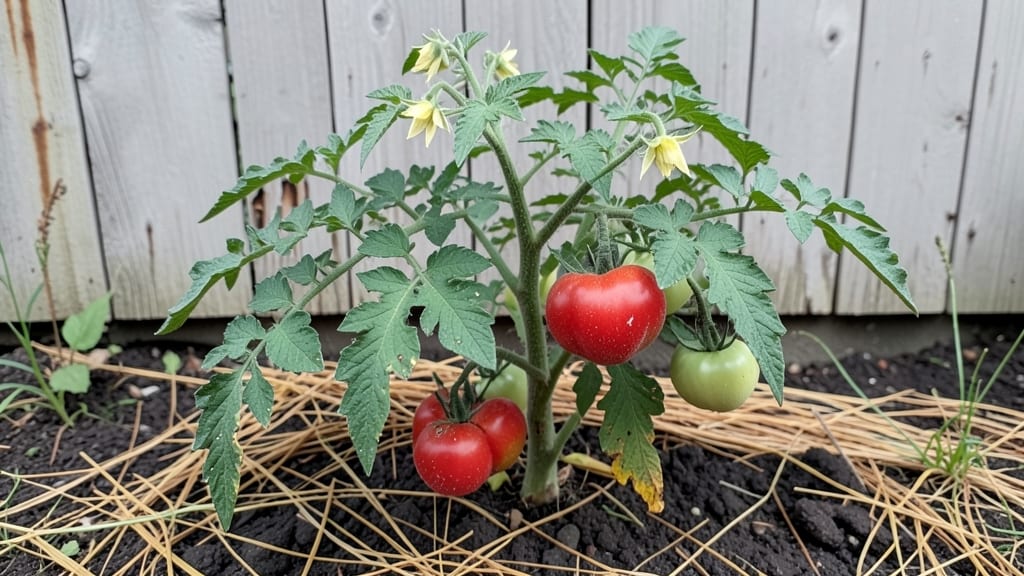
Growing Druzba tomato plants means finally getting reliable tomatoes in short-season climates where most varieties fail. ✨ These Russian-bred beauties thrive where others bolt, producing sweet, meaty fruits even with late spring frosts or cool summers.
My first year with them proved it—plants stayed strong through a 40°F night, and the harvest kept coming until first frost.
You’ll need well-draining soil rich in organic matter, a sunny spot with at least 6 hours of direct light daily, and consistent moisture without soggy roots. Druzba’s cold resistance comes from its compact growth habit and early maturity—expect ripe tomatoes in just 65-70 days, perfect for northern gardeners.
The plants handle partial shade better than most varieties, making them ideal for urban gardens or areas with afternoon cloud cover.
With proper care, you’ll harvest 4-6 pounds of tomatoes per plant, each weighing 4-6 ounces—big enough for slicing but sweet enough to eat fresh. The vines stay manageable at 3-4 feet tall, so staking or caging is a must to keep fruits off the ground and prevent disease.
Prune suckers regularly to focus energy on fruit production, and watch for early signs of blight—Druzba resists common tomato diseases better than heirlooms, but airflow is still key.
These tomatoes shine in cool climates but adapt surprisingly well to containers, making them perfect for patios or small spaces. If your growing season feels too short, start seeds indoors 6-8 weeks before last frost for a jumpstart. The payoff? A garden that delivers where others quit—consistently, year after year.
📚 In This Guide
- What you need
- Instructions
- Tips and common mistakes
- Wrapping up and next steps
What you need
- ● Druzba tomato seeds or seedlings: 3–5 plants (for a small garden) or 6–8 (for a larger harvest). Look for certified organic or heirloom seeds if preferred.
- ● Well-draining potting mix: 10–15 lbs (for seed-starting) or a high-quality garden soil blend amended with compost (for transplanting). Aim for a pH of 6.0–6.8.
- ● Containers or garden space: Containers: 5-gallon pots or fabric grow bags (1 per plant). Ensure drainage holes are present!
- ● Garden beds: Full sun (6+ hours/day) and space 18–24 inches apart (Druzba vines spread!)
- ● Fertilizer: Seed-starting: Balanced fertilizer (e.g., 5-5-5) or compost tea.
- ● Growth phase: Tomato-specific fertilizer (high in potassium and phosphorus, like 10-10-10 or 5-10-10).
- ● Planting tools: Trowel, pruners, and gloves (gardening gloves protect from thorns!).
- ● Watering supplies: Watering can with a fine rose (for seedlings) or a drip irrigation system (for mature plants).
- ● Support structures: Cages (5–6 ft tall), stakes, or trellises (Druzba can grow 6+ ft!).
- ● Mulch: Straw or shredded leaves (2–3 inches) to retain moisture and suppress weeds.
- ● Row covers or frost cloth: For early planting in cooler climates (Druzba tolerates light frosts but loves warmth!).
- ● Companion plants: Basil, marigolds, or borage to deter pests and boost growth.
- ● Growth regulators: Like seaweed extract or compost tea to enhance cold resistance.
- ● Harvesting tools: Sharp scissors or a small knife for clean cuts.
Step-by-Step guide to growing Druzba tomato plants in cold climates
This Russian-bred variety thrives where others fail—here's how to get the most from your cold-hardy tomatoes.
🌱 Step 1: Start Seeds Indoors for Early Growth
Begin seeds indoors 6-8 weeks before your last frost date. Druzba germinates best at 75-80°F, so use a seedling heat mat if your home runs cooler. Fill biodegradable peat pots with sterile seed-starting mix (not garden soil) and press it down lightly—you want firm but not compacted soil.
Plant 2-3 seeds per pot at a depth of ¼ inch, then cover with a thin layer of mix. Mist gently with water until the surface looks evenly damp. Place pots in a humidity dome or cover with plastic wrap to retain warmth. Check daily but don't water again until the top inch feels dry—overwatering causes damping-off, which kills seedlings overnight.
☀️ Step 2: Provide Strong Light and Prevent Leggy Growth
Once sprouts appear (5-10 days), remove the cover and move pots to a south-facing window or under grow lights. Druzba needs 14-16 hours of light daily to grow sturdy. If seedlings stretch toward the light (leggy growth), your light source is too far away—adjust it to 2-4 inches above the plants.
Rotate pots quarter-turn daily so plants grow straight. Strong Druzba seedlings have thick stems and deep green leaves spaced 1-2 inches apart. If leaves look pale or stems bend, increase light immediately—these plants need brightness to handle cold snaps later.
🪴 Step 3: Harden Off and Transplant After Frost
Two weeks before your last frost, start hardening off by placing pots outside in partial shade for 1-2 hours daily. Gradually increase time to full sun exposure over 10-14 days. Druzba tolerates light frosts (28°F), but avoid transplanting until soil warms to 50°F. Dig holes twice as wide as the root ball to encourage root spread.
Plant deeply—bury ⅔ of the stem to stabilize plants and promote stronger roots. Space 18-24 inches apart in rows 3 feet apart. Water deeply at transplanting to settle soil around roots, then mulch with 2-3 inches of straw to retain moisture and protect against cold snaps.
💧 Step 4: Water and Feed for Cold-Resistant Productivity
Water at the base (not overhead) to prevent disease. Druzba thrives with 1-1.5 inches of water weekly, but check soil—top 2 inches dry is your cue. Avoid wetting leaves to prevent blight, especially in humid northern climates. Use a drip irrigation system if possible for consistent moisture.
Fertilize when flowers appear with a balanced 10-10-10 formula. Druzba produces heavy yields, so side-dress with compost mid-season for extra nutrients. Prune suckers (side shoots) to direct energy to fruit—leave 1-2 main stems for best results in cooler weather.
Tips & tricks for perfect Druzba tomato plants
A few simple strategies will help you coax the most from these hardy Russian tomatoes—especially if you're gardening in cooler climates.
Heat Mat Hack: If your home stays below 75°F, don't skip the seedling heat mat in Step 1. I learned this the hard way after struggling with slow germination—Druzba needs that consistent warmth (75-80°F) to break through the soil quickly. Place the heat mat under your seed trays and keep it plugged in 24/7 until sprouts appear.
Lighting Secret: For the 14-16 hours of daily light in Step 2, consider using LED grow lights instead of just a south-facing window. I installed a simple 24-watt clip-on light on a timer—it's bright enough to prevent leggy growth and gives me flexibility to move the plants as they grow. Keep the lights 2-4 inches above the seedlings and adjust as they grow taller.
Transplanting Timing: The 10-14 day hardening off period in Step 3 is crucial, but don't rush it. I've seen gardeners transplant too early and watch their plants wilt in cold snaps. Start with just 1-2 hours in partial shade, then gradually increase exposure. A good rule of thumb: if your local forecast shows temps dropping below 28°F during the night, wait a few more days before transplanting.
Watering Wisdom: When you're watering at the base (Step 4), use the "top 2 inches dry" test as your guide—but check in the morning. Watering in the evening can lead to fungal issues, especially in humid climates. I've found that a drip irrigation system on a timer makes this easy—set it for early morning and you'll never overwater or forget.
Pro Tips for Druzba Tomato Plants
- A few simple strategies will help you coax the most from these hardy Russian tomatoes—especially if you're gardening in cooler climates.
- Heat Mat Hack: If your home stays below 75°F, don't skip the seedling heat mat in Step 1.
- Lighting Secret: For the 14-16 hours of daily light in Step 2, consider using LED grow lights instead of just a south-facing window.
Frequently asked questions
How cold can Druzba tomatoes tolerate before planting?
Druzba tomatoes are bred to handle early spring chills, but they thrive best when soil temperatures reach 50°F (10°C). For northern gardens, wait until after the last frost—typically late May or early June—unless you’re using row covers to protect seedlings. Planting too early can stunt growth or invite disease.
When should I expect Druzba tomatoes to ripen?
These tomatoes mature in 80–90 days from transplanting, making them a reliable mid-season variety. In cooler climates, count on harvests starting in late July or August. Patience pays off—their flavor deepens as they ripen fully on the vine!
What should I do if my Druzba plants look stunted or yellow?
Yellowing leaves or slow growth often signal overwatering, nutrient deficiency, or poor drainage. Check soil moisture (keep it consistently moist but not soggy) and fertilize with a balanced tomato feed (10-10-10) every 3–4 weeks. If roots are waterlogged, amend soil with compost to improve aeration.
Can I grow Druzba tomatoes in containers?
These compact plants thrive in 5-gallon containers with drainage holes. Use a high-quality potting mix and stake or cage them for support. Just ensure they get 6–8 hours of sunlight daily and water regularly—containers dry out faster than garden beds.
Are Druzba tomatoes good for sauces or slicing?
This versatile variety excels in both! Their medium-sized, meaty fruits (2–3 oz each) are perfect for sauces, salsas, and fresh salads. For richer flavor, let them ripen fully on the vine—no need to rush them off!
How do I protect Druzba tomatoes from late frost?
Use frost cloths or row covers to shield young plants until temperatures stabilize. For extra warmth, plant near heat-loving companions like basil or marigolds. If frost hits unexpectedly, cover plants with blankets or cardboard at night.
Wrapping up and next steps
Growing Druzba tomato plants in your northern garden is not just possible—it’s rewarding! 🌱 These cold-resistant Russian-bred varieties thrive where others struggle, offering delicious, homegrown tomatoes even in cooler climates. With the right care, companion planting, and a little patience, you’ll enjoy a bountiful harvest that rivals the best.
Ready to take the next step? Start small this season—plant a few Druzba seedlings, experiment with companion plants like basil or marigolds, and watch your garden flourish. Happy growing! 🌿