Planting
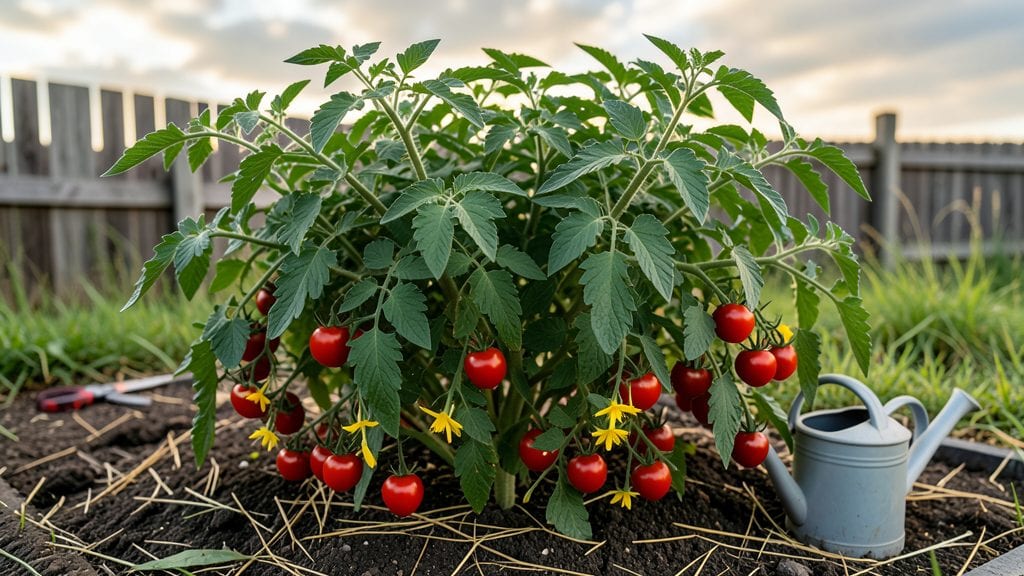
The Candyland tomato plant delivers sweet, cherry-sized fruit in record time—perfect for small spaces and impatient gardeners. 🌱 I’ve grown it every summer since I discovered how quickly it matures, producing clusters of 2-inch red orbs just 55 days after transplanting.
This indeterminate variety may be compact, but it packs a flavor punch that rivals heirlooms, with a bright, tangy-sweet taste that disappears from grocery stores by midsummer.
To get the most from your Candyland plants, prioritize a sunny spot with at least 6 hours of direct light daily and well-draining soil rich in organic matter. A 5-gallon container works well for one plant, or space them 18 inches apart in the ground.
The key to fast growth is consistent moisture—water deeply at the base twice weekly during dry spells, avoiding wetting the leaves to prevent disease. A balanced fertilizer every 2-3 weeks keeps vines vigorous without overpowering the sweet flavor.
Harvest begins when fruits turn a vibrant red, and you’ll find yourself picking pint-sized tomatoes every few days. The plants continue producing until frost, giving you a steady supply of snackable, garden-fresh sweetness.
Prune suckers regularly to focus energy on fruit production, and watch as your compact plants outperform larger varieties in both speed and flavor. With minimal space and effort, you’ll have a harvest that rivals commercial greenhouses—just smaller and sweeter.
This variety thrives in USDA zones 4-10, making it adaptable to most climates. For cooler regions, start seeds indoors 6-8 weeks before last frost or choose disease-resistant seedlings from local nurseries. In warmer zones, provide afternoon shade during peak summer heat to prevent sunscald.
The Candyland’s compact growth habit and rapid maturity make it ideal for balconies, raised beds, or even hanging baskets—proving that big flavor doesn’t require big space.
📚 In This Guide
- What you need
- Instructions
- Tips and common mistakes
- Wrapping up and next steps
What you need
- ● Candyland tomato seeds or seedlings: 1–3 plants (check seed packet for spacing; Candyland thrives in 18–24" spacing).
- ● Containers or garden bed: Containers: 5-gallon pots or larger (minimum 12" deep) with drainage holes OR
- ● Garden bed: Well-draining soil in full sun (6+ hours/day).
- ● High-quality potting mix: 1 bag (look for "tomato-specific" or "organic" blends).
- ● Balanced fertilizer (10-10-10 or 5-5-5): 1–2 tbsp per plant (follow label instructions).
- ● Tomato cages or stakes: 1–2 per plant (4–5 ft tall for support).
- ● Mulch (straw or shredded leaves): 2–3 inches to retain moisture.
- ● Hand trowel or transplant spade (for planting).
- ● Watering can or hose with gentle spray nozzle (avoid wetting leaves).
- ● Pruning shears (to trim suckers and encourage bushier growth).
- ○ pH test kit (optional but helpful; Candyland prefers 6.0–6.8 pH).
- ● Epsom salt (magnesium sulfate) (1 tbsp per gallon of water, monthly for extra care).
- ● Shade cloth (30–50%) (if growing in hot climates to prevent stress).
Step-by-Step instructions for growing Candyland tomatoes in containers
Here's how to grow these sweet, cherry-sized beauties in just 60 days—perfect for small spaces.
🌱 Step 1: Prepare Containers and Seed-Starting Mix
Start with 5-gallon fabric grow bags or 12-inch deep pots—Candyland tomatoes need room to sprawl but won’t outgrow these. Fill each container with 3 gallons of seed-starting mix, leaving 1 inch of space at the top. I like to press the mix down lightly with my fingers to eliminate air pockets while keeping it loose enough for roots to penetrate.
Moisten the mix until it feels like a wrung-out sponge—damp but not dripping. This ensures even moisture without waterlogging. Place your containers in a warm spot (70-75°F) since Candyland seeds germinate fastest in consistent warmth. A seedling heat mat works wonders if your home runs cooler.
🌱 Step 2: Plant Seeds and Maintain Germination Conditions
Sow 2-3 seeds per container at a depth of ¼ inch, spacing them 1 inch apart. Planting too deep slows germination, so stick to this rule. Cover the seeds with a fine layer of the same mix, then mist the surface with water until evenly damp. I use a spray bottle to avoid disturbing the seeds.
Cover the container with a clear plastic dome or plastic wrap to trap humidity. Place it in indirect light until sprouts appear—usually 7-10 days. Keep the soil consistently moist but never soggy. If condensation forms on the dome, it’s working. Once you see first true leaves (not the initial seed leaves), remove the dome immediately to prevent damping-off.
☀️ Step 3: Provide Light and Fertilize for Rapid Growth
Move seedlings to a south-facing window or under grow lights providing 14-16 hours of light daily. Candyland tomatoes grow fast but need strong light to prevent leggy stems. If you notice stems stretching toward the light with large gaps between leaves, your light source is too far away—adjust it to 2-3 inches above the plants.
When seedlings reach 2 inches tall, apply ½ teaspoon of tomato fertilizer mixed into the top inch of soil. This gives them a nutrient boost without burning tender roots. Water at the base to keep leaves dry, which prevents fungal diseases. Within 3-4 weeks, you’ll see robust growth—thick stems and vibrant leaves.
🪴 Step 4: Transplant and Support for Maximum Yield
Once seedlings have 4-5 sets of true leaves (usually 4-6 weeks after sowing), transplant them into their final containers. If you’re using fabric grow bags, fill them with 5 gallons of potting mix mixed with 1 cup of compost. Gently remove the seedling from its starter pot, loosen the roots, and place it in the new container at the same depth it was growing before.
Install a tomato cage or stakes immediately—Candyland tomatoes can get top-heavy with fruit. Water deeply after transplanting to settle the soil around the roots. Place the containers in a spot with full sun (6-8 hours daily). You’ll see new growth within 7-10 days, signaling the plant has adjusted.
✂️ Step 5: Prune and Harvest for Continuous Production
Pinch off the first flower cluster when the plant reaches 18 inches tall to encourage bushier growth. This redirects energy to the plant’s structure, leading to more robust vines and higher yields. Remove any suckers (side shoots) that form in the leaf axils—these drain energy from fruit production. Prune in the morning so wounds have time to dry before nightfall.
Harvest when tomatoes reach 1-1.5 inches in diameter—they’re sweetest at this size. Pick consistently to encourage more blooms. Candyland tomatoes produce fast and abundantly, so expect 20-30 fruits per plant in a single season. Store harvested tomatoes in the fridge for up to 2 weeks to maintain freshness.
Tips & tricks for perfect Candyland tomato growth in containers
Growing Candyland tomatoes in containers is all about timing, temperature, and technique—here's how to maximize your 60-day harvest window.
Germination Temperature: The 70-75°F range in Step 1 is non-negotiable for Candyland seeds. I've learned this the hard way—seeds planted in cooler conditions (below 70°F) can take 2-3 weeks longer to germinate, delaying your entire growing cycle. If your home runs cooler, invest in a seedling heat mat for consistent warmth. Trust me, those first sprouts will appear faster than you expect when conditions are ideal!
Lighting Strategy: The 14-16 hours of daily light in Step 3 is crucial for preventing leggy stems. I recommend using a timer for your grow lights to maintain this consistency automatically. If you notice stems stretching toward the light with large gaps between leaves, you're too far away—adjust to keep the light source just 2-3 inches above the plants. This close proximity helps create sturdy, compact growth perfect for container gardening.
Transplanting Technique: When transplanting in Step 4, focus on the root system—loosen the roots gently but thoroughly before placing in the new container. This prevents transplant shock and encourages faster establishment. I also recommend burying the stem slightly deeper than it was growing before (up to the first set of true leaves) to create additional root growth without sacrificing the plant's structure.
Pruning Precision: The 18-inch height marker in Step 5 is your cue to pinch off that first flower cluster. This might seem counterintuitive when you're eager for tomatoes, but it redirects energy to the plant's structure, leading to more robust vines capable of supporting 20-30 fruits. I prune in the morning so any wounds have time to dry before nightfall, which helps prevent fungal infections that can plague container-grown plants.
Pro Tips for Candyland Tomato Plant
- Growing Candyland tomatoes in containers is all about timing, temperature, and technique—here's how to maximize your 60-day harvest window.
- Germination Temperature: The 70-75°F range in Step 1 is non-negotiable for Candyland seeds.
- Lighting Strategy: The 14-16 hours of daily light in Step 3 is crucial for preventing leggy stems.
Frequently asked questions
Got questions about growing the Candyland tomato plant? You're not alone!
This compact, fast-growing variety is a favorite for small gardens, but it’s natural to have a few doubts before diving in. Here are some of the most common questions—and answers—to help you grow like a pro.
How long does it take for Candyland tomatoes to produce fruit?
The Candyland tomato plant is one of the fastest producers in its category! With proper care, you can expect to see first tomatoes in just 50–60 days after transplanting. Early blooms often appear around day 40, so keep an eye out for those tiny yellow flowers—they’re your first sign of success.
Can I grow Candyland tomatoes in containers?
This variety is perfect for containers—it’s bred to stay compact (typically 3–4 feet tall) and thrives in pots as small as 5-gallon buckets. Just ensure the container has drainage holes and use a high-quality potting mix. Place it in a sunny spot (6+ hours of light daily), and you’ll get a bountiful harvest without needing a full garden bed.
Why are my Candyland tomato leaves turning yellow?
Yellowing leaves are usually a sign of overwatering, underwatering, or nutrient deficiency. Check the soil—it should be consistently moist but not soggy. If the yellowing starts at the bottom leaves, it might be blossom end rot (calcium issue) or fungal disease. Prune affected leaves, adjust watering, and add a balanced fertilizer or crushed eggshells (for calcium) to revive your plant.
Do Candyland tomatoes need staking or support?
While Candyland tomatoes are smaller than indeterminate varieties, they still benefit from light support as the fruit grows heavy. Use a small cage, stake, or trellis to prevent sprawling and breakage. This also improves air circulation, reducing disease risk. If you skip support, the plant may flop—but don’t worry, it’ll still produce fruit!
What’s the best way to harvest Candyland tomatoes for maximum flavor?
Harvest when tomatoes are fully colored and slightly soft to the touch—usually deep red for Candyland (though some may stay pinkish). Use scissors or pruners to avoid damaging the plant. For the best flavor, pick in the morning when sugars are highest. Store unwashed tomatoes in a cool, dry place (or refrigerate for short-term storage). Pro tip: Don’t wash them until ready to eat to prevent mold!
Wrapping up and next steps
Growing a Candyland tomato plant is a rewarding journey—whether you’re a seasoned gardener or a curious beginner! 🌱 With its compact size and sweet, juicy fruit, this variety is perfect for small spaces, containers, or even balconies.
The key to success lies in patience, proper care, and a little love—and now, you’re armed with all the tips to make it thrive.
Ready to take the next step? Start by planting your Candyland seeds or seedlings this season and enjoy a bountiful harvest of flavor-packed tomatoes. Share your progress with fellow gardeners or even gift some homegrown goodies—because nothing beats the taste of a tomato you grew yourself!