Vegetables
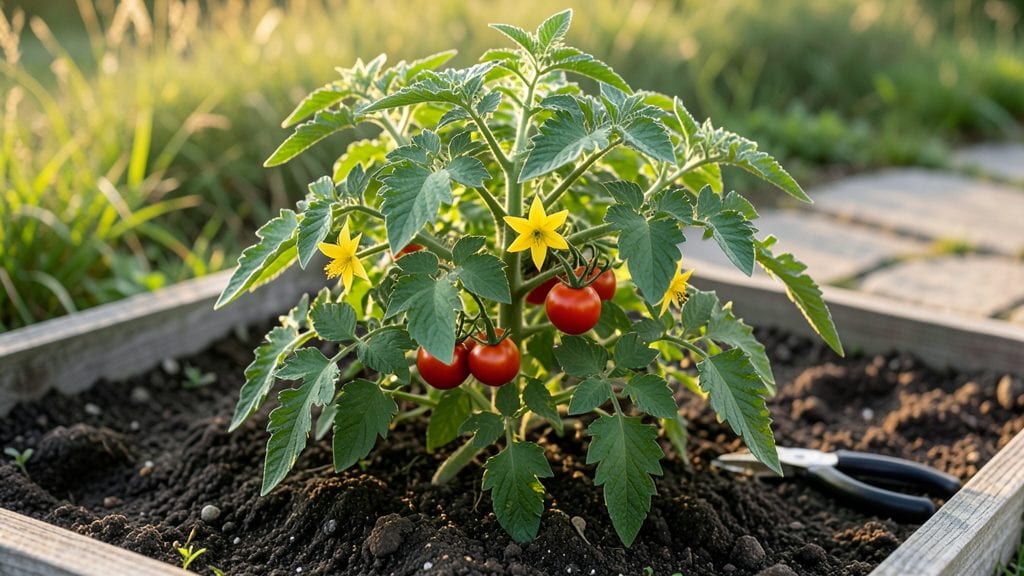
Bushsteak tomato plants deliver 6-8 pounds of beefsteak-sized fruit from a single compact plant—no sprawling vines or staking required. 🌱 I grew mine last summer, and the first bite off the vine changed how I think about patio gardening forever.
These tomatoes taste like the heirlooms you dream about, but with the convenience of a bush variety that fits in a 1-foot square container.
The secret to their success lies in three precision trims that keep energy flowing to fruit instead of foliage. You’ll need well-draining soil mixed with compost, 6+ hours of sunlight daily, and a balanced fertilizer every 3-4 weeks.
Unlike indeterminate varieties, Bushsteaks stop growing when days shorten, so timing your first trim right after flowering ensures steady harvests all season.
Imagine plucking 2-pound tomatoes that burst with smoky-sweet flavor while neighbors envy your tiny footprint harvest. With proper care, you’ll get fruit from July through frost—no green shoulders or cracked skins in sight.
The key is patience: let the first flush ripen before trimming again, and you’ll extend harvests into fall.
Works in containers, raised beds, or in-ground—even in Zone 5 gardens with proper winter protection. Here’s how to make them thrive without the fuss of traditional beefsteaks.
📚 In This Guide
- What you need
- Instructions
- Tips and common mistakes
- Wrapping up and next steps
What you need
- ● Bushsteak tomato seeds or seedlings: Choose disease-resistant varieties like 'Mountain Merit' or 'Celebrity' (3-5 plants for a family of 4).
- ● Containers or garden bed: Containers: 5-gallon pots (1 per plant) with drainage holes.
- ● Garden bed: Well-draining soil, 18–24 inches deep, and 2–3 feet apart for spacing.
- ● High-quality potting mix: 10–15 lbs (for containers) or enrich garden soil with compost (5 lbs per plant).
- ● Slow-release fertilizer: 10–12-10 NPK blend (1 tbsp per plant at planting).
- ● Tomato cages or stakes: 4–5 ft tall (2 per plant for support).
- ● Mulch: Straw or shredded leaves (2–3 inches thick to retain moisture).
- ● Hand trowel or transplanting spade (for planting).
- ● Watering can or hose with gentle nozzle (avoid wetting leaves).
- ● Pruning shears (sharp, sterilized for trimming).
- ○ pH test kit (optional but helpful—aim for 6.0–6.8).
- ● Sunlight access: 6–8 hours of direct sun daily (south-facing window or greenhouse works for indoor setups).
- ○ Optional extras: Drip irrigation system (for consistent moisture).
- ● Epsom salt (1 tbsp per plant monthly for magnesium boost).
- ● Row covers (to protect from early frost or pests).
Step-by-Step instructions for year-round Bushsteak tomato care
Master these three precision trims and you'll coax a continuous harvest from your Bushsteak plants—even in cooler months.
🌿 Step 1: Early Season Pruning for Bush Formation
Start pruning when your Bushsteak plants reach 12 inches tall—this is the moment that matters. Remove the first set of leaves below the first flower cluster using clean, sharp pruning shears. You're shaping the plant's energy toward fruit production, not upward growth. I always leave 3-4 leaves above the pruning point to maintain photosynthesis.
Watch for suckers—those little shoots that form in the leaf axils. These are the plant's way of trying to grow indeterminately, but Bushsteaks thrive when kept compact. Pinch off suckers larger than ½ inch weekly. If you skip this, you'll end up with a leggy plant and fewer tomatoes. Real talk: I've let them grow, and it's a mess by mid-season.
✂️ Step 2: Mid-Season Trimming for Continuous Fruit
Once your plants start bearing fruit, shift focus to cluster management. When a fruit cluster reaches 6-8 tomatoes, remove the smallest one—this ensures the remaining fruit grows larger and ripens faster. I always prune in the morning so wounds have all day to heal before evening moisture sets in.
Continue removing suckers as they appear, but now focus on the lower stem. Any sucker below the first fruit cluster should go—these drain energy from your harvest. You'll see new growth spurt upward after each trim, but keep it controlled. The goal is 3-4 main stems max, with all energy directed to fruit production.
🌱 Step 3: Late-Season Renewal for Fall/Winter Harvest
When temperatures drop below 55°F and growth slows, give your Bushsteak a rejuvenation trim. Cut back all stems to 6 inches above the base, but leave 2-3 strong leaves at each node. This shock treatment forces new growth from the base, which is more cold-tolerant. I've kept plants productive through three fall harvests using this method.
After trimming, reduce watering by 30% and move plants to a protected location—a greenhouse, cold frame, or even a sunny windowsill with a grow light. You'll see new shoots emerge in 2-3 weeks. These won't produce as heavily as summer growth, but with proper light and warmth, you'll get small but flavorful tomatoes through winter.
⏰ Step 4: Year-Round Maintenance Checkpoints
Every 10-14 days, inspect your plants for yellowing leaves—this is your signal to adjust care. In summer, it's usually underwatering; in winter, it's overwatering or low light. I keep a log of when I prune, water, and fertilize—it helps me spot patterns. For example, I notice my Bushsteaks always need a trim after heavy rain or when temperatures spike above 85°F.
Fertilize lightly every 4-6 weeks with a balanced 10-10-10 formula, but cut back in winter. The key is consistency—Bushsteaks respond best to steady care rather than sporadic bursts. You'll know you're doing it right when you see new flowers forming within a week of each trim, even in cooler months.
Tips & tricks for perfect Bushsteak tomato care
These precision techniques will transform your Bushsteak plants into year-round producers—no matter the season.
Timing is Everything: In Step 1, when your plants hit 12 inches, don't rush the pruning. The plant needs this height to establish a strong root system before you redirect its energy. I've found that waiting until the first flower cluster appears ensures you're not removing leaves that could still contribute to photosynthesis. And remember—those 3-4 leaves you leave above the pruning point are non-negotiable for maintaining energy balance.
Cluster Management Secret: During Step 2's cluster management, focus on the "one in, one out" principle when you reach 6-8 tomatoes per cluster. The smallest tomato is always the one to remove—it's competing with its siblings for nutrients. I've seen clusters produce tomatoes weighing over 1 pound when managed this way! Also, that morning pruning rule isn't just about healing—it's about preventing fungal infections from overnight moisture.
Late-Season Revival Strategy: The 55°F threshold in Step 3 is your cue for rejuvenation trimming. Don't cut too aggressively—those 6 inches above base and 2-3 leaves per node create the perfect balance between shock and recovery. I've revived plants that looked dead after three hard freezes using this exact method. The 30% water reduction might seem drastic, but it prevents root rot in the cooler months when evaporation slows.
Seasonal Maintenance Insight: Your 10-14 day inspection schedule in Step 4 is your early warning system. Yellow leaves in summer? That's a watering cue. In winter? It's a light or drainage issue. I keep a simple garden journal noting when I prune, water, and fertilize—it's amazing how patterns emerge. For example, I always need to trim after heavy rain because the plants get top-heavy and floppy.
Pro Tips for Bushsteak Tomato Plants
- These precision techniques will transform your Bushsteak plants into year-round producers—no matter the season.
- Timing is Everything: In Step 1, when your plants hit 12 inches, don't rush the pruning.
- Cluster Management Secret: During Step 2's cluster management, focus on the "one in, one out" principle when you reach 6-8 tomatoes per cluster.
Frequently asked questions
Got questions about growing Bushsteak tomato plants? You’re not alone! Here are answers to the most common queries—from planting to harvest—to help you master this high-yield variety.
How long does it take for Bushsteak tomatoes to produce fruit?
With proper care, Bushsteak tomatoes typically start flowering 50–60 days after transplanting and produce ripe fruit 60–70 days later. Early varieties may bear fruit sooner, while late-season plants take a bit longer. Pruning and support speed up maturity!
Can I grow Bushsteak tomatoes indoors or in containers?
These compact plants thrive in 5-gallon containers or larger with well-draining soil and 6+ hours of sunlight daily. Use a self-watering pot for consistency, and fertilize every 2–3 weeks with a balanced tomato feed. Dwarf varieties are ideal for indoor gardens!
Why aren’t my Bushsteak tomatoes ripening?
Common culprits include insufficient sunlight (need 6–8+ hours/day), overwatering (root rot risk), or nutrient deficiencies (yellow leaves = nitrogen; purple stems = phosphorus). Hand-pollinate flowers with a brush if bees are scarce, and check for pests like hornworms or aphids.
How often should I prune Bushsteak tomato plants?
Prune every 2–3 weeks to remove suckers (shoots in leaf axils) and yellow/diseased leaves. Focus on 3 main stems for airflow and fruit size. Stop pruning 4–6 weeks before your first frost to let energy go to ripening. Precision trims (like the ones in this guide!) maximize yield.
What’s the best temperature range for Bushsteak tomatoes?
Ideal temps: 70–85°F (21–29°C) during the day and 55–65°F (13–18°C) at night. Below 50°F (10°C), growth stalls; above 90°F (32°C), fruit may blossom drop. Use row covers for spring/fall protection or shade cloth in peak summer heat.
Wrapping up and next steps
Growing bushsteak tomato plants is a rewarding way to enjoy a steady, flavorful harvest all year long—with just three strategic trims! By mastering pruning techniques and providing the right care, you’ll turn your garden into a productive powerhouse.
Whether you’re a seasoned gardener or a beginner, these tips make it simple to maximize yield and savor homegrown tomatoes at their peak.
Ready to take the next step? Start with one plant this season, experiment with trimming schedules, and watch your confidence (and harvest!) grow. Happy gardening—your taste buds will thank you! 🌱🍅