
Pruning
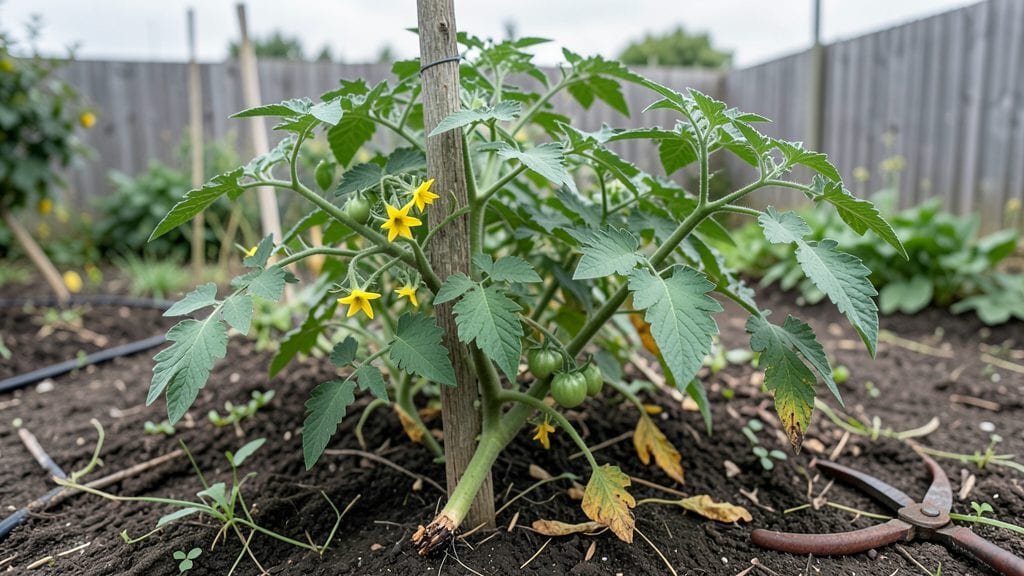
Do you need to trim tomato plants?—it’s the secret to turning a scrawny handful of fruits into a bursting bucket of ripe tomatoes, and I learned that lesson the hard way after neglecting mine. own weight with half its energy wasted on useless branches.
The right cuts redirect that energy straight to the fruit where you want it.
You only need three basic tools: sharp pruning shears, a pair of gloves, and about 20 minutes on a sunny morning. The goal is simple—remove anything that steals from the main stems or blocks airflow.
That means suckers (those little shoots between the main stem and branches), diseased leaves, and any branches growing toward the center of the plant. Even my black thumb can't mess this up once you know what to look for.
Your harvest will thank you with larger, sweeter tomatoes that ripen faster and stay disease-free. The plants stay strong enough to support their own weight, and you'll spend less time propping them up.
Best of all, the process gets easier every time you do it—once you see how much more productive a trimmed plant is, you'll never go back.
Works for both determinate (bush) and indeterminate (vining) varieties, though the approach differs slightly. Here's how to do it right without overdoing it—because even tomatoes need some branches to hold onto their dignity.
📚 In This Guide
- What you need
- Instructions
- Tips and common mistakes
- Wrapping up and next steps
What you need
- ● Pruning shears or sharp bypass pruners – Look for sterilized, sharp blades (3–4 inches long) to avoid damaging stems.
- ● Disinfectant (rubbing alcohol or bleach solution) – 1 part bleach to 9 parts water to clean tools between cuts and prevent disease.
- ○ Gloves (optional but recommended) – Wear gardening gloves to protect your hands from thorns and sap.
- ● Garden twine or soft plant ties – For staking or supporting trimmed plants (if needed).
- ● Stakes or cages (if pruning indeterminate varieties) – 5–6 foot tall stakes or sturdy cages for support.
- ● Sharp knife or scissors (backup) – For smaller cuts if shears aren’t available.
- ○ Plant growth regulator (optional) – Follow label instructions to slow excessive growth if needed.
- ● Mulch (straw or shredded leaves) – Helps retain moisture and protect trimmed areas.
- ● Garden journal or notepad – Track pruning dates and plant responses for future reference!
- ● Safety glasses – If working near thorny or large plants.
Step-by-step guide to pruning tomato plants for healthier growth
Here’s how to shape your tomato plants for stronger stems and bigger yields—no guesswork involved.
Identify and Remove Suckers Early
Suckers are the small shoots that grow in the crotch between the main stem and a branch. They drain energy from your plant instead of letting it focus on fruit production. Pinch them off when they’re still small—about the size of a pencil—using your fingers or clean pruning shears. I check for suckers every 5 to 7 days during the growing season, especially after heavy rain or watering, when new growth appears fastest.
Start pruning when your plant reaches about 18 inches tall. If you wait too long, suckers can grow thick and woody, making them harder to remove without damaging the plant. Focus on the lower third of the plant first, as these suckers compete directly with your main fruit clusters.
Prune Lower Leaves for Airflow and Disease Prevention
Remove any leaves that touch the soil or hang below the first flower cluster. These leaves trap moisture, creating a breeding ground for fungal diseases like blight. Use sharp pruning shears to make clean cuts just above a leaf node or branch. I aim to leave about 12 to 18 inches of stem between the soil and the lowest remaining leaf—this keeps airflow circulating and reduces humidity at the base.
Don’t overdo it—you don’t want to strip the plant bare. Leave enough foliage to provide shade for developing fruit while still allowing sunlight to reach the lower branches. If your plant is small or struggling, hold off on heavy pruning until it’s established.
Thin Fruit Clusters for Larger, Healthier Tomatoes
Once your tomato plant starts flowering, you’ll see clusters of 5 to 10 small tomatoes forming. To encourage bigger, juicier fruit, thin each cluster down to 3 to 5 tomatoes, depending on the variety. Gently twist off the smallest or weakest-looking tomatoes at the base—don’t pull them, as this can damage the stem. I focus on leaving the largest, healthiest-looking tomatoes in each cluster, as these have the best chance of reaching full size.
Thinning isn’t just about quantity—it’s about quality. Overcrowded fruit competes for nutrients, leading to smaller, misshapen tomatoes. After thinning, give your plant a light watering to help it recover. This step is especially important for indeterminate varieties, which produce fruit continuously throughout the season.
Maintain the Plant’s Shape as It Grows
As your tomato plant grows taller, keep an eye on its structure. If branches start to sag or rub against each other, they’ll break or develop wounds that invite disease. Use soft plant ties or small stakes to support heavy branches without restricting growth. I also check for any yellowing or diseased leaves weekly—remove them immediately to prevent spread.
For indeterminate tomatoes, continue pruning suckers and thinning fruit clusters every 10 to 14 days throughout the growing season. Determinate varieties, which grow to a fixed size, need less maintenance but still benefit from occasional leaf removal to improve airflow. Stop pruning about 4 to 6 weeks before your first expected frost to allow remaining fruit time to ripen.
Tips & tricks for pruning tomato plants for bigger harvests
Pruning tomato plants might seem intimidating, but these simple tricks will help you avoid common mistakes and maximize your garden's potential.
Timing is Everything: When you start pruning at the 18-inch mark, focus on the lower third first. This is where suckers and leaves compete most directly with your main fruit clusters. I've found that removing these early gives your plant a strong foundation for growth. Remember, the goal is to redirect energy from unnecessary growth to fruit production, so don't be afraid to be aggressive with your cuts in these early stages.
The Right Tools Make All the Difference: Using clean pruning shears is crucial for making precise cuts just above leaf nodes. I keep a small bottle of rubbing alcohol with me to wipe down my shears between cuts—this prevents spreading disease from one part of the plant to another. For suckers that are still small (about the size of a pencil), my fingers work perfectly fine, but for larger growth, sharp shears make the job easier and cleaner.
Airflow is Your Best Friend: When you're leaving that 12 to 18 inches of stem between soil and lowest leaf, think of it as creating a chimney effect. This space allows warm air to circulate, which helps prevent fungal diseases like blight. I've seen plants with poor airflow develop problems even when everything else was perfect. After heavy pruning, I always give the plant a light watering to help it recover and maintain that crucial airflow.
Quality Over Quantity: When thinning fruit clusters to 3 to 5 tomatoes, focus on the largest, healthiest-looking ones. I've learned the hard way that keeping weak tomatoes just because there's space leads to smaller, less flavorful fruit. After thinning, I always give the plant a light watering to help it recover from the stress of removing some of its potential fruit. This step is especially important for indeterminate varieties that keep producing throughout the season.
Pro Tips for Do You Need To Trim Tomato Plants
- Pruning tomato plants might seem intimidating, but these simple tricks will help you avoid common mistakes and maximize your garden's potential.
- Timing is Everything: When you start pruning at the 18-inch mark, focus on the lower third first.
- The Right Tools Make All the Difference: Using clean pruning shears is crucial for making precise cuts just above leaf nodes.
Frequently asked questions
Got questions about trimming tomato plants? You’re not alone!
Here are answers to the most common concerns—from timing to tools and everything in between.
When is the best time to trim tomato plants?
Trim your tomato plants early and often—start when they’re 12–18 inches tall. For indeterminate varieties (like cherry tomatoes), prune throughout the growing season to encourage bushier growth. Determinate tomatoes (like Roma) need minimal pruning—just remove suckers and damaged leaves. Pro tip: Do it in the morning when plants are dry to reduce disease risk.
What tools do I need to trim tomato plants?
You don’t need fancy tools—just clean, sharp pruning shears or scissors (sterilized with rubbing alcohol). Avoid dull tools, as they can tear stems and invite pests. For large plants, gloves protect against thorns and sap irritation. Skip the hedge trimmers! They’re too aggressive and can damage the plant.
Will trimming tomato plants reduce my harvest?
Not if done right! Pruning increases yields by directing energy to fruit production. Removing suckers (those little shoots in the leaf axils) and lower leaves improves airflow, reducing disease. Key rule: Never trim more than ⅓ of the plant at once. Over-pruning stresses tomatoes and can cut production. Think of it like a haircut—too much too soon, and you’re left with a sad little plant!
What should I do if I missed trimming early in the season?
No stress—it’s never too late! Focus on removing dead or diseased leaves first (they’re a magnet for pests). For indeterminate tomatoes, trim suckers up to the first flower cluster. Skip heavy pruning late in the season (after July), as new growth won’t ripen before frost. Better late than never!
Can I trim tomato plants after rain or when they’re wet?
Wait until plants are completely dry—wet leaves or stems can spread fungal diseases like early blight. If you must trim after rain, do it in the morning so foliage dries quickly in sunlight. Bonus tip: Avoid pruning during high humidity (like muggy afternoons). Think of it like waiting to mow the lawn—wet grass clumps, and so do tomato leaves!
Are there alternatives to pruning tomato plants?
Yes! If pruning feels overwhelming, try these low-maintenance options:
- Staking or caging: Supports vertical growth naturally, reducing the need for heavy pruning.
- Mulching: Keeps soil moist and cool, encouraging strong root growth (which supports more fruit).
- Succession planting: Space out plantings so you’re not overwhelmed with one giant harvest.
But remember—pruning is the fastest way to maximize flavor and yield!
Wrapping up and next steps
Trimming your tomato plants isn’t just about aesthetics—it’s a game-changer for bigger, healthier harvests! 🌱 By mastering the three key cuts (suckers, lower leaves, and damaged growth), you’ll boost airflow, prevent disease, and direct energy to fruit production.
Whether you’re a seasoned gardener or a curious beginner, these simple steps will transform your garden into a thriving tomato powerhouse.
Ready to elevate your harvest? Grab your pruners, roll up your sleeves, and give your plants the care they deserve. Start small—just one plant at a time—and watch your tomatoes flourish! 🍅✨ Happy pruning!