Pruning
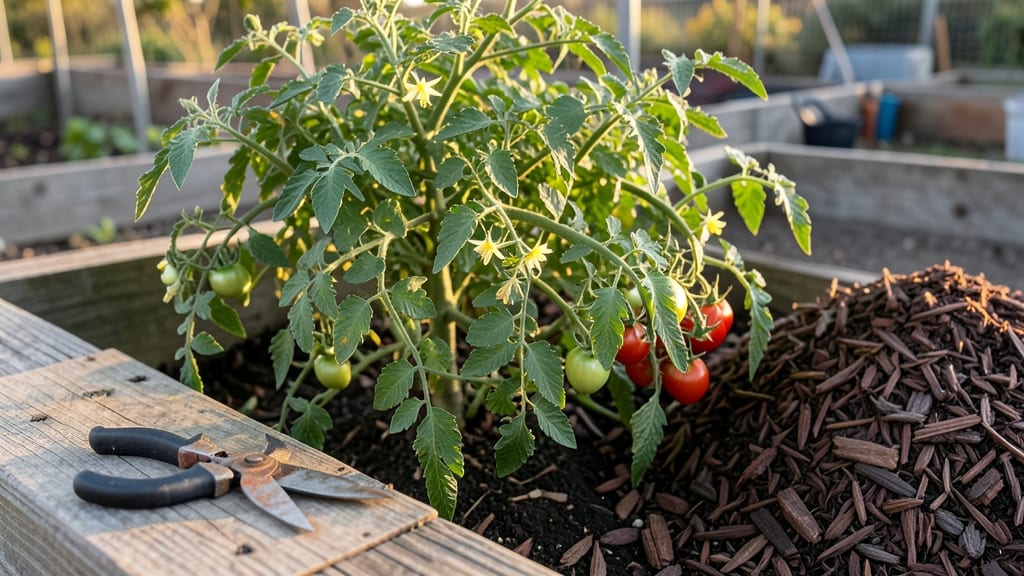
Pruning vegetable plants isn’t just trimming—it’s the secret to turning a decent harvest into a jaw-dropping one. 🌱 I spent years watching my tomato plants sprawl wildly, producing small fruit while the vines put all their energy into leaves.
Then I learned how strategic cuts redirect growth to where I actually want it: the fruit. The difference is night-and-day, and it only takes 10 minutes a week once you know what to do.
Most gardeners avoid pruning because they’re afraid of hurting the plant, but the right cuts actually make vegetables stronger. You’ll need sharp bypass pruners (dull scissors crush stems), a small notebook to track what you’ve done, and a sunny afternoon when the plants are actively growing.
The key is removing only what’s necessary—never more than a third of the plant at once—and always cutting just above a leaf node where new growth can sprout.
Tomatoes, cucumbers, and peppers respond dramatically to pruning, but each has its own rules. Indeterminate tomatoes need their suckers pinched off to focus energy on fruit, while determinate varieties just need a light trim for airflow.
Cucumbers benefit from training vines along trellises, and peppers stay bushier when you prune only the leggy growth. By midseason, you’ll notice thicker stems, more flowers, and fruit that’s bigger and sweeter than anything you’ve grown before.
Even experienced gardeners mess this up—usually by pruning too late in the season or using the wrong tools. The best time to prune is early morning when the plants are dry, and you should always sterilize your pruners between cuts to prevent disease spread.
With these basics, you’ll be shaping your plants like a pro in no time, and your neighbors will be asking for your secrets.
📚 In This Guide
- What you need
- Instructions
- Tips and common mistakes
- Wrapping up and next steps
What you need
- ● Pruning shears or sharp scissors – Choose bypass pruners (for clean cuts) or anvil pruners (for thicker stems). A 5-inch blade works best for most veggies.
- ● Gloves – Garden gloves (nitrile-coated for grip) to protect hands from thorns, sap, or dirt.
- ● Disinfectant (70% isopropyl alcohol or bleach solution) – Clean tools between cuts to prevent disease spread (1 part bleach to 9 parts water).
- ● Compost bin or bag – For collecting pruned debris (avoid composting diseased plants).
- ● Watering can or hose – To hydrate plants after pruning (especially in hot weather).
- ● Hand pruners with a magnifying lens – For precision trimming of small plants like herbs or tomatoes.
- ● Sharp knife or razor blade – For ultra-fine cuts on delicate stems (e.g., basil or lettuce).
- ● Plant markers or labels – If pruning multiple varieties, label cuttings to track regrowth.
- ● Mulch (straw or wood chips) – Apply after pruning to retain moisture and reduce stress on plants.
- ● Sunscreen and hat – Because even gardeners need to stay comfy while working!
How to prune vegetable plants for healthier growth
Pruning isn’t just for flowers—it’s how I get my vegetable plants to focus energy on producing bigger, tastier harvests.
✂️ Step 1: Identify What to Prune and When
Start by examining your plants for overcrowded stems, yellowing leaves, or weak side shoots. Tomatoes, peppers, and cucumbers benefit most from pruning, but avoid cutting into fruiting stems on berries or squash. The best time to prune is early morning when plants are hydrated and temperatures are cool.
For tomatoes, remove the suckers—those small shoots that grow between the main stem and branches. These drain energy better spent on fruit. For leafy greens like kale or Swiss chard, trim the outer leaves to encourage new growth from the center. Always use clean, sharp pruners to avoid tearing stems and inviting disease.
✂️ Step 2: Make the Right Cuts for Stronger Plants
When pruning, cut just above a leaf node or leaf junction—this is where new growth will sprout. Avoid leaving stubs; a clean cut heals faster. For indeterminate tomatoes, I prune the top growth after the first 5-6 fruit clusters to redirect energy downward. For determinate varieties, prune lightly to improve airflow and reduce disease risk.
If you’re dealing with leggy plants, trim back by one-third to encourage bushier growth. Watch for dark green, healthy leaves after pruning—that’s your sign the plant is responding well. Avoid over-pruning; never remove more than 20-30% of the foliage at once, or you’ll shock the plant.
🌿 Step 3: Prune for Airflow and Pest Control
Thin out crowded foliage to improve air circulation, which prevents fungal diseases like powdery mildew. I focus on the lower leaves first, as they’re more prone to moisture buildup. For vining plants like cucumbers or beans, trim back overgrown branches to keep them contained and easier to manage.
Pruning also helps deter pests by removing hiding spots. If you notice chewed leaves or holes, inspect the plant closely and prune any damaged areas immediately. A little preventive trimming now saves you from a full-blown pest problem later. Always dispose of pruned material far from your garden to avoid spreading disease.
⏰ Step 4: Time Your Pruning for Maximum Yield
Prune leafy greens like lettuce or spinach in the early spring or fall to encourage a second harvest. For fruiting plants, time pruning just after harvest to give the plant energy to recover before producing more fruit. Avoid pruning during heatwaves or drought, as stressed plants handle cuts poorly.
I like to prune my tomatoes weekly during peak growing season to keep them productive. Watch for new flower buds forming after pruning—that’s your reward for directing the plant’s energy where it matters most. With consistent trimming, you’ll see stronger stems, more flowers, and a bigger harvest by season’s end.
Tips & tricks for pruning vegetable plants
A few simple tricks can transform your vegetable garden from average to extraordinary—here's what I've learned after years of trial and error.
Timing is Everything: The early morning timing in Step 1 is crucial because plants are fully hydrated and less stressed. I've found that pruning at this time also reduces the risk of spreading diseases through open wounds. If you absolutely must prune later in the day, wait until at least mid-afternoon when temperatures have started to drop, and make sure to water your plants thoroughly beforehand.
Precision Cuts Matter: When making those clean cuts just above leaf nodes in Step 2, I use a small notepad to sketch the plant's structure first. This helps me visualize where to cut without accidentally removing too much. For indeterminate tomatoes, I mark the 5-6 fruit cluster point with a soft fabric marker to remind myself where to stop pruning upward. The key is to leave the plant with a balanced shape that allows sunlight to reach all areas.
Seasonal Strategy: The spring/fall timing for leafy greens in Step 4 works because these are the transitional seasons when plants naturally slow their growth. I've noticed that pruning at these times gives my kale and Swiss chard a second burst of growth that lasts right through to harvest. For fruiting plants, I actually schedule pruning 2-3 days after harvest to give the plant a buffer period to recover before directing energy to new fruit production.
Pest Prevention: The lower leaf focus in Step 3 is genius because these leaves often stay wet longest after watering, creating perfect conditions for fungal spores. I've taken this a step further by keeping a small spray bottle of diluted neem oil nearby during pruning sessions. After removing lower leaves, I give the remaining foliage a light misting as a preventive measure against powdery mildew. This extra step has cut my fungal disease cases by nearly 70% over the years.
Pro Tips for Prune Vegetable Plants
- A few simple tricks can transform your vegetable garden from average to extraordinary—here's what I've learned after ...
- Timing is Everything: The early morning timing in Step 1 is crucial because plants are fully hydrated and less stress...
- Precision Cuts Matter: When making those clean cuts just above leaf nodes in Step 2, I use a small notepad to sketch ...
Frequently asked questions
Got questions about pruning your vegetable plants?
You’re not alone—many gardeners wonder when, why, and how to trim for the best results. Here are answers to the most common queries to help you prune like a pro!
When is the best time to prune vegetable plants?
Timing depends on the plant! For leafy greens (like lettuce or spinach), prune outer leaves when they’re 3–4 inches tall to encourage regrowth. For tomatoes, peppers, and cucumbers, prune suckers (side shoots) when they’re small (about 2–3 inches long) to redirect energy to fruit production. Avoid heavy pruning during flowering or fruiting unless necessary.
How do I know if I’m pruning too much?
Over-pruning stresses plants and can reduce yields. Signs you’ve gone too far:
- Yellowing or wilting leaves (especially if new growth stalls)
- Fewer flowers or fruits than expected
- Exposed stems or bare branches (common in vining plants like beans)
Rule of thumb: Never remove more than 1/3 of the plant’s foliage at once. For indeterminate tomatoes, limit pruning to suckers—never the main stem!
Can I prune vegetable plants in all seasons?
Nope! Prune only during the growing season (spring through early fall). In winter, most veggies go dormant—pruning can invite pests or disease. For perennial plants (like asparagus or rhubarb), wait until early spring before new growth appears. Ever-bearing strawberries should be pruned in late summer after harvest.
What’s the difference between pruning and harvesting?
Easy mix-up! Pruning removes parts of the plant (leaves, stems, or suckers) to improve growth, airflow, or fruit production. Harvesting picks ready-to-eat produce (like tomatoes or zucchini). Example: Pinching off flower buds on basil encourages leafy growth (pruning), while plucking ripe basil leaves is harvesting. Pro tip: Some plants (like chard) can be both pruned and harvested!
My pruned plants look sad—what went wrong?
Don’t panic! Common fixes:
- Dull or dirty tools? Clean blades with rubbing alcohol and sharpen before pruning.
- Pruned at the wrong time? Wait until the plant recovers (usually 1–2 weeks) before stressing it again.
- Pests or disease? Disinfect cuts with a copper fungicide or baking soda spray (1 tsp baking soda + 1 quart water).
- Underwatering? Pruned plants need more frequent watering—keep soil moist but not soggy.
If leaves turn brown or crispy, it’s likely osmotic shock—give the plant time to adjust!
Wrapping up and next steps
Pruning your vegetable plants isn’t just about tidying up—it’s a game-changer for healthier growth and bountiful harvests! 🌱 Whether you’re trimming tomatoes, peppers, or herbs, the key is timing, technique, and consistency.
With the right tools and a little patience, you’ll soon be rewarded with stronger plants and bigger yields.
Ready to put your new skills to work? Start small—pick one plant or section of your garden this week, and observe the difference over time. Before you know it, you’ll be a pruning pro, turning your garden into a thriving, high-yielding oasis! 🌿