
Pruning
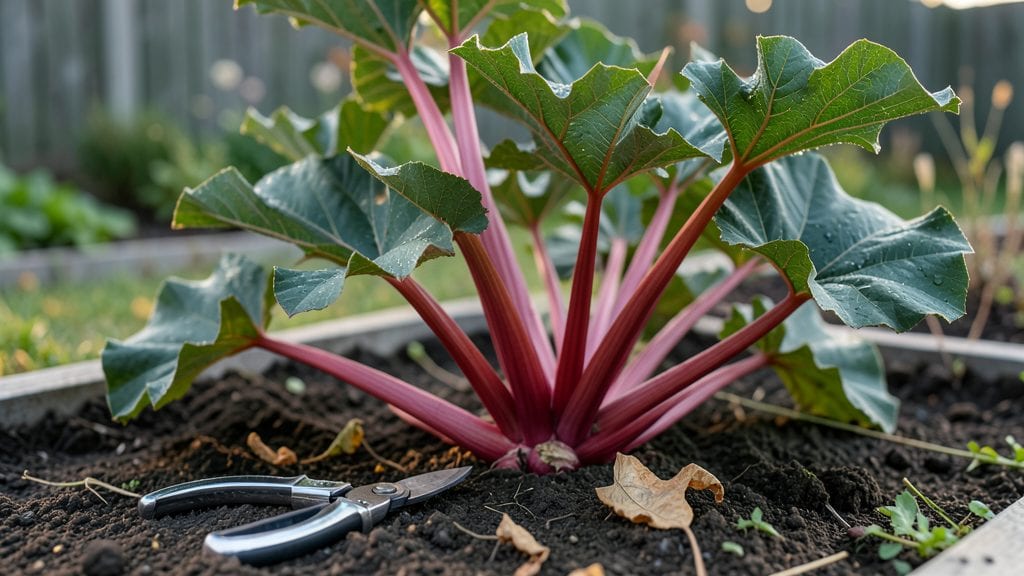
Trimming rhubarb plants in early spring unlocks a harvest that rivals any grocery store. 🌿 I learned the hard way that skipping this step means fewer stalks, weaker regrowth, and a plant that struggles to keep up with your harvesting pace.
The right cuts at the right time turn a scraggly clump into a powerhouse producer.
You’ll need sharp pruners (dull blades crush stalks), a clean bucket for discarded leaves, and a sunny day after the last frost. The key is timing: cut when new shoots are 6–8 inches tall, but before they flower.
Three strategic cuts—removing dead leaves, thinning crowded stalks, and shaping the crown—make all the difference. Most gardeners overlook the crown cleanup, which is where the magic happens.
Within weeks, you’ll see fresh green shoots pushing through the soil, thicker and more vigorous than before. The stalks you harvest later in the season will be longer, brighter, and more tender—no more tough, fibrous surprises.
This method works for both first-year plants and established clumps, though older plants need extra care to stay productive.
Here’s the secret: don’t rush. A well-trimmed rhubarb plant rewards patience with years of reliable harvests. Now grab those pruners—your first perfect stalk is closer than you think.
📚 In This Guide
- What you need
- Instructions
- Tips and common mistakes
- Wrapping up and next steps
What you need
- ● Pruning shears or secateurs: Sharp, clean, and sterilized (70% isopropyl alcohol works great!). Choose bypass-style shears for precision cuts.
- ● Garden gloves: A pair of cut-resistant gloves (size medium/large) to protect your hands from thorns and rough stems.
- ● Garden twine or rubber bands: A small roll (50 ft) to tie up crowded stalks or mark sections for trimming.
- ○ Disinfectant spray (optional but recommended): A 10% bleach solution (1 part bleach to 9 parts water) to sterilize tools between cuts and prevent disease.
- ● Garden kneeler/pad: A durable, cushioned pad to keep you comfortable while working close to the ground.
- ● Timing: Trim rhubarb in early spring (March–April) before the plant sends up flower stalks (they sap energy from the roots!).
- ● Weather: Choose a cool, overcast day or trim in the early morning to reduce stress on the plant.
- ● Plant age: Only trim mature rhubarb plants (2+ years old)—young plants need all their energy to establish roots.
- ● Health check: Inspect plants for pests (slugs, aphids) or disease (rust, crown rot) before trimming. Treat issues first!
- ● Compost bin or bucket: Collect trimmed stalks for free compost (rhubarb leaves are nutrient-rich!).
- ● Plant marker flags: Label sections if you’re dividing the plant later in the season.
- ● Hand lens or magnifier: Helpful for spotting early signs of disease on leaves or stems.
- ● Pruning saw (for thick stalks): Only needed if your rhubarb has abnormally thick, woody stalks (rare but possible in older plants).
Step-by-step guide to trimming rhubarb plants
Here's how I revive my rhubarb after winter with cuts that boost next year's harvest.
✂️ Step 1: Remove Last Year's Stalk Remnants
Start by cutting away any dead or leftover stalks from last season. Use clean, sharp pruners to snip at the base where stalks meet the crown. This prevents disease and makes room for new growth. I like to do this in early spring when the soil is workable but before new shoots appear.
Watch for any blackened or mushy stalks—these are signs of rot and should be discarded immediately. Healthy stalks will be firm and upright. Cutting these remnants also lets sunlight reach the crown, which stimulates new growth. Don't rush this step—take your time to ensure you're not accidentally damaging the crown itself.
✂️ Step 2: Trim Dead or Weak Foliage
Next, inspect the leaves. Any yellow, brown, or wilted leaves should be removed completely. Use your hands to gently pull them off or cut them at the base with pruners. Healthy leaves should be vibrant green and firm to the touch. This step prevents pests and diseases from taking hold in damaged foliage.
I usually do this after the first flush of new growth appears, around late March or early April in my zone. You'll know you're ready when you see fresh green shoots emerging from the center of the plant. Removing old leaves also helps redirect the plant's energy toward producing strong new stalks.
✂️ Step 3: Cut Back Overgrown or Crowded Stalks
Once new stalks reach about 12 inches tall, it's time to thin them out. Look for stalks that are growing too close together or are weak and spindly. These compete with stronger stalks for nutrients and sunlight. Cut them back to the ground using clean pruners, leaving only the healthiest stalks.
I aim to leave about 4-6 of the strongest stalks per plant, depending on the size of the crown. This spacing ensures each stalk gets enough room to grow thick and juicy. After thinning, give the plant a light watering to help it recover. You'll see new side shoots emerge from the base within a few weeks—these are your future harvest.
✂️ Step 4: Shape the Plant for Airflow (Optional)
For established plants, you can lightly shape the plant to improve airflow. Gently spread any crowded stalks outward and trim any crossing growth that might rub against others. This prevents disease and encourages straighter, healthier stalks. I only do this if the plant looks particularly dense or if last year's growth was very vigorous.
This step is more about maintenance than revival, but it pays off in the long run. A well-shaped rhubarb plant produces stalks that are easier to harvest and store. After shaping, I like to add a 2-inch layer of mulch around the base to retain moisture and suppress weeds. Now sit back and watch those stalks thicken up for a bountiful harvest!
Tips & tricks for perfect rhubarb plant trimming
These simple strategies will help you revive your rhubarb plants with confidence—and avoid common mistakes that can set back your harvest.
Timing Secret: The early spring window for Step 1 is crucial—aim for when soil is workable but before new shoots emerge. I check soil temperature first: it should be above 45°F for safe pruning. Working too early can stress the plant, while waiting too long risks missing the optimal growth window.
Tool Tip: Use clean, sharp pruners for every cut—dull tools crush stalks and leave jagged edges that invite disease. I sterilize my pruners with rubbing alcohol between plants to prevent cross-contamination. For Step 2, you can also use your fingers to gently pull off weak leaves, but always cut at the base to avoid tearing.
Visual Cues: When thinning in Step 3, look for stalks with a diameter of at least ½ inch at the base—these are your keepers. Thin to 4-6 stalks per plant by cutting at the ground level. The remaining stalks should stand upright without touching each other. This spacing creates room for side shoots to develop into your future harvest.
Optional Upgrade: After completing all steps, consider adding a 2-inch layer of compost around the base instead of regular mulch. The extra nutrients give your rhubarb a boost during its recovery phase. Just keep it 2 inches away from the crown to prevent rot.
Pro Tips for Trim Rhubarb Plants
- These simple strategies will help you revive your rhubarb plants with confidence—and avoid common mistakes that can set back your harvest.
- Timing Secret: The early spring window for Step 1 is crucial—aim for when soil is workable but before new shoots emerge.
- Tool Tip: Use clean, sharp pruners for every cut—dull tools crush stalks and leave jagged edges that invite disease.
Frequently asked questions
Got questions about trimming rhubarb plants?
You’re not alone! Here are answers to the most common queries—so you can confidently give your rhubarb the care it deserves.
When is the best time to trim rhubarb plants?
Trim rhubarb after harvest—typically in late spring or early summer—when the plant has finished its first flush of growth. Avoid trimming in fall or winter, as the plant needs energy to store nutrients for next year’s growth. Pro tip: Wait until the stalks are at least ½-inch thick for the best yield!
How much should I cut back rhubarb in the first year?
First-year rhubarb plants are still establishing roots, so minimize trimming. Only remove damaged or yellowing leaves, and avoid harvesting stalks entirely. Let the plant focus on root growth—this ensures a stronger, more productive plant for years to come.
Can I trim rhubarb leaves? Should I compost them?
Yes! Remove yellow or diseased leaves immediately to prevent pests or disease spread. Healthy leaves can be composted (they’re nitrogen-rich!), but avoid composting if they show signs of rot or fungal issues. Warning: Never eat rhubarb leaves—they contain oxalic acid, which is toxic.
Do I need to trim rhubarb in winter?
No, winter is the worst time to trim rhubarb. Instead, leave the plant be—mulch lightly to protect roots from freezing. If you must clean up, remove dead foliage after the first hard frost, but avoid cutting back stems. The plant is dormant and vulnerable!
What if my rhubarb plant looks sad after trimming?
Don’t panic! A leggy or sparse look after trimming is normal—your rhubarb is redirecting energy to root and stalk growth. Boost recovery by watering deeply, adding compost, and avoiding over-fertilizing. If the crown looks mushy or black, it may be rotting—remove it and replant.
Can I grow rhubarb in containers? How does trimming differ?
Container-grown rhubarb thrives with the same trimming rules, but monitor soil moisture closely—containers dry out faster. Use a large pot (at least 12 inches deep) and trim less aggressively in the first year, as root space is limited. Dwarf varieties like ‘Canada Red’ are ideal for pots!
Wrapping up and next steps
Trimming your rhubarb plants isn’t just about tidying up—it’s the secret to bountiful harvests and healthier growth! By mastering those three strategic cuts in early spring, you’ll encourage stronger stems, more vibrant leaves, and a garden that thrives year after year. 🌱
Ready to transform your rhubarb patch? Grab your pruners, roll up your sleeves, and give your plants the care they deserve. Next, put your new skills to the test—watch your rhubarb flourish and reward you with delicious, homegrown goodness!