
Companion Plants
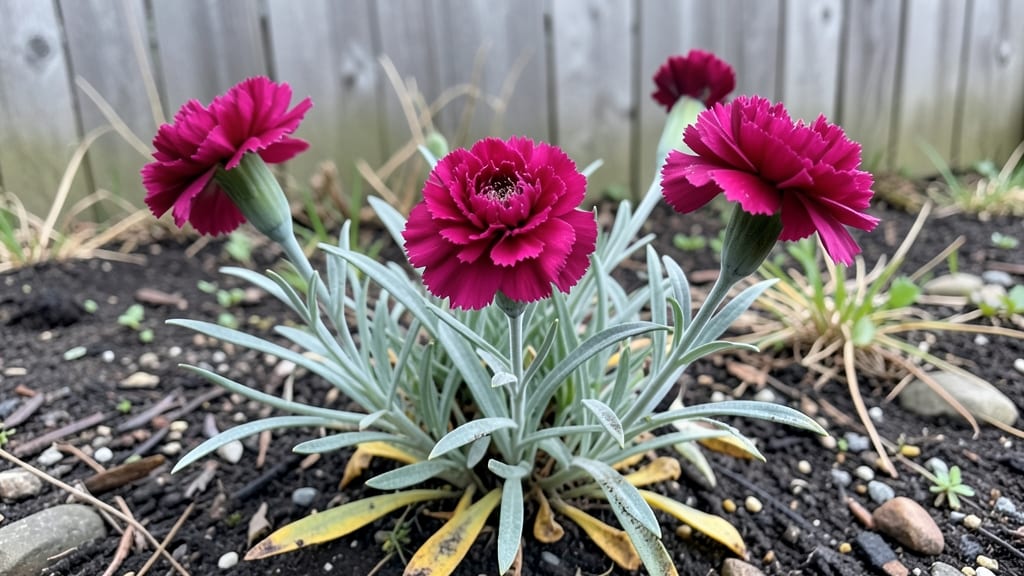
Growing dianthus and carnation plants brings fragrant blooms that naturally deter pests from your garden. 🌸 I’ve learned the hard way that these plants thrive when given the right balance of sun, soil, and spacing—something I missed in my first attempt, leading to leggy stems and sparse flowers.
The key starts with well-draining soil mixed with compost, and planting in full sun for at least 6 hours daily. Annual varieties like sweet william bloom all summer, while perennials (like Dianthus caryophyllus) reward patience with repeat seasons of color.
Water at the base to keep foliage dry—this prevents fungal issues that can ruin blooms.
You’ll notice the difference within weeks: clusters of pink, red, or white flowers that perfume the air and keep aphids away. Prune spent blooms to encourage more flowers, and divide crowded clumps every 2-3 years to keep them vigorous. The fragrance alone makes the effort worth it.
Works for borders, containers, or cutting gardens—just avoid heavy clay soil, and you’re set. Let’s get those fragrant stems growing strong!
📚 In This Guide
- What you need
- Instructions
- Tips and common mistakes
- Wrapping up and next steps
What you need
- ● Dianthus carnation seeds or nursery plants: Seeds: 1–2 packets (50–100 seeds per packet)
- ● OR 3–5 healthy nursery plants (check for vibrant foliage and buds)
- ● Well-draining potting mix or garden soil: 1–2 bags (10–15 lbs each) of cactus/succulent mix (for containers) or amend garden soil with perlite/sand (20–30% by volume)
- ● Containers (if not planting in-ground): 3–6-inch pots (1 plant per pot) or a raised bed (spaced 12–18 inches apart)
- ● Fertilizer: Balanced 10-10-10 or 20-20-20 granular fertilizer (1–2 tbsp per plant)
- ● OR slow-release rose/dianthus-specific pellets
- ● Basic gardening tools: Trowel or small shovel
- ● Pruning shears (for deadheading)
- ○ Gloves (optional but recommended!)
- ● Mulch: Pine bark or straw (1–2 inches) to retain moisture and deter weeds.
- ● Pest control: Neem oil spray (for aphids or spider mites) or companion plants like lavender or marigolds.
- ● Grow lights: LED full-spectrum bulbs (if starting seeds indoors).
- ● Epsom salt: 1 tbsp dissolved in water (monthly for magnesium boost).
- ● Decorative stones: For a polished container garden look!
Step-by-Step guide for planting and caring for dianthus carnations
Here's my foolproof method for growing fragrant, pest-repelling dianthus carnations that thrive with minimal fuss.
🌱 Step 1: Choose the Right Planting Location
Dianthus carnations love full sun—at least 6-8 hours daily. I always pick a spot that gets morning sunlight and afternoon shade in hot climates, as the leaves can scorch otherwise. The soil should drain well because these plants hate soggy roots.
Before planting, loosen the soil to a depth of 12 inches with a garden fork. This helps roots spread easily. If your soil is heavy clay, mix in 1-2 inches of coarse sand or perlite to improve drainage. A slight slope helps water run off quickly after rain.
🌿 Step 2: Plant at the Correct Depth and Spacing
Dig holes twice as wide as the root ball but only as deep as the container the plant came in. Gently remove the plant from its pot and place it in the hole, ensuring the top of the root ball sits just below soil level. Press the soil firmly around the roots to eliminate air pockets.
Space plants 12-18 inches apart for bushy varieties or 18-24 inches apart for taller types. Crowding leads to poor airflow, which invites fungal diseases. Water deeply right after planting to help the soil settle around the roots—you’ll see the soil level drop slightly as it compacts.
💧 Step 3: Water Consistently Without Overdoing It
Water dianthus carnations once a week during the first month to help roots establish, then reduce to every 10-14 days once they’re settled. These plants are drought-tolerant once established, but they won’t forgive soggy soil. Check moisture by sticking your finger 1 inch into the soil—if it feels dry, it’s time to water.
Water at the base of the plant in the morning to reduce evaporation and fungal risks. Avoid wetting the foliage, especially in humid conditions. You’ll notice the leaves perk up after a good drink, and the stems will stay firm rather than flopping.
☀️ Step 4: Feed and Maintain for Long-Lasting Blooms
Apply a balanced, slow-release fertilizer (like 10-10-10) at planting time, then again in early spring. I avoid high-nitrogen fertilizers—they encourage leafy growth at the expense of flowers. Instead, use a low-nitrogen, high-phosphorus formula (like 5-10-5) when buds form to promote blooming.
Deadhead spent flowers regularly by pinching them off just above a set of leaves. This encourages more blooms and keeps the plant looking tidy. Prune leggy stems in early spring to shape the plant and remove any dead or diseased foliage. You’ll see fresh, vibrant growth within a few weeks.
✂️ Step 5: Protect from Pests and Overwinter Properly
Dianthus carnations naturally repel pests like aphids and deer with their strong fragrance, but you may still spot spider mites or whiteflies. Spray the undersides of leaves with neem oil if you notice webbing or tiny insects. I apply it in the evening to avoid burning the foliage in direct sunlight.
In colder climates, mulch around the base with 2-3 inches of straw or shredded leaves after the first frost to insulate the roots. Cut back the foliage by half in late fall to reduce winter damage. In warmer zones, they’ll often bloom year-round with minimal care—just keep the soil slightly moist during dry spells.
Tips & tricks for perfect dianthus carnation care
Here's what nobody tells you about growing these fragrant beauties—tricks that'll make all the difference between struggling plants and show-stopping blooms.
Soil Prep Secret: In Step 1, when loosening soil to 12 inches, I like to add a handful of compost to the bottom of each hole before placing the plant. This gives roots an instant nutrient boost right where they need it most. For heavy clay soil, mix in 1 part perlite to 2 parts soil—this creates better drainage without sacrificing moisture retention. The slight slope mentioned helps, but if your yard is flat, create a mini mound when planting to improve drainage.
Planting Depth Trick: In Step 2, when placing your dianthus, press the soil firmly around the roots but don't compact it too tightly. Think "firm but fluffy"—you want to eliminate air pockets without creating a hard barrier. I use my fingers to gently pat the soil while keeping the root ball slightly elevated above the surrounding soil level. This prevents water from pooling around the base during watering.
Watering Wisdom: The once-weekly watering in Step 3 works perfectly for most climates, but here's the thing: if you notice the leaves starting to wilt slightly by mid-week, that's your plant telling you it's thirsty. In hotter climates, you might need to water every 5-6 days instead. Always water at the base until water runs out the bottom of the hole—this ensures the roots get properly hydrated rather than just the surface soil.
Fertilizer Timing: When applying that low-nitrogen, high-phosphorus fertilizer in Step 4, I recommend splitting the dose into two applications: half when buds first appear and half again when they're about half-open. This gradual feeding prevents over-fertilization which can burn roots. And here's a pro move: mix a little bone meal into the soil at planting time—it provides extra phosphorus for strong root development without the risk of burning.
Pro Tips for Dianthus Carnation Plants
- Here's what nobody tells you about growing these fragrant beauties—tricks that'll make all the difference between struggling plants and show-stopping blooms.
- Soil Prep Secret: In Step 1, when loosening soil to 12 inches, I like to add a handful of compost to the bottom of each hole before placing the plant.
- Planting Depth Trick: In Step 2, when placing your dianthus, press the soil firmly around the roots but don't compact it too tightly.
Frequently asked questions
Got questions about growing dianthus carnation plants? You’re not alone! Whether you’re a beginner or a seasoned gardener, these fragrant beauties can be tricky to master. Below, we’ve rounded up the most common queries to help you cultivate thriving Dianthus with confidence.
How often should I water dianthus carnation plants?
Dianthus prefers moderate moisture but hates soggy roots. Water deeply 1-2 times per week, ensuring the top 1-2 inches of soil dry out between sessions. In hot climates, increase frequency but avoid wetting the foliage to prevent fungal diseases like powdery mildew. Pro tip: Use drip irrigation or water at the base early in the morning for best results!
When is the best time to plant dianthus carnations?
For spring blooms, plant in early spring (after the last frost) or early fall (6-8 weeks before the first frost). Dianthus thrives in cooler weather and can handle light frosts. If you’re in a warm climate, opt for fall planting to avoid summer heat stress. Bonus: Deadheading spent blooms encourages more flowers!
Why are my dianthus leaves turning yellow or spotted?
Yellowing or spotted leaves are often signs of overwatering, fungal issues, or pests. Check for:
- Powdery mildew (white powdery coating) – Improve airflow and avoid wetting leaves.
- Rust (orange spots) – Remove infected leaves and treat with neem oil.
- Aphids or spider mites – Blast off pests with water or use insecticidal soap.
Ensure well-draining soil and prune affected areas promptly to revive your plants.
Can dianthus carnations grow in containers?
Dianthus adapts well to containers as long as the pot has drainage holes and is at least 6-8 inches deep. Use a light, gritty potting mix (like a 50/50 blend of soil and perlite) to prevent root rot. Place containers in full sun and fertilize lightly every 4-6 weeks during the growing season. Container tip: Group plants with similar water needs for easier care!
What are some good companion plants for dianthus carnations?
Dianthus pairs beautifully with pest-repelling and low-maintenance companions, such as:
- Lavender – Deters pests naturally and loves similar growing conditions.
- Thyme or rosemary – Improves soil health and deters aphids.
- Marigolds – Repel nematodes and add vibrant color.
- Catmint – Attracts pollinators and keeps pests at bay.
Avoid planting near heavy feeders like tomatoes or peppers, which may compete for nutrients.
Wrapping up and next steps
Growing dianthus carnation plants is a rewarding way to add beauty, fragrance, and natural pest control to your garden! 🌸 Their vibrant blooms and pest-repelling properties make them a must-have for any gardener.
Whether you're a beginner or a seasoned plant enthusiast, these versatile plants are easy to care for and offer long-lasting benefits.
Ready to transform your garden? Start by selecting the perfect spot, gathering your supplies, and following the simple steps outlined above. Plant your dianthus carnations today and enjoy a fragrant, pest-free oasis! 🌿