
Plants
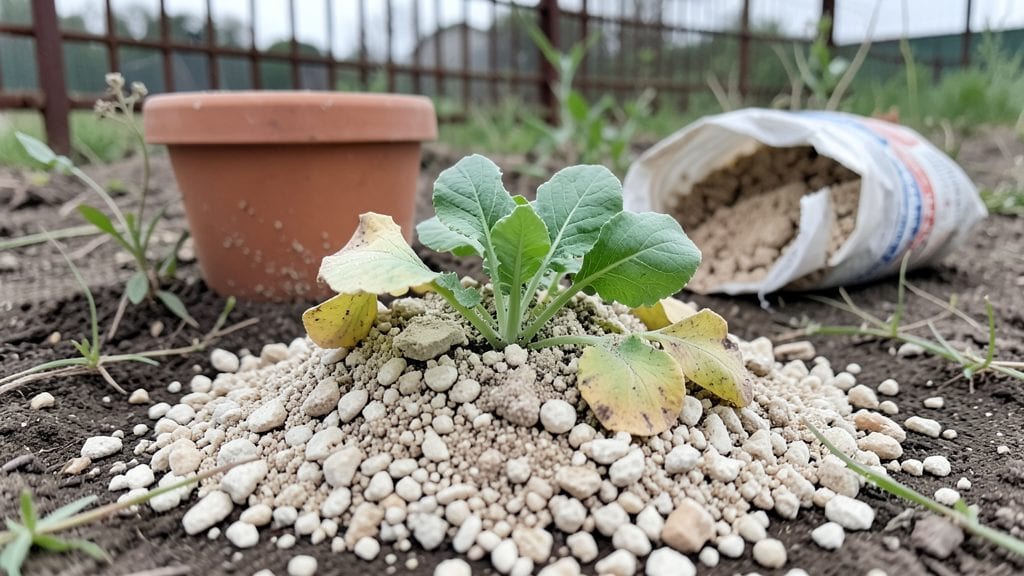
Using DAP for plants delivers phosphorus and nitrogen to stimulate root development and flowering, but precise application—about 1-2 tablespoons per planting hole—prevents chemical burns and nutrient overload. Always blend it into moist soil before planting for even distribution.
DAP, or diammonium phosphate, is a powerhouse fertilizer with an 18-46-0 NPK ratio, meaning it delivers nearly half its weight in phosphorus—a critical nutrient for energy transfer in plants.
Unlike slow-release options, DAP dissolves quickly, making it ideal for seed-starting mixes or transplanting, but its high concentration demands caution. 🌱 For vegetables like tomatoes or peppers, I often split the dose between planting and mid-season to avoid overstimulating leafy growth at the expense of fruit production.
Testing soil pH beforehand ensures the fertilizer works optimally, since acidic conditions can lock out phosphorus.
💡 In This Article
- Understanding DAP Fertilizer Composition and Plant Needs
- Step-by-Step DAP Application Guide for Gardeners
Understanding DAP fertilizer composition and plant needs
Diammonium phosphate (DAP) is a granular fertilizer with a unique chemical structure combining two ammonium ions (NH₄⁺) with one phosphate ion (PO₄³⁻). This 18-46-0 NPK ratio means it delivers 18% nitrogen and a whopping 46% phosphorus by weight—far exceeding most other fertilizers.
The nitrogen supports rapid cell division during early growth, while phosphorus fuels energy transfer through ATP production in plant cells. This high phosphorus content makes DAP particularly effective for root development and flowering stages, where energy demands spike dramatically.
The phosphorus in DAP exists primarily as monobasic phosphate (H₂PO₄⁻), which plants can absorb even in slightly acidic soils (pH 6.0-7.0). However, at pH below 5.5, phosphorus binds tightly to soil minerals like iron and aluminum, becoming unavailable to plants—a process called fixation.
This is why soil testing before application is critical. For example, blueberries, which thrive in acidic soil (pH 4.5-5.5), actually need less DAP than tomatoes, which prefer neutral pH (6.0-6.8). The nitrogen component provides both quick-release ammonium and slow-release nitrate as soil microbes convert it.
DAP's rapid solubility makes it ideal for seed-starting mixes where quick nutrient availability is essential. When mixed with moist soil, the granules dissolve within 10-15 minutes, creating a nutrient-rich zone around seeds.
For flowering plants like roses or vegetables such as peppers, the phosphorus boosts energy transfer needed for blooming and fruit set. Compare this to slow-release fertilizers like Osmocote, which take weeks to dissolve—DAP's immediate availability gives gardeners more control over plant development timelines.
Vegetables like tomatoes and peppers respond dramatically to DAP's phosphorus content, which increases fruit production by up to 30% when applied at planting. Flowers benefit from the nitrogen-phosphorus balance, producing larger blooms with vibrant colors.
However, lawns typically don't need DAP's high phosphorus content unless they're recovering from damage, as most turf grasses require more nitrogen and potassium. The key difference lies in plant growth priorities—vegetables and flowers prioritize reproductive growth (flowers/fruit), while lawns focus on vegetative growth (leaf production).
What most gardeners overlook is DAP's secondary benefit: it contains 21% sulfur as an additional nutrient. This sulfur plays a crucial role in chlorophyll production and protein synthesis, making it particularly valuable for leafy greens like spinach or kale.
The sulfur content also helps prevent nutrient deficiencies that might otherwise appear as yellowing between leaf veins (a classic sulfur deficiency symptom). For container gardens, where nutrient leaching is a concern, DAP's balanced approach provides both immediate and sustained benefits when used correctly.
Consider these key factors when choosing between DAP and other fertilizers:
- Rapid action: DAP works within days, ideal for transplant shock recovery
- High phosphorus: Perfect for root crops (carrots, beets) and flowering plants
- Sulfur bonus: Supports protein synthesis in leafy vegetables
- Solubility: Dissolves quickly but requires immediate soil mixing to prevent burn
The science behind DAP's effectiveness lies in its ability to provide both macronutrients in a form plants can absorb immediately. This dual-action approach explains why gardeners often see results within 2-3 weeks of application, compared to months with organic alternatives.
The trade-off? Its high concentration demands precision in application to avoid salt buildup that can damage roots. 💫