
Pruning
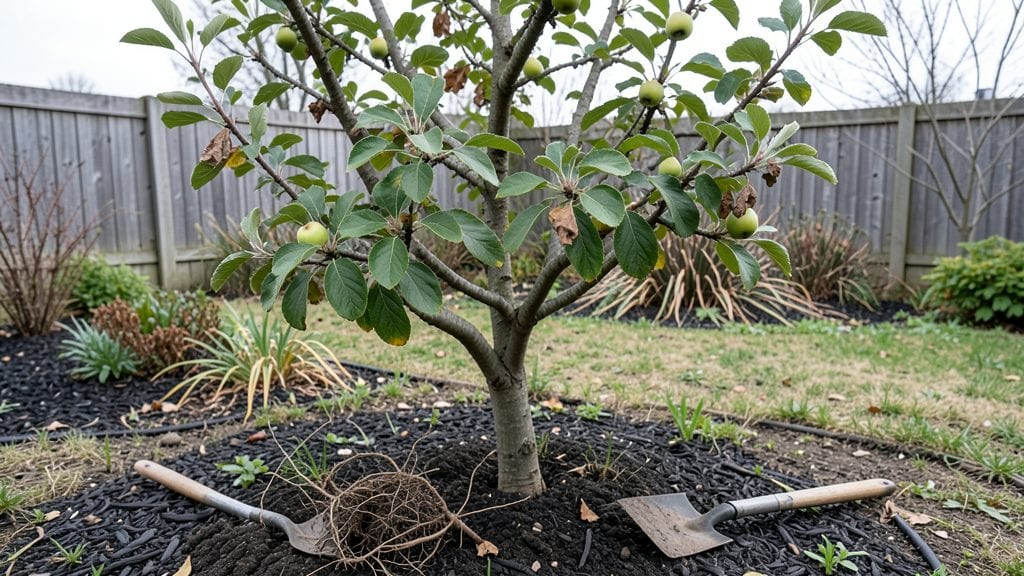
Planting a crab apple tree is the first step toward a backyard that smells like autumn every fall. 🌿 I’ve learned the hard way that the right spot and a little prep work make all the difference—my first attempt nearly died from poor drainage.
The secret isn’t complicated: pick sun-drenched soil, dig deep holes, and keep roots moist until they settle in.
You’ll need a shovel, compost, and a watering can—no fancy tools required. Dig a hole twice as wide as the root ball but no deeper, then loosen the soil at the bottom. The goal is to encourage roots to spread outward, not sit in a hole waiting to rot.
Crab apples thrive in well-draining soil, so if your yard holds water, amend it with sand or organic matter before planting.
Once planted, water deeply to eliminate air pockets, then spread mulch around the base to lock in moisture and keep weeds at bay. The first year is critical—consistent watering and light pruning of damaged branches set the stage for years of fragrant blossoms and wildlife-friendly fruit.
By next spring, you’ll have a tree that’s already outgrowing its nursery pot.
Timing matters too: plant in early spring or fall when temperatures are mild, and roots can establish before summer heat or winter freeze. For long-term health, avoid heavy mulch piles against the trunk and prune only to shape or remove dead wood.
With these steps, your crab apple will reward you with vibrant blooms and a harvest that feeds birds and your neighbors’ imaginations.
📚 In This Guide
- What you need
- Instructions
- Tips and common mistakes
- Wrapping up and next steps
What you need
- ● Crab apple tree sapling: Choose a healthy, disease-resistant variety (e.g., 'Dolgo,' 'Adams,' or 'Sargent').
- ● Shovel or trowel: A round-point shovel (for digging) or a hand trowel (for smaller holes).
- ● Compost or well-aged manure: 5–10 gallons, mixed with native soil (3:1 ratio).
- ● Mulch: 2–3 inches of organic mulch (wood chips, straw, or pine needles).
- ● Watering can or hose with a gentle nozzle: For deep watering (1–2 gallons per tree initially).
- ○ Stakes and garden twine (optional but recommended): 2–3 stakes (2–3 ft tall) and twine for support.
- ● Tree guard or protective collar: To shield the trunk from pests and lawn equipment.
- ● Gloves: Heavy-duty gardening gloves to protect your hands.
- ● Soil test kit: To check pH and nutrient levels (ideal range: 6.0–7.0).
- ● Fertilizer (balanced 10-10-10 or organic options): Apply sparingly during planting.
- ● Pruning shears: For trimming dead branches post-planting.
- ● Post-hole digger: If staking is needed for windy areas.
- ● Drip irrigation system: For consistent moisture in dry climates.
Step-by-Step instructions for planting a crab apple tree
Here's the straightforward method I use to get these trees thriving in any yard.
🪴 Step 1: Choose and Prepare the Planting Site
Select a location with full sun exposure (6-8 hours daily) and well-draining soil. Crab apple trees hate soggy roots, so avoid low spots where water pools. I always test drainage by digging a 12-inch deep hole—if water doesn't drain within 24 hours, amend the soil with 2-3 inches of compost mixed into the top 12 inches of native soil.
For best results, plant in early spring or fall when temperatures are mild. This gives roots time to establish before extreme heat or cold. Mark the planting spot with a stake so you don't accidentally dig in the wrong place—trust me, you'll forget where you planned to plant!
🌱 Step 2: Dig the Proper Hole and Plant the Tree
Dig a hole that's twice as wide as the root ball but no deeper than the container it came in. Loosen the roots gently if they're circling the root ball—this prevents girdling as the tree matures. Place the tree in the hole so the top of the root ball sits 1-2 inches above ground level.
Fill the hole with native soil, tamping down lightly every 2-3 inches to remove air pockets. Water thoroughly until the soil settles. You'll see the tree sink slightly—this is normal. Once settled, add a 2-3 inch layer of mulch around the base, keeping it 6 inches away from the trunk to prevent rot.
☀️ Step 3: Provide Initial Care and Support
Stake the tree only if needed—young crab apples often have strong enough roots to stand alone. If staking, use 2-3 stakes tied loosely to the trunk with soft fabric. Water deeply 2-3 times per week for the first month, then taper to once weekly once established. Watch for yellowing leaves, which signals overwatering.
Prune only to remove any broken branches or crossing limbs. Wait until spring to do any major shaping. The first year is about root establishment, not fruit production—don't be tempted to fertilize heavily. A light application of balanced fertilizer (10-10-10) in early spring is enough to support growth without overwhelming the tree.
⏰ Step 4: Monitor Growth and Adjust Care
Check the soil moisture weekly by sticking your finger 2 inches deep. If dry, water thoroughly at the base. Crab apples are drought-tolerant once established, but young trees need consistent moisture. You'll see new growth in 4-6 weeks if everything's right—look for fresh green leaves emerging from the branches.
After the first growing season, you can fertilize again in early spring. By year three, your tree should be producing those beautiful crab apples. Just remember: patience is key—these trees take time to reach their full potential, but the payoff is worth it!
Tips & tricks for planting a thriving crab apple tree
Planting a crab apple tree might seem straightforward, but these key insights will help you avoid common pitfalls and set your tree up for long-term success.
Soil Drainage is Non-Negotiable: That 24-hour drainage test in Step 1 is crucial—don't skip it! If water pools after 24 hours, you're looking at root rot risk. I've seen too many trees fail because of poor drainage. For heavy clay soil, mix in 4-6 inches of compost into the bottom of the hole before planting to create better drainage channels. This mimics the tree's natural forest habitat where roots thrive in loose, aerated soil.
Root Ball Position Matters: In Step 2, when placing your tree, make sure the top of the root ball sits exactly 1-2 inches above ground level. Too deep and roots suffocate; too high and the tree becomes unstable. I learned this the hard way when my first tree leaned dangerously after a storm. Use a level to check placement before backfilling with soil.
Mulch Like a Pro: That 2-3 inch layer of mulch in Step 2 should be spread in a donut shape—6 inches away from the trunk. Too close to the trunk causes rot, while too far away leaves roots exposed. Use organic mulch like wood chips or straw, which breaks down slowly and improves soil structure over time. Refresh the mulch annually to maintain its protective layer.
Watering Wisdom: The 2-3 times per week watering in Step 3 should be deep watering—aim for 1-2 gallons per watering session until water runs out the bottom of the hole. Shallow watering encourages weak root systems. After the first month, reduce to weekly watering only if the top 2 inches of soil feel dry. Overwatering is the #1 killer of young trees, so always check before watering.
Pro Tips for Crab Apple Tree Planting
- Planting a crab apple tree might seem straightforward, but these key insights will help you avoid common pitfalls and set your tree up for long-term success.
- Soil Drainage is Non-Negotiable: That 24-hour drainage test in Step 1 is crucial—don't skip it!
- Root Ball Position Matters: In Step 2, when placing your tree, make sure the top of the root ball sits exactly 1-2 inches above ground level.
Frequently asked questions
Got questions about planting your crab apple tree? You’re not alone!
Here are answers to the most common queries to help you grow with confidence.
When is the best time to plant a crab apple tree?
The ideal times are early spring (just before buds swell) or early fall (6 weeks before frost). Avoid planting in extreme heat or cold—soil should be workable but not soggy. Bare-root trees thrive in spring, while container-grown trees adapt year-round (but still prefer milder seasons).
How far apart should I space crab apple trees?
Space trees 15–25 feet apart for optimal airflow and sunlight. If planting in a small yard, 12–15 feet works, but expect smaller harvests. Avoid overcrowding—it invites disease and weak growth. Pair with pollinators like bees by adding companion plants (e.g., lavender or clover) nearby!
What if my crab apple tree isn’t thriving after planting?
Check these fixes:
- Watering: Deep water 1–2x/week (1 inch total). Drought stress = wilted leaves.
- Soil: Amend heavy clay or sandy soil with compost. Crab apples love well-draining, slightly acidic soil (pH 6.0–7.0).
- Pests: Yellow leaves? Spider mites or aphids may be the culprit. Spray with neem oil or introduce ladybugs.
- Sunlight: Ensure 6+ hours of sun daily. Shady spots = leggy, weak growth.
Can I grow a crab apple tree in a container?
Yes! Dwarf varieties (like ‘Dolgo’ or ‘Centennial’) thrive in 15–20 gallon pots with drainage holes. Use a balanced fertilizer (10-10-10) in spring and repot every 2–3 years. Containers limit root growth, so expect smaller trees and fruit—but they’re perfect for patios or small spaces!
Do crab apples need a pollinator to produce fruit?
Most crab apple trees are self-pollinating, but planting two varieties nearby boosts yields. For example, ‘Adams’ (red) + ‘Dolgo’ (yellow) create a pollinator-friendly duo. Bonus: Their blossoms feed bees—great for your local ecosystem!
Wrapping up and next steps
Planting a crab apple tree is a rewarding journey that brings beauty, wildlife support, and even delicious harvests to your garden! 🌳 By choosing the right variety, preparing the soil, and giving it the care it needs, you’re setting the stage for years of vibrant blooms and luscious fruit.
Now that you’re equipped with the key steps, it’s time to roll up your sleeves and get growing—your future orchard awaits!
Ready to take the next step? Mark your calendar for planting season, gather your tools, and watch your crab apple tree thrive with love and patience. Happy planting! 🌱✨