Pruning
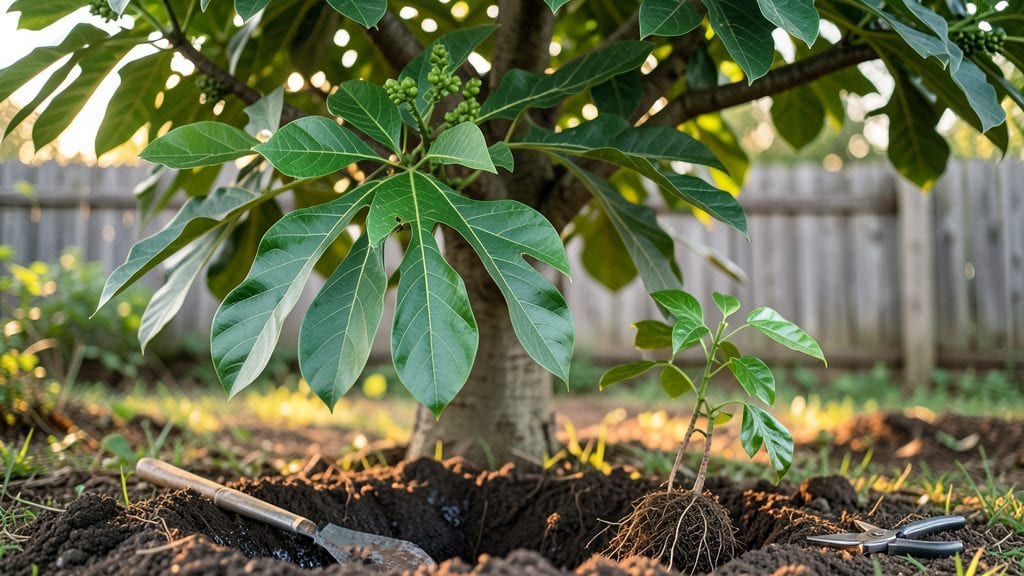
Planting a jackfruit tree starts with the right timing and a few key supplies that make the process shockingly simple. 🌱 I learned this the hard way after my first attempt struggled in heavy clay soil—until I adjusted for drainage and monsoon season timing.
The secret lies in matching the tree’s tropical roots to your climate, whether you’re starting from seed or using a grafted sapling.
You’ll need well-draining soil (think sandy loam or amended clay), a hole twice as wide as the root ball, and a sunny spot that gets at least 6 hours of light daily.
Most gardeners overlook spacing—jackfruit trees need 15–20 feet between plants to spread properly, and they grow fast once established. If you’re in a cooler subtropical zone, choose a sheltered location to protect young trees from unexpected frosts.
Once planted, focus on keeping the soil consistently moist but not soggy for the first 3–4 months—this is when roots establish. Mulch helps retain moisture and regulates temperature, while a light fertilizer (like 5-5-5) in the second month gives young trees the boost they need.
By year two, you’ll see vigorous growth, and with patience, those iconic sweet-smelling flowers will appear by year three.
Here’s the kicker: jackfruit trees thrive in both tropical and subtropical climates, but they despise waterlogged soil. If your area gets heavy rains, raise the planting mound slightly or install drainage.
The payoff? A tree that can live for decades and produce fruit for years—once you get past that first tricky year.
📚 In This Guide
- What you need
- Instructions
- Tips and common mistakes
- Wrapping up and next steps
What you need
- ● Jackfruit seed or sapling: 1 healthy seed (or 1 nursery-bought sapling, 1–3 feet tall). Pro tip: 💡 Choose seeds from ripe, organic jackfruits for better germination!
- ● Well-draining soil: 10–15 cubic yards of a mix of: 60% topsoil
- ● 30% compost or aged manure
- ● 10% perlite or coarse sand (for drainage)
- ● Fertilizer: 1 bag of balanced organic fertilizer (10-10-10 or 5-5-5 NPK ratio) + 1 cup of bone meal (for phosphorus).
- ● Watering can or hose: 1 with a gentle spray nozzle (jackfruit trees hate soggy roots!).
- ● Pruning shears: 1 pair of sharp, sterilized shears (for shaping and maintenance).
- ● Mulch: 2–3 inches of wood chips or straw (to retain moisture and regulate soil temp).
- ○ Support stake (optional but helpful): 1–2 bamboo stakes (6–8 feet tall) + soft ties (for young saplings in windy areas).
- ● Soil pH tester: To ensure your soil is slightly acidic (pH 5.5–6.5). Jackfruit trees are picky!
- ● Drip irrigation system: For consistent watering (especially in dry climates).
- ● Tree guard: 1–2 protective barriers (to deter pests like rodents or deer).
- ● Slow-release fertilizer tablets: For nutrient boosts during fruiting season.
- ● Shade cloth (temporary): If planting in hot climates (to protect young seedlings from intense sun).
Simple jackfruit tree planting: your Step-by-Step guide
Here's how I've grown jackfruit trees successfully—no complicated steps, just proven methods.
🌱 Step 1: Choose and Prepare Your Planting Site
Jackfruit trees thrive in full sun with 6+ hours of direct sunlight daily. Pick a spot with well-draining soil—jackfruit hates soggy roots. If your soil is heavy clay, mix in 2-3 inches of compost to improve drainage before planting. I always test the soil pH first; jackfruit prefers 6.0-7.5.
Dig a hole twice as wide as the root ball but only as deep. The top of the root ball should sit 1 inch above ground level—this prevents waterlogging. If planting in a container, use a pot at least 24 inches in diameter with drainage holes. Place a layer of gravel or broken pottery at the bottom for extra drainage.
🌿 Step 2: Plant Your Jackfruit Tree Properly
Gently remove the tree from its container and loosen any circling roots with your fingers. Place it in the hole so the root flare (where roots meet the trunk) sits just above soil level. Backfill with native soil mixed with compost, tamping lightly to remove air pockets. Water deeply right after planting to settle the soil around the roots.
I always add a 2-inch layer of mulch around the base, keeping it 6 inches away from the trunk. This retains moisture and regulates soil temperature. Avoid heavy mulch like wood chips—stick to straw or shredded leaves. Water again after mulching to help it settle.
☀️ Step 3: Care for Your Young Jackfruit Tree
Keep the soil consistently moist but never waterlogged for the first 3 months. You'll know it's right when the top 2 inches of soil feel slightly dry before watering again. After establishment, jackfruit trees are drought-tolerant but produce better fruit with regular watering during dry spells.
Fertilize lightly in spring with a balanced 10-10-10 fertilizer at half strength. Too much fertilizer causes rapid leaf growth but fewer fruits. Watch for yellowing leaves—they often mean overwatering or poor drainage. Prune only to remove dead branches; jackfruit trees shape themselves naturally.
Here's the thing—jackfruit trees grow fast. In 3-5 years, you'll see your first fruit. The key is patience and consistent care. I promise, once you taste that first ripe jackfruit, all the waiting will be worth it.
Tips & tricks for perfect jackfruit tree planting
These simple strategies will help you grow a thriving jackfruit tree without the guesswork.
Sunlight Strategy: The 6+ hours of direct sunlight mentioned in Step 1 is non-negotiable for jackfruit trees. If your yard has partial shade, choose the sunniest spot available—even a few hours less can significantly reduce fruit production. I've seen trees in full sun produce fruit in 3 years, while those with less sun take 5+ years. Consider using a sun calculator app to map your yard's sunlight patterns before planting.
Soil Prep Secret: When mixing in that 2-3 inches of compost in Step 1, don't just dump it in the hole. Spread it evenly around the planting area first, then mix the top 6-8 inches of native soil with compost. This creates a better root environment from the start. For clay soil, you might need to add up to 4 inches of compost to really improve drainage.
Root Care Technique: In Step 2, when loosening circling roots, be gentle—you're not trying to damage them, just encourage outward growth. I like to use my fingers to carefully separate the roots while holding the tree upright. This prevents transplant shock and helps the tree establish faster. If you notice any broken roots during this process, don't stress—the tree will still grow, just possibly a bit slower at first.
Watering Wisdom: The first 3 months are critical for watering. I recommend using a moisture meter to check that top 2 inches of soil—it's more accurate than guessing. Also, water deeply but infrequently. A good rule is to water when the soil feels dry 2-3 inches down, not just at the surface. This encourages deep root growth, which makes your jackfruit tree more drought-resistant once established.
Pro Tips for Planting Jackfruit Tree
- These simple strategies will help you grow a thriving jackfruit tree without the guesswork.
- Sunlight Strategy: The 6+ hours of direct sunlight mentioned in Step 1 is non-negotiable for jackfruit trees.
- Soil Prep Secret: When mixing in that 2-3 inches of compost in Step 1, don't just dump it in the hole.
Frequently asked questions
Got questions about planting a jackfruit tree? You’re not alone! Here are some of the most common concerns—plus quick, actionable answers to get you growing like a pro.
What’s the best climate for planting a jackfruit tree?
A jackfruit tree thrives in tropical and subtropical climates with warm temperatures (70–90°F) and high humidity. It’s sensitive to frost—never plant outdoors if your area drops below 30°F. If you live in a cooler zone, grow it in a large container and bring it indoors during winter.
When is the ideal time to plant a jackfruit tree?
The best time to plant is during the early rainy season or late spring (when soil is moist but not waterlogged). Avoid planting in extreme heat or cold. If using a container-grown seedling, you can plant year-round in warm climates, but spring is safest for young trees.
How long does it take for a jackfruit tree to bear fruit?
Patience is key! A jackfruit tree typically takes 3–5 years to bear fruit from seed, but grafted trees can fruit in as little as 1.5–2 years. Proper care—like well-draining soil, full sun, and regular watering—speeds up the process.
Can I grow a jackfruit tree from seed, or should I buy a grafted plant?
Yes, you can grow from seed, but it’s a gamble—seedlings may not produce the same fruit quality as parent trees. For faster, more reliable results, buy a grafted jackfruit tree from a reputable nursery. Grafted trees also resist disease better and fruit sooner!
What should I do if my jackfruit tree leaves turn yellow?
Yellowing leaves often signal overwatering, nutrient deficiency, or poor drainage. Check the soil—it should be moist but not soggy. Add compost or organic fertilizer if the tree looks hungry. If roots are waterlogged, improve drainage by amending soil with sand or perlite.
Wrapping up and next steps
Planting a jackfruit tree is a rewarding journey that brings tropical flavors and lush greenery to your space! 🌱 With the right soil, sunlight, and care, you’ll soon enjoy its fragrant blooms and delicious fruit.
Whether you’re a seasoned gardener or a beginner, these steps make success simple—so roll up your sleeves and get growing!
Ready to take the next step? Start by monitoring your tree’s growth and learning how to prune it for optimal health. Happy planting—your future jackfruit harvest awaits! 🍈✨