Pruning
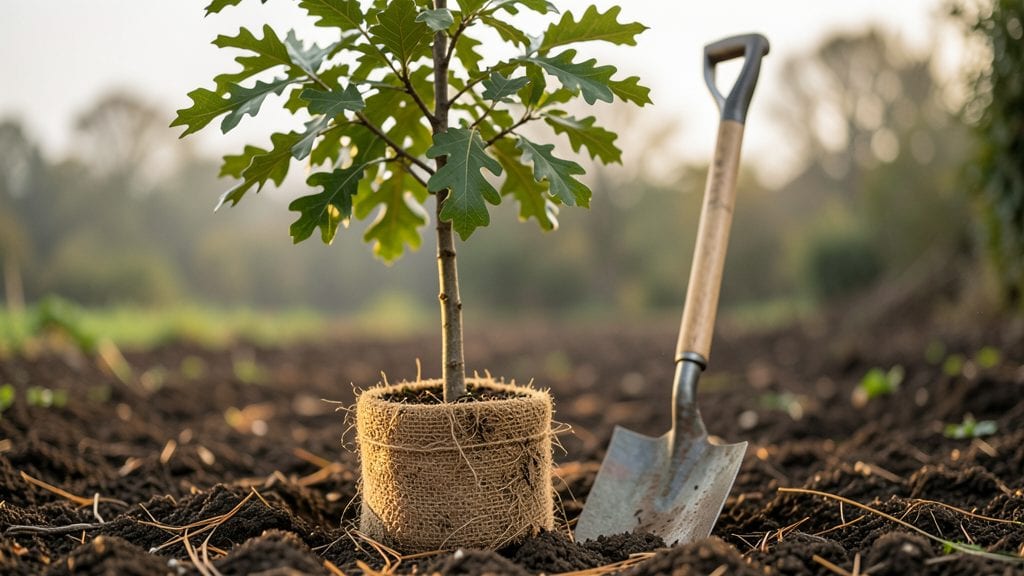
Planting a tree that thrives for decades starts with the right process—one I perfected after watching three saplings struggle in my first yard.
The difference between a tree that fades within a year and one that grows strong for generations comes down to how you prepare the site, handle the roots, and care for it in those first critical weeks.
I’ll walk you through the exact steps I use now, whether you’re planting a shade-loving oak or a fragrant evergreen.
You’ll need a few simple tools: a shovel, wheelbarrow, pruners, and a sturdy stake if your tree is tall. The real work happens before you even dig—the soil must be loose and well-drained, and the hole twice as wide as the root ball but no deeper.
Deciduous trees like maples need slightly acidic soil, while evergreens prefer slightly alkaline—this small detail makes all the difference in long-term health. I’ve seen trees planted in the wrong soil struggle for years, so don’t skip this step.
Once planted, water deeply right away to settle the soil around the roots, then mulch with 2-3 inches of organic material to lock in moisture and protect against weeds.
The first year is the most critical—trees planted in late fall or early spring establish roots faster, but even summer plantings can thrive with consistent watering. By the end of the first season, you’ll see new growth that tells you it’s taking hold. The payoff?
A tree that stands strong for decades, not one that fades in a few years.
This method works for everything from fruit trees to ornamental varieties, and I’ll share how to adapt it for different climates and soil types. Whether you’re a beginner or a seasoned gardener looking to refine your technique, these steps ensure your tree starts with the best possible foundation.
Let’s get those roots growing deep.
📚 In This Guide
- What you need
- Instructions
- Tips and common mistakes
- Wrapping up and next steps
What you need
- ● Tree seedlings or saplings: Choose healthy, locally adapted species (e.g., oak, maple, or fruit trees). Quantity depends on your project—start with 5–10 for small yards or 50+ for reforestation efforts.
- ● Shovel or planting spade: A round-point shovel (16–20 inches wide) works best for digging holes. For larger trees, opt for a mattress shovel or auger.
- ● Garden gloves: Heavy-duty, water-resistant gloves (e.g., Mechanix or Wolverine) to protect your hands from dirt and thorns.
- ● Watering can or hose with a gentle nozzle: A 5-gallon watering can or soaker hose ensures deep, even hydration.
- ○ Mulch (optional but recommended): 3–4 inches of organic mulch (wood chips, straw, or pine bark) to retain moisture and suppress weeds.
- ● Tree stakes & ties (for young/small trees): 2–4 stakes per tree (1–2 inches wide) and soft tree ties (not wire!) to prevent swaying.
- ● Soil amendments: Compost or mycorrhizal fungi to boost root growth in poor soil.
- ● Post-hole digger: For deeper planting holes (especially for larger trees).
- ● Pruning shears: To trim damaged branches before planting.
- ● pH test kit: Check soil acidity (ideal range: 5.5–7.0 for most trees).
- ● Planting grid or map: For large-scale projects to track tree spacing (10–20 feet apart for mature trees).
- ● Site assessment: Test soil drainage (avoid low-lying areas where water pools).
- ● Sunlight & space: Ensure the area gets 6+ hours of sunlight daily (check tree species needs).
- ● Permits (if applicable): Some cities require approval for large-scale planting.
- ● Weather check: Plant on a cool, cloudy day (avoid extreme heat or frost).
Instructions: planting trees for lasting growth
Here’s the straightforward method I’ve used to establish strong, healthy trees that thrive for years.
Choose and Prepare the Planting Site
Pick a spot with at least 6 feet of clearance around the tree’s mature size—crowding leads to weak growth and disease. Check the soil by digging a 12-inch deep hole—if it’s hardpan or clay, mix in 3 inches of compost from the list to improve drainage. The hole should be 2-3 times wider than the root ball but no deeper than the container’s base.
Test sunlight exposure: Most trees need 6+ hours of sun daily, but shade-tolerant varieties like dogwoods can handle dappled light. Avoid low spots where water pools—roots rot in soggy soil. If your yard has poor drainage, consider a raised bed or mound planting to keep roots elevated.
Remove the Tree from Its Container
Water the tree 24 hours before planting to reduce root shock. Gently squeeze the container sides to loosen the root ball—if roots circle tightly (a common issue), use a hand saw or knife to make 2-3 vertical cuts along the edges to encourage outward growth. Never pull roots apart; this damages delicate feeder roots.
Lift the tree by its root ball, not the trunk—grab the base of the container and tip it slowly. If the root ball crumbles, it’s a sign the tree was root-bound. In that case, tease the roots apart with your fingers before planting. Handle the tree carefully—bending the trunk can cause long-term stress.
Plant at the Right Depth and Stake for Support
Place the tree in the hole so the top of the root ball sits 1-2 inches above ground level—this prevents settling and potential rot. Fill the hole with the remaining backfill soil, tamping down gently in 2-inch layers to remove air pockets. Avoid compacting too hard, or you’ll restrict root expansion.
If your tree is tall or top-heavy, install 2 stakes on opposite sides of the hole, 6-12 inches from the trunk. Tie the tree loosely to the stakes with soft tree ties or strips of old fabric—never use wire, which can girdle the trunk as it grows. Water deeply after planting to settle the soil around the roots.
Water and Mulch for Long-Term Health
Give the tree 10-15 gallons of water immediately after planting, enough to soak the entire root zone. Check soil moisture 2-3 inches down—if it’s dry, water again. Over the first 2 weeks, water 2-3 times per week to encourage root spread. After that, reduce to once a week unless your area experiences drought.
Spread 3 inches of mulch in a 3-foot diameter circle around the base, keeping it 6 inches away from the trunk to prevent rot. Use wood chips or shredded bark—avoid rocks or plastic, which don’t improve soil health. Mulch helps retain moisture, regulate soil temperature, and suppress weeds, but never pile it against the trunk.
Monitor and Protect in the First Year
Inspect the tree weekly for signs of stress: yellowing leaves, wilting, or fungal growth on the trunk or roots. If you see pests like borers or sawflies, treat early with neem oil or insecticidal soap—prevention is easier than recovery. Prune only to remove dead, broken, or crossing branches—never "thin" a newly planted tree for aesthetics.
Watch for soil settling in the first few months. If the trunk appears buried deeper than 1-2 inches, add soil around the base to maintain the correct depth. In windy areas, check stakes monthly—they can loosen over time. After 12 months, remove stakes gradually to avoid shocking the tree when support is gone.
Tips & tricks for planting trees that thrive
Planting a tree is a long-term investment, and these practical tips will help you avoid common pitfalls that can set your young tree up for failure.
Timing is Everything: The 24-hour pre-planting watering is crucial—it ensures the root ball stays hydrated during the transplant process. I've seen trees wilt dramatically when skipped, so don't rush this step. Water again immediately after planting to help settle the soil around the roots and reduce transplant shock. This initial hydration gives your tree the best possible start.
Root Ball Care: When you notice roots circling tightly in the container, those 2-3 vertical cuts make all the difference. I've made the mistake of trying to pull roots apart by hand, which tears delicate feeder roots. A sharp knife or saw creates clean breaks that encourage outward root growth. This simple step can double your tree's chances of establishing strong roots in its new home.
Depth and Support: Getting the depth right—the top of the root ball just 1-2 inches above ground—is more important than you might think. I've seen many trees planted too deep, which can lead to girdling and rot. When staking, position those 2 stakes 6-12 inches from the trunk, not right against it. This gives the trunk room to grow while still providing support. Use soft ties that won't cut into the bark as the tree grows.
Watering Wisdom: Those first 2 weeks are critical for root establishment, so stick to the 2-3 times per week schedule unless you're in drought conditions. I've learned the hard way that overwatering can suffocate roots just as much as underwatering. After the initial 2-week period, you can ease back to weekly watering, but always check soil moisture 2-3 inches down before deciding. This helps prevent both waterlogging and drought stress.
Pro Tips for Tree Planting Process
- Planting a tree is a long-term investment, and these practical tips will help you avoid common pitfalls that can set ...
- Timing is Everything: The 24-hour pre-planting watering is crucial—it ensures the root ball stays hydrated during the...
- Root Ball Care: When you notice roots circling tightly in the container, those 2-3 vertical cuts make all the differe...
Frequently asked questions
Got questions about planting trees? You’re not alone! Here are some of the most common inquiries—plus straightforward answers to help you get started with confidence.
What’s the best time of year to plant a tree?
Early spring or fall (3–4 weeks before the first frost) are ideal. These seasons offer mild temperatures, ample rainfall, and minimal competition from weeds. Avoid extreme heat or cold, as young roots struggle to establish in harsh conditions. Pro tip: Bare-root trees can be planted in late winter if soil isn’t frozen!
How deep should I plant the tree?
Dig a hole twice as wide as the root ball but no deeper. The top of the root flare (where roots meet the trunk) should sit just above ground level. Over-planting can suffocate roots, while under-planting leaves them exposed. Use a level tool to check depth before backfilling with native soil.
Can I plant a tree in a small yard or container?
Dwarf varieties (like Japanese maples) or container-friendly trees (e.g., citrus or fruit trees) thrive in tight spaces. For containers, ensure pots are at least 18 inches wide with drainage holes. In small yards, prioritize shallow-rooted species and mulch heavily to conserve moisture.
How often should I water a newly planted tree?
Water deeply 2–3 times per week for the first year, aiming for 1–1.5 gallons per inch of trunk diameter. Let soil dry slightly between waterings to encourage deep root growth. Mulch (2–4 inches thick) retains moisture and reduces evaporation. Watch for: Wilting leaves or soil pulling away from the trunk—signs of thirst!
What do I do if my tree’s leaves turn yellow or wilt?
Yellowing leaves often signal overwatering, poor drainage, or nutrient deficiency. Wilted foliage may mean underwatering or root damage. Check soil moisture, loosen compacted roots gently, and fertilize lightly (if needed) with a balanced, slow-release formula. Rule of thumb: If in doubt, water less—not more!
Wrapping up and next steps
Planting a tree isn’t just about digging a hole—it’s a rewarding act of stewardship that benefits both the environment and your community. By following the right steps—from selecting the perfect sapling to nurturing it with care—you’re giving nature a lasting gift.
Whether you’re a seasoned gardener or a first-time planter, every tree you plant makes a difference! 🌱
Ready to take the next step? Gather your tools, pick a spot, and get planting! Share your progress with others—inspire friends and neighbors to join the movement. Together, we can turn small actions into a greener, healthier planet.