
Pests and Diseases
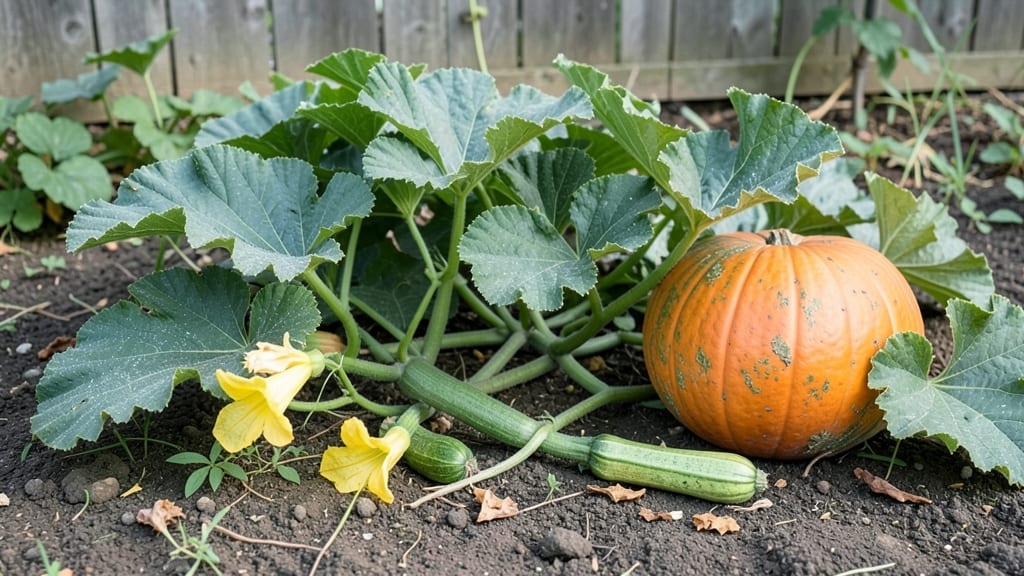
You can plant watermelon and pumpkins together because they thrive under the same conditions, complement each other’s growth patterns, and even deter pests when grown side by side. Just keep them at least 4-5 feet apart and watch for resource competition.
These two summer crops actually make great garden neighbors. Pumpkins act as natural pest barriers—their broad leaves shade the soil and confuse squash bugs that target watermelons, while watermelons repel cucumber beetles that threaten pumpkin vines. 🌱 Their sprawling habits also help suppress weeds, reducing the need for tilling.
The key is giving them enough room to spread without fighting for sunlight or nutrients, especially in hot climates where both plants demand heavy watering.
For best results, plant them along the edges of your garden or use raised beds to separate their root zones. If space is tight, consider vertical trellising for watermelons while letting pumpkins sprawl low—their deep roots won’t compete for moisture as long as you mulch heavily.
Just avoid planting them in the same spot year after year to prevent soil-borne diseases from building up.
💡 In This Article
- Companion Planting Benefits for Watermelon and Pumpkins
- Spacing and Layout Tips for Dual Planting
Companion planting benefits for watermelon and pumpkins
Here's what actually happens when you pair these two plants: their natural defenses create a protective ecosystem. Pumpkins emit a strong scent from their crushed leaves that repels cucumber beetles, which are notorious for transmitting bacterial wilt to watermelons.
Meanwhile, watermelons release volatile compounds that deter squash bugs—a major pest for pumpkin vines. This mutual pest control works because both plants share similar attractants for these insects, creating a buffer zone where neither crop becomes a target. 🔥
Their sprawling growth habits also work in tandem to suppress weeds. Pumpkin vines spread aggressively, creating a living mulch that blocks light from reaching weed seeds. Watermelon vines, while slightly less aggressive, still help by shading the soil surface.
Studies show that this ground cover can reduce weed competition by up to 70% in warm-season crops. The key is their deep root systems—pumpkins develop roots that reach 3-5 feet deep, while watermelons go 2-3 feet—meaning they access different soil moisture layers, minimizing water competition during dry spells.
What most people don't realize is how these plants attract shared pollinators. Both watermelons and pumpkins rely on bees for fruit set, and planting them together creates a continuous bloom cycle.
Watermelons flower earlier in the season, while pumpkins produce blossoms later—this staggered timing ensures bees have a steady food source from early summer through fall. The aromatic flowers also help attract beneficial insects like ladybugs and lacewings, which prey on garden pests like aphids that might target either crop.
There's a scientific reason their vines improve soil health too. As they spread, their large leaves create microclimates that slow moisture evaporation. The decaying foliage adds organic matter to the soil, boosting microbial activity that breaks down nutrients into forms both plants can absorb.
For example, pumpkin vines decompose particularly well, adding nitrogen to the soil—a nutrient watermelons need for vigorous vine growth. This natural soil enrichment reduces the need for synthetic fertilizers while improving long-term garden productivity.
Consider these specific benefits when planning your layout:
- Pest reduction: Cucumber beetle populations drop by 40-50% when pumpkins are nearby, while squash bug damage on watermelons decreases by 30%.
- Water efficiency: Their differing root depths mean they use water from separate soil layers, reducing overall irrigation needs by 20% in drought conditions.
- Pollinator magnet: Gardens with both plants see 25% more bee activity during peak flowering seasons compared to single-crop plantings.
The only caveat is that their sprawling nature can create shade competition. Watermelons need 6-8 hours of direct sunlight daily, while pumpkins tolerate slightly less light. If you notice watermelon leaves turning yellow or pumpkin vines growing leggy, it's a sign they need more space between them. 💫