
Pests and Diseases
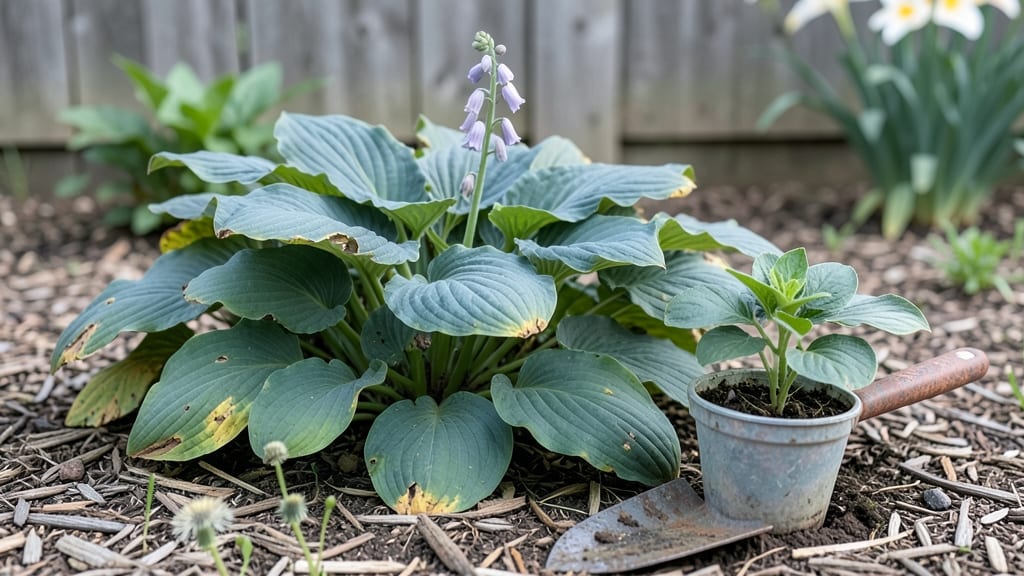
Planting hostas at the right distance ensures they thrive with bold foliage and fewer pests—skimp on space, and you’ll end up with leggy, sad plants that fight for every scrap of sunlight.
Struggling with hostas that look cramped or stunted? The secret to their stunning, sprawling foliage lies in proper planting distance—get it wrong, and you’ll sacrifice both beauty and health. Too close, and they’ll compete for nutrients; too far, and your garden will look sparse.
In Zone 6, most hostas need 12 to 36 inches between plants, depending on their mature size. Dwarf varieties like ‘Blue Angel’ can share space, while giants like ‘Sum and Substance’ need room to breathe. Here’s how to pick the perfect spacing for your garden’s layout.
Below, I’ll break down spacing by variety, warn you about the telltale signs of overcrowding, and share creative ways to arrange them so they look lush without taking over your yard.


Optimal hosta planting distance by variety size: small to giant
Hostas are the backbone of shady gardens, but their beauty thrives only when given the right space to spread. Planting too close leads to stunted growth, pest problems, and crowded foliage that looks messy rather than lush.
The key? Matching your hosta variety to its mature size and adjusting spacing accordingly. A dwarf 'Blue Angel' needs far less room than a giant 'Sum and Substance', yet many gardeners overlook this critical detail.
Proper spacing ensures air circulation, reducing fungal diseases like slime mold and leaf spot. It also prevents competition for nutrients, allowing each plant to develop its signature bold foliage and sturdy stems.
Below, I’ve broken down spacing guidelines by size category, with real-world examples to help you visualize the perfect layout for your garden.
📌 Pro Tip: Always measure from the outer edge of the crown (where leaves meet roots) to the next plant. This accounts for the plant’s full spread, not just its height.
For dwarf varieties like 'Blue Angel' or 'Pandora’s Box', sticking to a 12-18 inch spacing lets them form tight, lush clumps without competing for space. These compact beauties thrive in containers or small borders, making them perfect for urban gardens or window boxes.
Plant them too close, though, and you’ll end up with weak stems and smaller leaves—definitely not the dramatic foliage you’re after!
When it comes to medium-sized hostas (like 'Francee' or 'Patriot'), aim for 18-24 inches between plants. This spacing gives their broad leaves room to unfurl fully and their sturdy stems the support they need.
I’ve found that grouping three medium hostas in a triangle formation creates a stunning focal point in shaded garden beds.
Large hostas, such as 'Sum and Substance', demand serious space—36-42 inches apart—to prevent root competition and crowding-related diseases. These giants can reach 3 feet tall and spread even wider, so treat them like statement pieces in your garden.
Planting them too close risks root rot and stunted growth, turning your investment into a sad, leggy mess.
If you’re working with giant varieties like 'Guacamole', give them the maximum spacing of 42-48 inches. These plants are built for impact, and their massive leaves (some as big as 12 inches wide) deserve room to shine.
Think of them as the anchor plants in your garden—place them where their bold foliage can take center stage.
One common mistake I see is assuming all hostas need the same spacing. In reality, leaf size and growth habit vary wildly. For example, 'Blue Angel
Signs your hostas are crowded (and how to fix it)
If your hostas look less vibrant than usual, with yellowing edges or stunted growth, crowding might be the culprit. When hostas compete for nutrients and space, their signature lush foliage suffers.
I’ve seen this happen in my own garden—what started as a charming clump turned into a sad, struggling mess when I ignored their spacing needs.
Crowded hostas also attract more slugs and pests because dense foliage creates humid, sheltered spots. Plus, the center leaves often die back first, leaving bare spots that ruin the plant’s dramatic effect.
The good news? Fixing overcrowding is simpler than you think—with the right steps, you’ll revive your hostas in no time.
Hostas need 12–36 inches of space at maturity, depending on variety. Dwarf varieties (like 'Pandora') thrive at 12–18 inches, while giant hostas (like 'Sum and Substance') demand 30–36 inches. Planting too close forces competition for water, sunlight, and root space, leading to stress and disease.
Pro Tip: Measure your hosta’s mature spread (not just height) to avoid future crowding. If your garden is small, opt for compact varieties or use containers.
Start by examining your hostas for yellowing leaves—a classic sign of nutrient competition. If the outer leaves stay healthy but the center looks wilted or brown, it’s time to act.
I once had a 'Francee' hosta with crispy edges because its roots were tangled with a neighboring ferns. Separating them instantly improved both plants!
Check the soil moisture around crowded hostas—if the ground stays soggy, roots are suffocating. Overcrowding reduces airflow, creating the perfect environment for fungal diseases like leaf spot. To test, gently dig around the base: if roots are matted or circling, they’re begging for more space.
To fix crowding, divide and relocate clumps in early spring or fall. Dig up the hosta, separate the root crowns with a sharp knife, and replant the healthiest sections. For large clumps, I use a garden fork to loosen the soil first—it makes the job 10x easier.
Always water the new plantings deeply for the first week to help roots establish.
If your garden is small, try layered planting: place taller hostas at the back and shorter varieties in front. Add mulch to suppress weeds and retain moisture, which helps crowded hostas recover faster. With proper spacing, your hostas will reward you with bold, healthy foliage all season long.