
Companion Plants
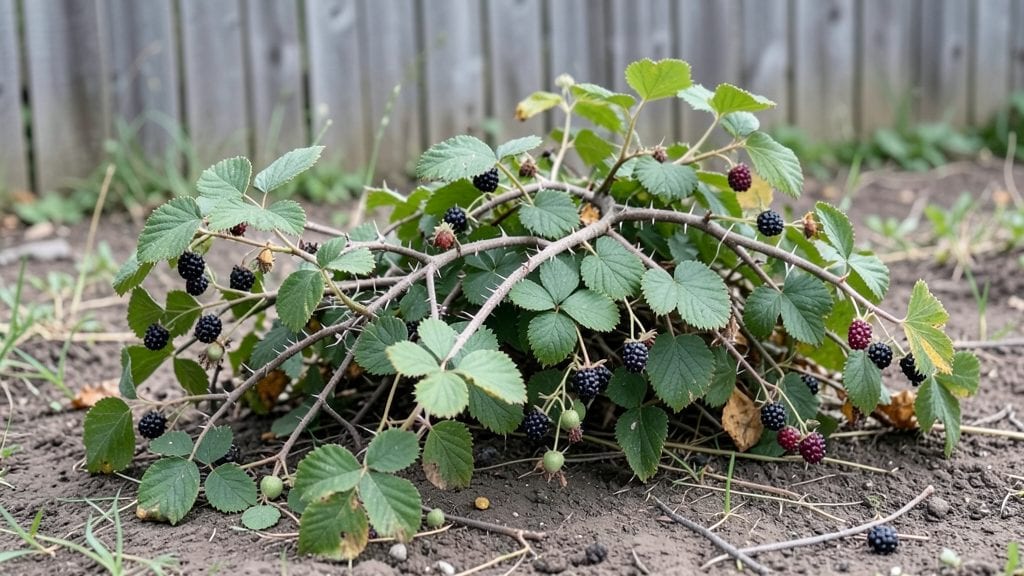
Blackberry fruit plants transform a corner of your yard into a thorny treasure trove of summer treats—if you master their quirky growth habits. 🌿 I’ve wrestled with these aggressive bushes for years, and the difference between a tangled mess and a productive patch comes down to three simple cuts made at the right time.
The payoff? Juicy berries that taste like nothing store-bought can match.
Start with the right spot: full sun and well-draining soil are non-negotiable, but blackberries don’t care if the ground is rocky or slightly acidic. Thornless varieties like ‘Cheyenne’ or ‘Natchez’ make harvesting easier, while traditional types like ‘Triple Crown’ pack bigger flavor.
Plant canes in early spring, spacing them 4–6 feet apart—they’ll spread fast if you let them.
Pruning isn’t just about shaping; it’s about forcing energy into fruit production. In late winter, cut out dead canes first, then trim back last year’s fruiting canes to 3–4 feet tall.
Save the strongest new canes for this year’s harvest. By summer, you’ll see thick, glossy leaves and—if you’ve timed it right—plump, dark berries ready to pick within weeks.
Blackberries reward patience, but they demand respect. Mulch heavily to suppress weeds, water deeply during dry spells, and watch for Japanese beetles or bird raids. With these basics nailed, you’ll go from struggling with brambles to harvesting gallons of berries—no fancy equipment needed, just sharp pruners and a little strategy.
📚 In This Guide
- What you need
- Instructions
- Tips and common mistakes
- Wrapping up and next steps
What you need
- ● Blackberry plants: Choose thornless varieties (like 'Natchez' or 'Arapaho') for easier harvesting. Buy 2–3 plants for cross-pollination (if not self-pollinating).
- ● Well-draining soil: Aim for a pH of 5.5–6.5. Mix in 2–3 inches of compost or aged manure to enrich the soil.
- ● Organic mulch: Use straw or wood chips (3–4 inches) to retain moisture and suppress weeds.
- ● Fertilizer: A balanced 10-10-10 or organic option (like fish emulsion) applied in early spring.
- ● Watering system: A drip irrigation kit or soaker hose to deliver 1–2 inches of water weekly (more during fruit set).
- ● Pruning shears: Bypass pruners (for clean cuts) or loppers for thicker canes.
- ● Gloves: Heavy-duty gardening gloves (thornless varieties still have spines!).
- ● Stakes or trellis: T-posts + wire or a free-standing trellis to support vines (4–6 feet tall).
- ● Spray bottle: For neem oil or horticultural soap (to deter pests like aphids or spider mites).
- ○ Soil test kit (optional): To check pH and nutrient levels before planting.
- ● Sunlight: Full sun (6–8 hours daily)—blackberries are sun-worshippers!
- ● Space: Allocate 5–6 feet between plants (or rows) for airflow and growth.
- ● Climate: Plant in USDA Zones 5–9 (some varieties tolerate cooler zones with winter protection).
- ● Patience: Blackberries take 2–3 years to bear fruit—plan ahead!
Step-by-Step guide to pruning blackberry bushes for maximum fruit
Here's the method I use to keep my blackberries producing year after year.
✂️ Step 1: Remove Dead or Weak Canes in Early Spring
Start pruning when new growth appears but before buds break—typically late February to early March in most climates. Look for canes that are brown, broken, or hollow at the base. These won’t produce fruit and compete with healthy growth. I grab each cane near the base and give it a gentle tug—if it comes out easily, it’s dead and needs removal.
Use clean, sharp pruners to cut dead canes at the ground level. This prevents disease from lingering in old, damaged wood. You’ll likely remove 20-30% of your canes in this first cut. Don’t worry if it seems drastic—healthy canes will fill in quickly.
✂️ Step 2: Thin Out Overcrowded Canes in Late Winter
Blackberries produce fruit on second-year canes, so you need to balance old and new growth. In late winter (January-February), select the strongest 4-6 canes per plant—these will bear fruit this season. Remove the rest at the base. I prioritize canes that are thick (at least pencil-sized), straight, and disease-free.
If you have more than 6-8 canes total, thin aggressively. Overcrowding leads to small berries and poor air circulation, which invites fungus. Step back occasionally to check your work—you should see open space between canes for sunlight and airflow.
✂️ Step 3: Prune After Harvest to Encourage New Growth
Once you’ve harvested all the berries (usually late summer to early fall), cut back the old fruiting canes at the ground level. These canes are wooden and brown—they’ve already given their fruit and won’t produce again. This heavy pruning signals the plant to focus energy on new, fruiting canes for next year.
Leave the young, green canes untouched—they’ll grow and fruit next season. If any canes are twisted, diseased, or weak, remove them immediately. I always sterilize my pruners with rubbing alcohol between cuts to prevent spreading disease.
⏰ Step 4: Light Maintenance Pruning During Growing Season
Throughout the spring and summer, watch for suckers—thin, fast-growing shoots that emerge from the base or along the roots. These drain energy from your main canes. Pinch them off as soon as they appear, or they’ll take over your bush.
Also, trim back any overly long or tangled canes to improve airflow. You don’t need to be precise—just shape the bush so sunlight reaches the center. A well-pruned blackberry plant looks open and airy, not dense and tangled.
Tips & tricks for thriving blackberry bushes
Here's what nobody tells you about keeping your blackberries healthy and productive year after year.
Timing is Everything: The late February to early March window for Step 1 is critical because that's when new growth appears but before buds break. If you prune too early, you risk damaging emerging buds. I've learned this the hard way—waiting until buds are swollen means you're too late for that first cut. Mark your calendar or set a phone reminder for this exact timeframe.
The 4-6 Rule: In Step 2, maintaining exactly 4-6 strong canes per plant might seem restrictive, but trust me on this. I used to keep all my canes thinking more meant more berries, but overcrowding actually leads to smaller fruit and more disease. Step back and visualize sunlight reaching the center of your bush—you should see open space between canes, not a dense thicket.
Seasonal Pruning Strategy: The key to successful blackberry pruning is understanding the seasonal growth cycle. After harvest in late summer to early fall (Step 3), you're essentially giving your plant a fresh start. The old fruiting canes you remove are done producing—they've already given their all. This heavy pruning might look drastic, but it's what triggers the plant to focus all its energy on new growth for next year.
Equipment Essentials: Don't skimp on your pruning tools. I use clean, sharp pruners for every cut, and I always sterilize them with rubbing alcohol between cuts in Step 3. This prevents spreading disease from one cane to another. A good pair of pruners costs about $20 and will last years—it's one of the best investments you can make for your blackberry bushes.
Pro Tips for Blackberry Fruit Plants
- Here's what nobody tells you about keeping your blackberries healthy and productive year after year.
- Timing is Everything: The late February to early March window for Step 1 is critical because that's when new growth appears but before buds break.
- The 4-6 Rule: In Step 2, maintaining exactly 4-6 strong canes per plant might seem restrictive, but trust me on this.
Frequently asked questions
Got questions about growing blackberry fruit plants?
Here are some of the most common ones—plus quick answers to help you cultivate thriving bushes with ease!
How long does it take for blackberry plants to produce fruit after planting?
Most blackberry varieties take 1–2 years to bear fruit after planting, depending on the cultivar and growing conditions. Thornless varieties (like 'Natchez' or 'Arapaho') often fruit faster—sometimes within a year—while primocanes (summer-bearing types) may take a little longer. Patience pays off with juicy berries!
What’s the best climate for growing blackberry plants?
Blackberries thrive in USDA Zones 5–9, where they enjoy full sun (6–8 hours/day) and well-draining soil. They tolerate heat but need protection from harsh winters (mulch helps!). Coastal or humid regions may require extra airflow to prevent fungal diseases like botrytis.
Can I prune blackberry bushes in the winter or fall?
Yes! Winter pruning (late dormancy, before buds swell) is ideal for removing dead canes and shaping the plant. Avoid heavy pruning in fall—it can stress the plant before winter. Summer-bearing types should be pruned right after harvest, while fall-bearing varieties benefit from a light trim in late winter.
Do blackberry plants need pollinators to produce fruit?
Blackberries are self-pollinating, so you don’t need bees for fruit set—but they’ll produce more berries with pollinator visits! Planting companion flowers (like lavender or borage) nearby attracts bees and boosts yields. Plus, it’s a win for local ecosystems!
What can I do if my blackberry canes keep dying back?
Wilted or dying canes often signal root rot, fungal disease, or pests. Check for:
- Overwatering—ensure soil drains well.
- Fungal spots (like anthracnose)—prune infected canes and apply copper fungicide.
- Borers or mites—spray neem oil or insecticidal soap.
Wrapping up and next steps
Growing blackberry fruit plants is a rewarding journey that combines patience, strategy, and a little green thumb magic! 🌱 By mastering the three key pruning cuts—summer thinning, winter renewal, and primocane management—you’ll unlock healthier bushes, sweeter berries, and bountiful harvests for years to come.
Whether you’re a seasoned gardener or just starting, these techniques make the process simple and effective.
Ready to take the next step? Start small: pick one section of your blackberry patch to practice pruning this season. Watch your plants thrive, and soon, you’ll be sharing your harvest with neighbors—or even selling at a local market! 🍇✨