
Pruning
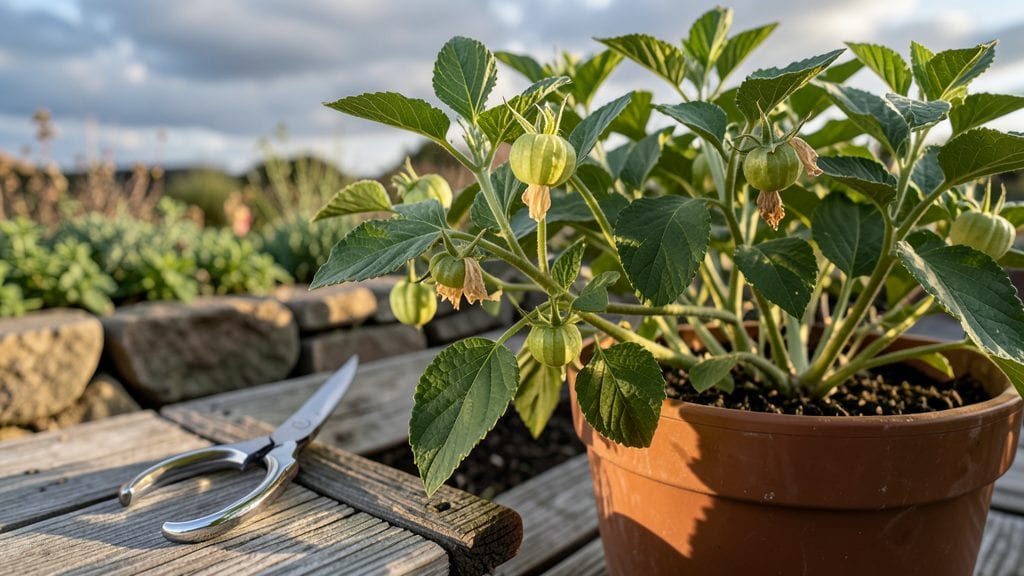
Pruning tomatillo plants doesn't just tidy up your garden—it turns a decent harvest into a bountiful one. 🌱 I learned this the hard way when my first batch of tomatillos produced half the fruit I expected, despite having healthy-looking plants.
The secret lies in three key trims that redirect energy from leaf growth to fruit production.
You'll need sharp pruning shears, a small bucket for trimmings, and about 20 minutes on a warm afternoon. Focus on removing suckers (those little shoots between the main stem and branches), leggy stems that shade lower fruit, and any diseased or yellowing leaves.
These cuts aren't about aesthetics—they're about giving your plant the best chance to focus on what matters: those tangy, lime-green tomatillos you love in salsas.
After pruning, your plants will respond within days—new growth appears, and within weeks, you'll see clusters of fruit where there were once sparse branches. The key is timing: start when plants are 12-18 inches tall, then repeat during flowering.
With each trim, you're not just shaping the plant; you're shaping its future harvest.
This method works for both bush and indeterminate varieties, though bush types need less aggressive pruning. The same principles apply whether you're growing in containers or garden beds. Once you master these trims, your tomatillo yield will be the talk of your gardening group—and your kitchen.
📚 In This Guide
- What you need
- Instructions
- Tips and common mistakes
- Wrapping up and next steps
What you need
- ● Pruning shears or sharp bypass pruners – Choose sterilized, sharp tools with 5- to 6-inch blades (1 pair).
- ● Gloves – Heavy-duty gardening gloves (1 pair) to protect against thorns and sap.
- ● Disinfectant solution – 70% isopropyl alcohol or a 10% bleach-water mix (small bottle or spray) to sterilize tools between cuts.
- ○ Garden twine or plant ties – 3–4 feet of sturdy twine (optional but helpful for supporting heavy fruit loads).
- ● Garden waste bag – Medium-sized bag (1) for trimmings.
- ● Watering can or hose – For post-pruning hydration.
- ● Plant growth regulator – Like hydrogen peroxide (3%) or seaweed extract to spray cuts and reduce disease risk.
- ● Stake or tomato cage – 6–8 feet tall (1 per plant) if your tomatillos need extra support.
- ● Notebook & pen – To track pruning dates and plant responses.
- ● Sunhat & sunscreen – Because pruning sessions can get hot!
- ● Tomatillo plants that are at least 6–8 inches tall (younger plants need less pruning).
- ● A clear, dry day to avoid spreading disease or stressing the plant.
- ● Knowledge of your plant’s variety—some (like ‘Purple Tomatillo’) are more vigorous and need heavier pruning.
Step-by-step guide to pruning tomatillo plants
Here's how I prune my tomatillos for bigger yields and healthier plants—simple, effective, and easy to follow.
✂️ Step 1: Remove Suckers for Stronger Growth
Start by identifying the suckers—the small shoots that grow in the leaf axils where the stem meets a leaf. These compete with your main plant for energy, so I remove them when they're about 2-3 inches tall. Use clean, sharp pruning shears to snip them off at the base without damaging the main stem.
I know it seems counterintuitive to cut off growth, but this redirects the plant's energy toward fruit production instead of extra foliage. Focus on the suckers below the first flower cluster first—they're the biggest energy drains. If you miss one, don't worry; just grab it in the next round.
🌿 Step 2: Trim Lower Leaves for Better Airflow
Once your plant reaches about 18-24 inches tall, start pruning the lower leaves—especially those touching the soil. Use your fingers or shears to pinch them off just above the leaf stem. This prevents soil-borne diseases and keeps the plant's energy focused on the upper canopy where the fruit forms.
I aim to remove about one-third of the lower foliage in this step. You'll see the stems look sparser, but that's normal—and necessary. The plant will redirect resources to the remaining leaves, which will grow stronger and produce more flowers. Watch for yellowing leaves; if they appear, remove them immediately.
☀️ Step 3: Prune for Light Penetration and Fruit Load
When your plant hits 3-4 feet tall, it's time for the final pruning round. Focus on opening up the plant's center by trimming back any dense growth that blocks sunlight. Cut back 1/3 of the innermost leaves and stems, leaving the outer foliage intact to protect the fruit from sun scorch.
This step is all about balance. You want enough leaves to produce energy through photosynthesis but not so many that the center stays shaded. After pruning, your plant should look like an open umbrella with sunlight reaching the middle. This encourages more flowers to set fruit, especially on the lower branches where tomatillos often form clusters.
⏰ Step 4: Maintain Through the Season
After the initial trims, keep an eye on your plant weekly. Remove any new suckers that appear, and prune any leaves that look diseased or yellowed. I also trim back any stems that grow past the 4-foot mark—these rarely produce fruit and just take energy away from the main plant.
Here's the thing—don't overdo it. If your plant looks stressed or stops flowering, you've pruned too much. The goal is to maintain a balanced shape with plenty of green leaves but an open center. By late summer, you'll see the payoff: heavier clusters of tomatillos and a plant that looks like it's thriving, not struggling.
Tips & tricks for pruning tomatillo plants
Here's what I've learned from years of pruning tomatillos that'll help you avoid common mistakes and get the best harvest possible.
Timing is Everything: Start pruning when your plants are actively growing and haven't yet reached their full height. I begin when plants are about 18-24 inches tall—this is the sweet spot for redirecting energy to fruit production. If you wait too long, the plant may have already allocated resources to foliage rather than flowers. Watch for new growth after rain or warm spells; that's your cue to check for suckers.
The Sucker Strategy: In Step 1, focus on removing suckers below the first flower cluster first. These are the biggest energy vampires. I use my fingers to gently pinch them off at the base rather than cutting with shears—it's faster and prevents damage to the main stem. Remember, these little shoots might look harmless, but they can reduce your fruit yield by up to 30% if left unchecked.
Visual Pruning Cues: When you reach Step 3, aim for that "open umbrella" shape. After trimming, you should be able to see sunlight reaching the center of the plant. A good test is to stand back and look at your plant—if you can't see through the middle, you haven't pruned enough. The outer leaves should still provide plenty of shade for the fruit, but the center needs that light to encourage more flowering.
Tool Maintenance: Keep your pruning shears sharp and clean between uses. I wipe them down with rubbing alcohol after each session to prevent spreading disease. Dull shears tear plant tissue rather than making clean cuts, which slows healing and invites infection. Store them in a dry place when not in use—rusty tools can transfer pathogens to your plants.
Pro Tips for Prune Tomatillo Plants
- Here's what I've learned from years of pruning tomatillos that'll help you avoid common mistakes and get the best harvest possible.
- Timing is Everything: Start pruning when your plants are actively growing and haven't yet reached their full height.
- The Sucker Strategy: In Step 1, focus on removing suckers below the first flower cluster first.
Frequently asked questions
Got questions about pruning tomatillos? You’re not alone—this step can feel tricky at first! Below, we’ve rounded up the most common concerns and broken them down so you can prune with confidence.
When is the best time to prune tomatillo plants?
Prune your tomatillo plants early and often—start when they’re 12–18 inches tall, then repeat every 2–3 weeks until flowering. Avoid heavy pruning during extreme heat or drought, as the plants need energy to recover. Focus on shaping in the morning to reduce stress and allow wounds to heal by nightfall.
Should I remove all suckers from tomatillo plants?
Not necessarily! While removing all suckers can boost fruit size, leaving a few (especially on mature plants) can increase yields. Aim to keep 2–3 suckers per stem if you’re short on time—just prioritize pruning those growing below the first flower cluster. Balance is key!
What if I skip pruning—will my tomatillos still produce?
Yes, but expect smaller, fewer fruits and more sprawling plants. Pruning redirects energy to fruit production, improves airflow (reducing disease), and makes harvesting easier. If you’re overwhelmed, even light pruning (removing only the lowest suckers) will help—better than nothing!
Can I prune tomatillos too much?
Over-pruning—especially late in the season—can stress plants, stunt growth, or even stop flowering. Never remove more than 1/3 of the plant’s foliage at once, and avoid heavy cuts after mid-summer. If your plant looks weak, pause pruning and focus on watering/fertilizing first.
What should I do with pruned suckers?
Toss them in the compost or mulch pile! Suckers are not useful for propagation (they won’t root well), and their energy is better spent on your main plant. If you’re feeling creative, chop them up and use them in salsa verde—they’re edible (though tough) and packed with flavor!
Wrapping up and next steps
Pruning your tomatillo plants might feel like a game of patience and strategy, but with these three key trims, you’re well on your way to a bountiful harvest! 🌱 By focusing on removing suckers, pruning lower leaves, and thinning fruit clusters, you’ll encourage stronger growth, better airflow, and healthier tomatillos.
Remember, consistency is your best friend—check your plants regularly and adjust as needed.
Now that you’re armed with the know-how, grab those shears and get pruning! 🌟 Your future salsa verde and tomatillo-based dishes will thank you—happy gardening!