
Companion Plants
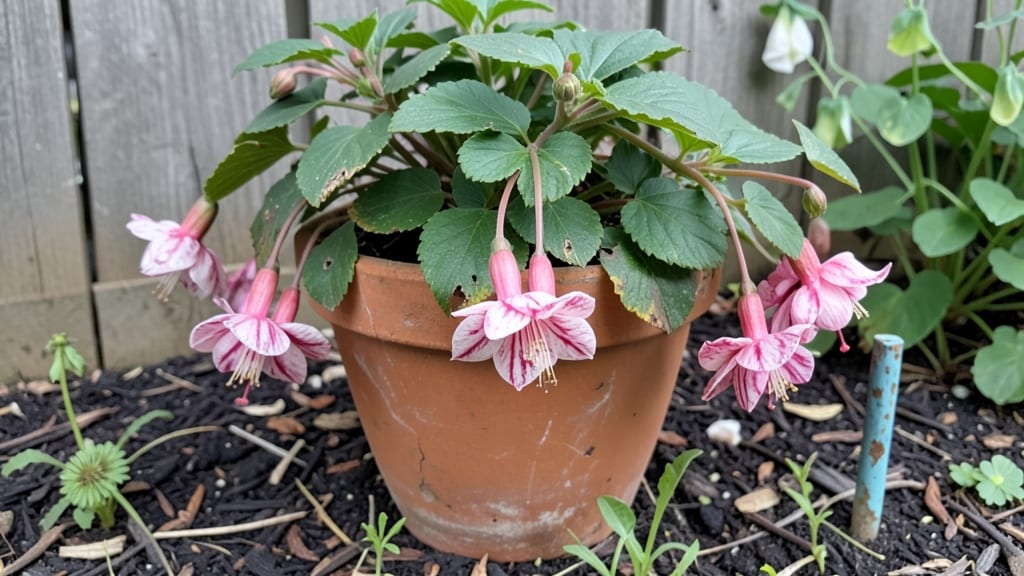
My best dangling plants don't just fill space—they turn walls, trellises, and containers into lush, living waterfalls. 🌿 After years of experimenting, I’ve narrowed it down to varieties that thrive in small spaces while demanding minimal fuss, from fuchsias that spill over baskets to string of pearls that drape like emerald curtains.
The secret isn’t just picking pretty plants; it’s matching their habits to your light, humidity, and available real estate.
You’ll need a mix of hanging baskets (for fuchsias and petunias), trellises (for climbing nasturtiums), and even ground-level planters (for creeping thyme or ivy). Most of these plants love morning sun and afternoon shade, though a few, like trailing lobelia, will tolerate full sun if kept consistently moist.
The payoff? Instant vertical interest that blooms, fragrant foliage that invites pollinators, and a garden that feels alive without taking up square footage.
Imagine your patio transformed: petunias tumbling in pink waves, ivy softening brick walls, and string of pearls creating a textured green cascade. These plants aren’t just pretty—they’re low-maintenance powerhouses that reward you with color, texture, and even edible blooms (like nasturtiums) all season long.
Plus, they’re perfect for balconies, small yards, or even indoors near bright windows.
Here’s the kicker: many of these thrive in containers as small as 6 inches wide, making them ideal for urban gardens or renters. I’ll walk you through the top 10 varieties, their care quirks, and how to combine them for maximum drama—no green thumb required.
Let’s get your space growing upward!
📚 In This Guide
- What you need
- Instructions
- Tips and common mistakes
- Wrapping up and next steps
What you need
- ● Dangling plants: Choose 3–5 varieties (e.g., String of Hearts (Ceropegia woodii), String of Pearls (Senecio rowleyanus), or Trailing Pothos (Epipremnum aureum)). Start with 1–2 plants per container for a balanced look.
- ● Containers: Hanging planters (2–4, depending on plant count): 6–12" diameter with drainage holes.
- ○ Optional: Macramé hangers, terracotta pots, or wall-mounted pockets for a boho or modern vibe.
- ● Potting mix: 1–2 bags of well-draining cactus/succulent mix (or regular potting soil + perlite/vermiculite for moisture control).
- ● Drainage: Small pebbles or broken pottery shards (1 cup per container).
- ● Basic tools: Trowel or small shovel for planting.
- ● Pruning shears (sterilized) for trimming.
- ● Spray bottle (for misting delicate plants like String of Hearts).
- ○ Optional upgrades: Self-watering planters (for busy plant parents!).
- ● LED grow lights (if placing in low-light areas).
- ● Plant labels (to track care needs).
- ● Location prep: Sturdy hooks or brackets for hanging (test weight capacity!).
- ● Sunlight assessment: Most danglers thrive in bright, indirect light (6+ hours/day).
Step-by-Step guide to creating a stunning vertical dangling plant display
Transform any small space into a lush, cascading oasis with these show-stopping trailing plants.
🌱 Step 1: Select the Perfect Trailing Plants for Your Space
For maximum impact, choose four varieties that complement each other in texture, color, and growth habit. I always pick a mix of fast growers like string of pearls (Senecio rowleyanus) and slower, lush varieties like creeping jenny (Lysimachia nummularia). These four will create instant drama: trailing pothos (Epipremnum aureum), burro's tail (Sedum morganianum), swedish ivy (Plectranthus verticillatus), and creeping fig (Ficus pumila).
Check light requirements before buying—creeping fig thrives in bright, indirect light, while burro's tail prefers bright light with some direct sun. Place your plants where they’ll get their ideal conditions, and you’ll see them flourish within 4-6 weeks. Avoid placing sun-lovers in deep shade, or you’ll end up with sad, leggy stems.
🪴 Step 2: Choose and Prepare Your Hanging Containers
For this display, you’ll need four 6-8 inch hanging baskets with drainage holes—macramé or ceramic work beautifully. I swear by coconut fiber liners in the bottom to retain moisture while preventing root rot. Fill each basket with 2-3 inches of lightweight potting mix, leaving room for roots to breathe. Don’t pack it down; trailing plants hate compacted soil.
Here’s the trick: add a 1-inch layer of orchid bark on top of the potting mix. This creates an airy root zone that mimics their natural climbing habitat. Mix in a slow-release fertilizer (like 4-4-4) to give them a nutrient boost right from the start. Water each basket until moisture drips from the drainage hole—this ensures even saturation without waterlogging.
☀️ Step 3: Plant and Arrange for Maximum Drama
Plant each trailing variety in its own basket, positioning them so their growth habits cascade differently. Trailing pothos and creeping fig should go in the front baskets—their long vines will spill over the edges first. Burro’s tail and swedish ivy belong in the back, where their unique textures will peek through the gaps. Use your fingers to tease out the roots gently and spread them over the orchid bark layer.
Once planted, give each basket a deep watering until water runs out the bottom. Place them in their final positions—hang them at varying heights (some at eye level, others higher or lower) to create a dynamic, layered effect. Within 2-3 weeks, you’ll see new growth spilling over the edges, and that’s when the magic really begins.
💧 Step 4: Master the Watering and Light Routine for Lush Growth
Trailing plants are thirsty but hate soggy roots. Water each basket every 2-3 days until water flows freely from the drainage hole. Check the soil with your finger—if the top ½ inch feels dry, it’s time to water. In hotter months, you may need to water daily, but always let excess water drain away completely to prevent root rot.
Rotate your baskets a quarter turn weekly so all sides get even light exposure. Creeping fig and trailing pothos can handle low to bright indirect light, but burro’s tail will reward you with vibrant rosettes if you give it 4-6 hours of morning sun. Watch for leaves turning yellow or brown—this is your cue to adjust light or watering immediately.
✂️ Step 5: Prune and Maintain for Year-Round Beauty
Pinch back leggy stems every 4-6 weeks to encourage bushier growth. With trailing pothos, I trim the longest vines back by ⅓ to keep them from getting too sparse. For burro’s tail, remove any brown or dried-out leaves right at the base—this plant is sensitive to dead foliage and will reward you with fresh, plump rosettes.
Fertilize once a month during spring and summer with a balanced liquid fertilizer (like 10-10-10). In fall and winter, cut back to every 6-8 weeks—these plants grow slower in cooler months, and over-fertilizing can burn their delicate roots. By late winter, you’ll notice new shoots emerging, signaling it’s time to ramp up care for the growing season.
Tips & tricks for perfect vertical dangling plant displays
These game-changing insights will transform your vertical garden from ordinary to extraordinary—turning any small space into a breathtaking botanical masterpiece.
The Light Factor: Pay special attention to the 4-6 hours of morning sun requirement for burro's tail. Position these baskets near an east-facing window where they'll receive gentle sunlight without the harsh afternoon heat. I've seen dramatic color differences in burro's tail when given just 2 extra hours of morning light—those vibrant rosettes will make all the difference in your display's visual impact.
Root Zone Strategy: That 1-inch layer of orchid bark in Step 2 isn't just decorative—it's the secret to thriving trailing plants. The bark creates an airy, well-draining environment that mimics their natural epiphytic growing conditions. For extra insurance, I like to add a handful of perlite to the potting mix to prevent compaction, which trailing plants absolutely hate.
Arrangement Pro Tip: When positioning your baskets at varying heights in Step 3, think about the "rule of thirds" from photography. Place one basket at true eye level, one slightly higher, and one lower to create natural visual balance. This technique draws the eye through your display, making it feel intentionally designed rather than randomly placed.
Pruning Precision: The 4-6 week pruning schedule for trailing pothos is non-negotiable if you want that lush, bushy look. I've found that pinching back new growth at the first set of leaves (not the third) encourages more branching. For burro's tail, always remove dead leaves at the base—this plant is particularly sensitive to decaying foliage, which can attract pests and stunt growth.
Pro Tips for Best Dangling Plants
- These game-changing insights will transform your vertical garden from ordinary to extraordinary—turning any small space into a breathtaking botanical masterpiece.
- The Light Factor: Pay special attention to the 4-6 hours of morning sun requirement for burro's tail.
- Root Zone Strategy: That 1-inch layer of orchid bark in Step 2 isn't just decorative—it's the secret to thriving trailing plants.
Frequently asked questions
1. What are the easiest dangling plants for beginners?
Start with low-maintenance stars like String of Pearls (Senecio rowleyanus) or String of Hearts (Ceropegia woodii). Both thrive in bright, indirect light and need minimal watering—perfect for new plant parents! Pothos (Epipremnum aureum) is another great pick with its trailing vines and hardy nature.
2. How often should I water dangling plants in hanging planters?
Check soil moisture weekly—stick your finger 1-2 inches deep. Most dangling plants prefer dry soil between waterings, especially succulents like String of Pearls. Overwatering is the #1 killer, so err on the side of less water. Adjust based on humidity, season, and pot size (smaller pots dry faster!).
3. Can dangling plants survive in low-light conditions?
Some can! Pothos, Philodendron, and Peperomia tolerate low to medium light but may grow slower or lose vibrancy. For true low-light lovers, opt for Cast Iron Plant (Aspidistra elatior) or ZZ Plant (Zamioculcas zamiifolia), though their dangling varieties are less common. Avoid succulents—they need bright light to thrive.
4. How do I prune dangling plants to encourage bushier growth?
Trim leggy stems just above a leaf node (where leaves grow) to prompt branching. Use clean scissors and pinch off the tips of vines to discourage overgrowth. For succulents like String of Pearls, prune sparingly—they grow slowly. Repot every 1-2 years to refresh soil and give roots more space to flourish.
5. What should I do if my dangling plant gets pests like spider mites?
Isolate the plant immediately to prevent spread. Wipe leaves with a neem oil solution (1 tsp neem oil + 1 quart water) or spray with insecticidal soap. For severe infestations, repeat every 5-7 days. Boost humidity (pests love dry air!) and keep new growth clean to deter future pests.
6. Are there any dangling plants that bloom?
Try Trailing Lobelia (tiny blue/purple flowers), Creeping Jenny (Lysimachia nummularia) (golden-yellow blooms), or Trailing Petunias for vibrant summer color. For indoors, Trailing Orchids (like Phalaenopsis) offer delicate, long-lasting flowers. Pair them with a trellis or hanging basket for dramatic effect!
Wrapping up and next steps
Transforming your small space into a lush, green paradise is easier than you think! The best dangling plants—like String of Hearts, Pothos, or Spider Plants—bring life, texture, and a touch of whimsy to walls, shelves, and balconies.
Whether you’re a seasoned gardener or just starting, these trailing beauties thrive with minimal effort and maximum impact.
Ready to elevate your vertical garden? Pick one (or three!) from our top picks, grab your supplies, and let your creativity flow. Happy planting—your walls (and plants) will thank you! 🌿✨