
Landscaping
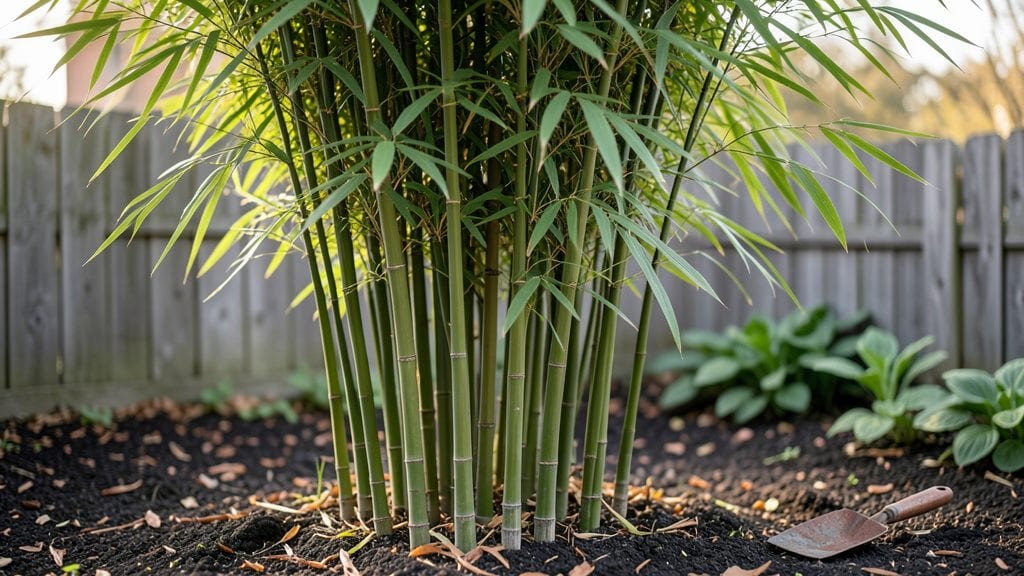
A bamboo plant privacy fence grows faster than any other natural screen—imagine 15 feet of lush green in just three years. 🌿 I planted mine last spring, and by summer, the neighbors couldn’t stop asking how I did it.
The key isn’t just picking any bamboo; it’s choosing the right variety for your climate and space.
Clumping bamboo varieties like Fargesia or Borinda stay contained, while running types like Phyllostachys spread aggressively—so pick based on your yard size. You’ll need about 3-4 plants per 6-foot section for a dense screen, planted 3-5 feet apart. The soil needs good drainage, and a root barrier keeps things tidy.
By year two, you’ll have a solid wall of foliage that blocks noise and prying eyes. The texture is velvety, the color stays vibrant, and it requires far less upkeep than a wooden fence. Just trim back any stragglers in early spring, and you’re set for another season of privacy.
Perfect for backyard borders, pool areas, or even urban balconies with container-grown varieties. The best part? Unlike wood, your bamboo fence gets more beautiful—and more valuable—every year. Ready to plant yours?
📚 In This Guide
- What you need
- Instructions
- Tips and common mistakes
- Wrapping up and next steps
What you need
- ● Bamboo plants: 10–20 clumping bamboo poles (e.g., Fargesia or Phyllostachys varieties), depending on fence height (taller = more plants). Choose 1–2 inch diameter poles for durability.
- ● Post holes digger or auger: For digging holes 12–18 inches deep and 6–8 inches wide (or rent a post-hole digger for efficiency).
- ● Concrete mix: 60 lbs (for securing posts; use quick-setting mix if you’re in a hurry).
- ● T-posts or wooden stakes: 4–6 feet tall, spaced 3–4 feet apart (one per bamboo plant).
- ● Garden twine or landscape fabric: To tie plants to stakes temporarily (biodegradable twine is eco-friendly!).
- ○ Mulch (optional but recommended): 2–3 inches of wood chips or straw to retain moisture and suppress weeds.
- ● Shovel and spade (for digging and backfilling).
- ● Level (to ensure posts are straight).
- ● Measuring tape (25–50 feet, depending on fence length).
- ● Wheelbarrow (for mixing concrete).
- ● Gloves and knee pads (because comfort matters!).
- ● Pruners (for trimming bamboo as it grows).
- ● String line (to mark fence layout before digging).
- ● Sunlight: Partial shade to full sun (6+ hours/day for best growth).
- ● Soil: Well-draining, slightly acidic (pH 5.5–6.5). Amend clay soil with compost.
- ● Water source: Hose or drip irrigation (bamboo needs 1–2 inches of water weekly for the first year).
- ● Space: 3–6 feet apart between plants (depends on mature width; check your bamboo variety!).
- ● Note: Avoid running bamboo (like Phyllostachys aureosulcata) unless you want it to spread aggressively!
How to build a fast-growing bamboo privacy screen in 3 years
Here's how to create a lush, wind-resistant screen that grows quickly and blocks noise—no construction required.
🌱 Step 1: Choose the Right Bamboo Variety for Fast Growth
Not all bamboo is created equal. Clumping bamboo like Fargesia robusta or Fargesia nitida spreads slowly and stays contained, while running bamboo like Phyllostachys aureosulcata spreads aggressively. For a fast, contained screen, I always pick clumping types—they grow 3-5 feet per year without taking over your yard.
Check your hardiness zone. Most bamboo thrives in zones 5-9. If you're in a colder zone, opt for Fargesia species—they handle frost better than tropical types. Avoid bamboo labeled "invasive" unless you're prepared for root barriers.
🪴 Step 2: Plant in Early Spring for Maximum Growth
Plant your bamboo in early spring when soil temperatures reach 50°F. Dig holes twice as wide as the root ball and 6 inches deeper to encourage root spread. Space plants 3-5 feet apart for a dense screen—closer spacing works for faster coverage but may require thinning later.
Mix the removed soil with compost or aged manure (if available) to improve drainage. Bamboo roots need oxygen, so avoid compacted clay. Place each plant so the top of the root ball sits 1 inch below soil level—this prevents stem rot from sitting water.
☀️ Step 3: Water Deeply and Mulch to Retain Moisture
Water immediately after planting to settle the soil, then water deeply 2-3 times per week for the first month. You'll know it's enough when water drains out the bottom of the hole—bamboo roots hate soggy conditions but need consistent moisture. After establishment, reduce to 1 inch of water per week.
Spread 3-4 inches of mulch around each plant, keeping it 6 inches away from the stem to prevent rot. Use wood chips or straw—they break down slowly and keep roots cool. Mulch also smothers weeds, which compete for water and nutrients.
✂️ Step 4: Prune for Density and Control Spread
In late winter or early spring, cut back any dead or damaged canes to the ground. For a fuller screen, trim 1/3 of the oldest canes at the base—this encourages new growth from the center. Avoid heavy pruning in summer; it stresses the plant and slows growth.
Watch for runners (long stems) in running bamboo types. If you planted clumping bamboo, you shouldn’t see these. If you do, dig up and remove any unwanted shoots immediately. A 6-inch deep root barrier (if installed) will also help contain aggressive varieties.
💧 Step 5: Fertilize Lightly for Steady Growth
Apply a balanced, slow-release fertilizer (like 10-10-10) in early spring and again in midsummer. Follow package rates—over-fertilizing causes weak stems and attracts pests. Bamboo grows fast, but it doesn’t need heavy feeding. Too much nitrogen leads to floppy canes that break in wind.
After two years, your screen should reach 8-10 feet tall. By year three, it’ll block most views and noise. If growth slows, check for compacted soil or poor drainage—bamboo roots need room to breathe and expand.
Tips & tricks for building a fast-growing bamboo privacy screen
Here's the secret to a lush, wind-resistant screen that grows quickly without taking over your yard—these tricks make all the difference.
Variety Selection: Don't just grab any bamboo! Clumping types like Fargesia robusta or Fargesia nitida grow 3-5 feet per year while staying contained—perfect for a privacy screen. I learned this the hard way after dealing with invasive runners that spread uncontrollably. Always check the label for "clumping" varieties and avoid anything marked "invasive" unless you're prepared for serious maintenance.
Timing is Everything: Planting in early spring when soil temperatures hit 50°F gives your bamboo the perfect head start. I've seen plants grow 2 feet taller in their first season when planted at the right time versus those planted in late spring. If you miss this window, don't worry—just wait for next year's early spring planting.
Root Ball Placement: The 1 inch below soil level placement in Step 2 isn't just arbitrary—it prevents stem rot by keeping the base slightly buried while allowing roots to expand. I've seen many gardeners skip this and end up with plants that struggle or develop rot at the base. Use a level to ensure consistent depth across all plants.
Watering Wisdom: Those 2-3 times per week deep waterings in the first month are crucial—bamboo roots need consistent moisture to establish properly. I've noticed that plants watered with a light sprinkle develop shallow roots that can't support the rapid growth. Use a hose with a gentle spray nozzle to water deeply until you see water draining from the bottom of the hole.
Pro Tips for Bamboo Plant Privacy Fence
- Here's the secret to a lush, wind-resistant screen that grows quickly without taking over your yard—these tricks make all the difference.
- Variety Selection: Don't just grab any bamboo!
- Timing is Everything: Planting in early spring when soil temperatures hit 50°F gives your bamboo the perfect head start.
Frequently asked questions
Got questions about creating a bamboo plant privacy fence? You’re not alone! Here are some of the most common concerns—and straightforward answers—to help you plan with confidence.
How fast does bamboo actually grow for a privacy fence?
Clumping bamboo varieties (like Bambusa multiplex) grow 2–3 feet per year, while running bamboo (e.g., Phyllostachys) can shoot up 3–5 feet annually. With proper care, you’ll see noticeable height in just 1–2 years, and full privacy in 3–5 years.
Is bamboo cheaper than traditional privacy fences?
Yes! While initial costs for bamboo plants ($2–$10 per stalk) may seem higher than wood or vinyl, they’re long-term savings. No materials, staining, or replacements needed—just water and sunlight. Over 10+ years, bamboo wins for affordability and sustainability.
Will bamboo spread and damage my yard?
Only running bamboo spreads aggressively via underground rhizomes. To prevent this, plant clumping bamboo or install a rhizome barrier (HDPE plastic, 30" deep). With containment, bamboo stays put and adds beauty without the hassle.
Can I plant bamboo in partial shade?
Most bamboo thrives in full sun (6+ hours/day), but some varieties (e.g., Bambusa multiplex) tolerate partial shade. If shading is unavoidable, ensure well-draining soil and regular watering to support slower growth. Avoid deep shade—it weakens stalks and reduces privacy.
How do I maintain a bamboo fence to keep it looking neat?
Prune dead or overgrown stalks in late winter/early spring to encourage new growth. Thin dense areas for airflow, and fertilize once a year (spring) with bamboo-specific food. No pesticides needed—bamboo is pest-resistant! Mulch annually to retain moisture.
Are there eco-friendly alternatives to bamboo for privacy?
If bamboo isn’t your style, consider:
- Native shrubs (e.g., arborvitae, privet) – slower but low-maintenance.
- Fast-growing trees (e.g., Leyland cypress) – taller but need more space.
- Living walls (e.g., trellises with vines like wisteria) – decorative but labor-intensive.
- Recycled plastic lattice – instant privacy, zero growth.
Wrapping up and next steps
A bamboo plant privacy fence isn’t just a stylish addition to your yard—it’s a sustainable, low-maintenance solution that grows faster than traditional options. With the right variety and care, you’ll enjoy a lush, natural screen in just 3 years, enhancing privacy and curb appeal effortlessly. 🌿
Ready to transform your outdoor space? Start by choosing your bamboo type, gathering supplies, and planting with confidence. Your dream privacy screen is closer than you think—just take the first step today!