
Pruning
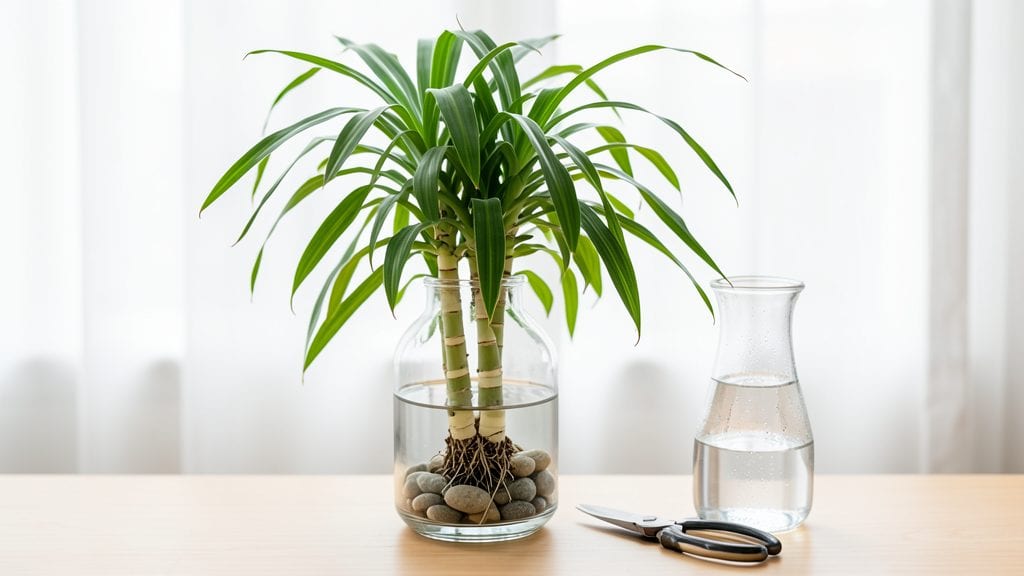
Pruning bamboo plants keeps them from turning your yard into a jungle. 🌿 I’ve wrestled with runaway bamboo before—it’s invasive, fast, and will take over if you don’t act. The right cuts at the right time make all the difference between a controlled screen and a tangled mess.
You’ll need sharp pruners, gloves, and a clear plan for three key cuts: removing dead canes, thinning crowded shoots, and trimming back aggressive runners. Timing matters too—spring and early summer are ideal, before new growth gets out of hand.
Most people skip the rhizome check, but that’s where the real control happens.
After pruning, your bamboo will look neater, grow stronger, and stop spreading where you don’t want it. The first year, you might see a 30% reduction in new shoots, and the plant’s energy shifts to thicker, healthier canes.
Just avoid cutting too late in the season—new growth won’t harden off before winter.
Works for both clumping and running bamboo, though running types need extra vigilance. Once you master these cuts, your bamboo stays manageable year after year. Let’s get those canes under control!
📚 In This Guide
- What you need
- Instructions
- Tips and common mistakes
- Wrapping up and next steps
What you need
- ● Pruning shears or loppers: Sharp, bypass-style shears (for small stems) or loppers (for thicker stalks up to 2 inches in diameter). Must be sterilized with rubbing alcohol to prevent disease spread.
- ● Pruning saw: A bow saw or pruning saw with a fine-tooth blade for cutting through thick bamboo culms (3+ inches in diameter).
- ● Heavy-duty gloves: Garden gloves with reinforced palms (e.g., leather or Kevlar) to protect against sharp edges and sap.
- ● Safety glasses: ANSI-rated goggles to shield eyes from debris and splinters.
- ○ Disinfectant (optional but recommended): 70% isopropyl alcohol or a 10% bleach solution to clean tools between cuts.
- ● Rake or broom: For clearing debris after pruning.
- ● Marking spray or chalk: To label cuts (e.g., "cut here" or "remove") if working with a team.
- ● Pole saw: For high-reach pruning (extendable 6–10 feet).
- ● Knee pads: If kneeling frequently for ground-level cuts.
- ● Plastic sheeting: To lay down mulch or protect soil while working.
- ● Sharpener: A file or sharpening stone to maintain tool edges mid-session.
- ● Notebook or app: To log pruning dates, cuts, and plant responses for future reference.
- ● Know your bamboo type: Running vs. clumping bamboo affects pruning methods. Running bamboo (e.g., Phyllostachys) spreads aggressively and may need root barriers.
- ● Check the season: Prune in late winter or early spring (before new growth) for best results.
- ● Weather conditions: Avoid pruning during rain or extreme heat—aim for a dry, overcast day.
Step-by-Step guide to pruning bamboo plants
Here’s how to keep your bamboo lush and manageable with just three strategic cuts.
✂️ Step 1: Remove Dead or Diseased Canes
First, scan your bamboo for any canes that look brown, hollow, or mushy at the base—these are dead or dying and won’t recover. Grab a pair of clean, sharp pruners and cut these canes at the ground level, just above the soil line. This prevents disease from spreading to healthy growth.
I always start with the obvious offenders, but don’t stop there. Check for canes with blackened spots, oozing sap, or soft stems—these are signs of fungal infection or rot. Remove them immediately, then disinfect your pruners with rubbing alcohol to avoid cross-contamination.
✂️ Step 2: Thin Out Crowded Canes for Airflow
Bamboo grows aggressively, and overcrowding leads to weak, spindly canes. Aim to leave 3-5 of the strongest, healthiest canes per clump, depending on the variety. Use your pruners to cut the thinnest or most tangled canes at the base, making a clean slice just above the soil.
Real talk: This step feels brutal at first, but it’s the secret to thicker, more vibrant growth. You’ll notice the remaining canes will thicken within weeks as they compete less for resources. If you’re unsure which to keep, pick the ones with deep green leaves and sturdy stems.
✂️ Step 3: Trim Overgrown or Unruly Growth
Now focus on the tops. If your bamboo is taller than you’d like or has overly long, floppy fronds, it’s time to prune the tips. Use your pruners to cut back 1/3 of the new growth on each cane, just above a leaf node (the bump where leaves attach). This encourages bushier growth and prevents the plant from toppling.
For clumping bamboo, I also trim any suckers (new shoots) that pop up more than 12 inches from the main clump. These steal energy from the mother plant. If your bamboo is running (spreading via rhizomes), dig up and remove any stray shoots to contain its spread.
✂️ Step 4: Shape and Maintain Year-Round (Optional)
After the big cuts, take a step back and assess the shape. If your bamboo has lopsided growth, prune slightly more on the denser side to balance it out. For ornamental varieties, you can also trim fronds to encourage a fuller look—just avoid cutting more than 20% of the foliage at once.
Here’s the thing—bamboo responds well to regular maintenance. I prune mine once in early spring (just as new shoots emerge) and again in late summer to tidy up. Water deeply after pruning to help the plant recover, and avoid fertilizing for 4-6 weeks to let the cuts heal.
Tips & tricks for pruning bamboo plants
These simple tricks will help you prune like a pro and keep your bamboo thriving for years.
Timing is Everything: The early spring timing in Step 4 is key because that's when new shoots emerge—this is the best time to assess which canes to keep. Late summer is perfect for tidying up because the plant is actively growing but hasn't started preparing for dormancy. Between us, don't prune in winter unless absolutely necessary, as the plant needs all its energy to survive cold temperatures.
Tool Prep Matters: Before you even touch your bamboo, clean and sharpen your pruners. I learned this the hard way after struggling to cut through thick canes with dull blades—it creates jagged cuts that invite disease. Wipe down your pruners with rubbing alcohol between cuts (as mentioned in Step 1) to prevent spreading any potential pathogens. A small investment in quality pruners makes this job so much easier.
Visual Cues for Healthy Canes: When selecting which canes to keep in Step 2, look for these telltale signs of health: vibrant green leaves that stand upright, sturdy stems that don't wobble when gently shaken, and fresh new growth at the tips. Avoid canes with yellowing leaves, weak stems, or sparse foliage—they're not worth keeping. The goal is to create space for the strongest canes to flourish.
Post-Pruning Care: After you've made all your cuts, don't just walk away! Water deeply right after pruning to help the plant recover, especially if you've removed a significant portion of foliage. The 4-6 week fertilizer break mentioned in Step 4 gives the plant time to heal and establish new growth without competing with nutrients. I always add a layer of mulch around the base to retain moisture and protect new shoots.
Pro Tips for Pruning Bamboo Plant
- These simple tricks will help you prune like a pro and keep your bamboo thriving for years.
- Timing is Everything: The early spring timing in Step 4 is key because that's when new shoots emerge—this is the best time to assess which canes to keep.
- Tool Prep Matters: Before you even touch your bamboo, clean and sharpen your pruners.
Frequently asked questions
Got questions about pruning bamboo?
You’re not alone—this fast-growing plant can be tricky! Below, we’ve answered the most common queries to help you tackle pruning like a pro.
When is the best time to prune bamboo?
The ideal time to prune bamboo is late winter or early spring, just before new growth begins. This timing ensures you remove old canes without disrupting the plant’s energy reserves. Avoid pruning in fall—it can stimulate new shoots that won’t harden off before winter. For running bamboo, prune aggressively in early spring to control spread.
How often should I prune my bamboo?
Prune running bamboo annually to manage its aggressive spread, while clumping bamboo may only need pruning every 2–3 years for shape and health. Focus on removing dead, weak, or overcrowded canes. Regular maintenance (like trimming stray shoots) can reduce the need for heavy pruning later. Pro tip: Mark your calendar—consistency is key!
What if I prune bamboo at the wrong time?
Pruning at the wrong time (e.g., mid-summer or fall) can stress the plant, leaving it vulnerable to pests or disease. You might also trigger unwanted regrowth that won’t mature before winter. If you must prune outside the ideal window, do so lightly—focus on dead or damaged canes only. Patience pays off!
Can I prune bamboo to change its shape or height?
Yes! You can shape bamboo by selectively pruning taller canes to encourage bushier growth. For height control, trim the top 1/3 of new shoots in early spring. Avoid cutting back more than 1/3 of the plant at once—this can shock it. For dramatic changes, prune gradually over 2–3 years to avoid stressing the plant.
What should I do if my bamboo keeps spreading even after pruning?
If running bamboo persists, it may have underground rhizomes beyond your pruning zone. Try these fixes:
- Dig a trench (2–3 ft deep) around the plant to block rhizome spread.
- Use a barrier root barrier (like hardware cloth) buried vertically.
- Consider clumping bamboo varieties (e.g., ‘Boryana’ or ‘Golden Goddess’) for low-maintenance alternatives.
Wrapping up and next steps
Pruning your bamboo isn’t just about keeping it tidy—it’s the secret to healthier, stronger, and more manageable growth! 🌿 By mastering the three key cuts (crown, tip, and root pruning), you’ll encourage dense foliage, prevent overgrowth, and even save your plants from pests or disease.
Remember, consistency is key, so grab those shears and give your bamboo the TLC it deserves.
Ready to transform your garden? Start small—pick one section to prune this weekend and watch your bamboo thrive! Need a refresher? Bookmark this guide or share it with fellow plant lovers. Happy pruning! 🌱✨