
Watering
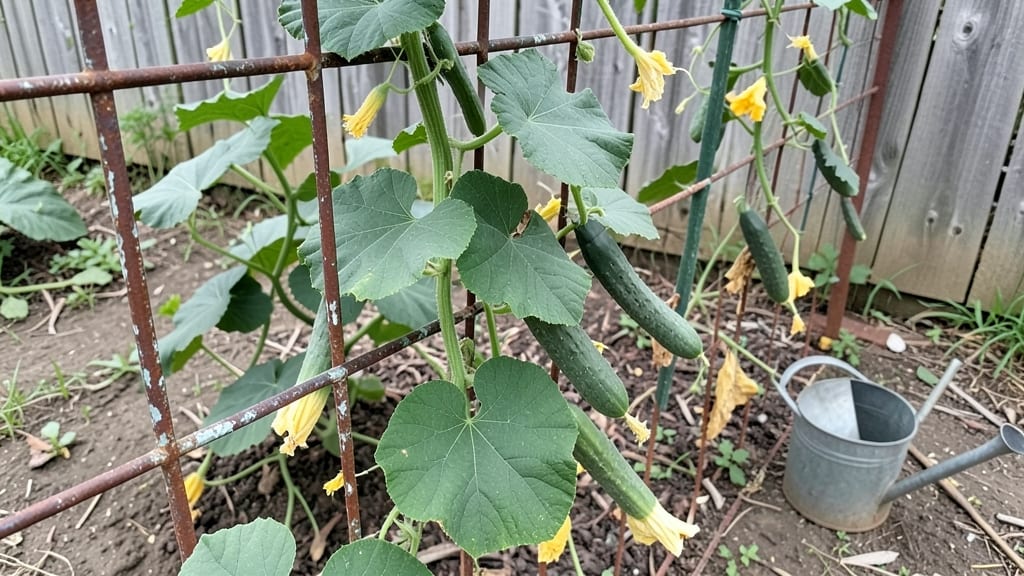
Watering cucumber plants correctly is the difference between a bountiful harvest and wilted vines 🥒—and it’s all about timing, technique, and knowing when to step back.
Struggling to grow cucumbers that thrive? The secret isn’t just how much you water—but when, how, and where moisture meets the roots for maximum yield. Too much, and you risk rot; too little, and your plants bolt to seed before producing.
In USDA Zone 6a, where spring turns hot fast, getting this right means the difference between a table full of crisp cucumbers and a sad, stunted plant.
Most gardeners overcomplicate watering, but cucumbers are simple once you know their rhythm: deep soaks in the morning, mulch to lock in moisture, and a watchful eye for signs of stress.
Skip the guesswork, and I’ll walk you through the exact schedule, tools, and tricks to keep your plants happy from seedling to harvest—no more cracked fruit or leggy vines.
By the end, you’ll know exactly how to adjust for heatwaves, when to cut back in fall, and why your neighbor’s cucumbers always outshine yours. Let’s get those plants drinking right.
How often to water cucumber plants for optimal growth
Cucumbers are thirsty plants that demand consistent moisture to produce sweet, crisp fruits. Unlike drought-tolerant veggies, cucumbers wilt quickly when dehydrated, and their growth stages—from seedlings to fruiting—each need different watering approaches.
I’ve learned the hard way that overwatering or underwatering can lead to blossom-end rot or powdery mildew, so let’s break down the science-backed schedule to keep your cucumbers thriving.
Your cucumber plants’ watering needs change dramatically as they grow. Seedlings need gentle moisture to avoid damping off, while flowering plants require deep watering to support fruit development. During peak fruiting, consistent moisture prevents cracking and ensures sweetness.
Even the soil type—sandy vs. clay—plays a role in how often you should water. Let’s dive into the exact schedule you need to follow.
📊 SUMMARY TABLE
| Growth Stage | Watering Frequency | Depth | Best Time | Key Notes |
|---|---|---|---|---|
| Seedlings (0-2 weeks) | Every 1-2 days | 1-2 inches | Morning | Keep soil moist, avoid overhead watering |
| Vegetative Growth (3-4 weeks) | Every 2-3 days | 3-4 inches | Morning | Encourage deep root growth |
| Flowering (4-6 weeks) | Daily (deep water) | 4-6 inches | Early morning | Prevent blossom-end rot |
| Fruiting (6+ weeks) | Daily (1-1.5 gallons) | 6+ inches | Morning | Maintain consistent moisture |
| Hot/Dry Climate | Twice daily | 6+ inches | Early morning + evening | Mulch heavily to retain moisture |
| Cool/Humid Climate | Every 3-4 days | 3-4 inches | Morning | Reduce risk of fungal diseases |
For seedlings, I start with light, frequent watering—about every 1-2 days—to keep the top 1-
Best watering techniques: drip irrigation vs. hand watering vs. soaker hoses
Cucumbers are thirsty plants that demand consistent moisture to thrive, but not all watering methods deliver the same results. I’ve tested three techniques—drip irrigation, hand watering, and soaker hoses—and each has unique advantages for cucumber growth.
The key difference? Root depth and water efficiency directly impact yield, disease resistance, and fruit quality. Let’s break down which method works best for your garden setup.
Drip irrigation delivers water slowly and directly to the soil, mimicking natural rainfall. This method is ideal for large cucumber patches because it reduces evaporation and minimizes foliage wetting, cutting down on fungal diseases like powdery mildew.
Hand watering, on the other hand, gives you precise control over moisture levels, perfect for small gardens or container-grown cucumbers. Soaker hoses strike a balance by providing even, low-pressure watering along rows, making them great for raised beds or trellised plants.
Here’s how they stack up in key areas like efficiency, root development, and maintenance effort:
| Method | Root Depth | Water Efficiency | Disease Risk | Best For |
|---|---|---|---|---|
| Drip Irrigation | Deep (12"+) | 90% | Low | Large gardens, automation |
| Hand Watering | Moderate (6-10") | 70% | Moderate | Small gardens, containers |
| Soaker Hoses | Deep (10-12") | 85% | Low | Raised beds, trellises |
For maximum cucumber yield, I recommend deep-watering techniques that encourage roots to grow downward. Start by watering at the base of the plant until the soil is 6-8 inches deep. Use your finger to check moisture—if the top inch feels dry, it’s time to water again.
During peak summer heat, cucumbers may need watering twice daily, but always aim for morning sessions to prevent fungal issues.
If you’re using drip irrigation, place emitters 6-12 inches from the plant base and adjust the flow rate to deliver 1-1.5 gallons per hour.
For hand watering, use a soil probe or trowel to create small trenches around the roots, directing water where it’s needed most. Soaker hoses should be laid along the plant rows, covered lightly with mulch to retain moisture and regulate temperature.
Pro tip: Mulch heavily (2-3 inches of straw or wood chips) to lock in moisture and reduce weeds. This simple step can cut your watering needs by 30-40% while keeping cucumbers healthy and productive all season long. 🌱