
How To
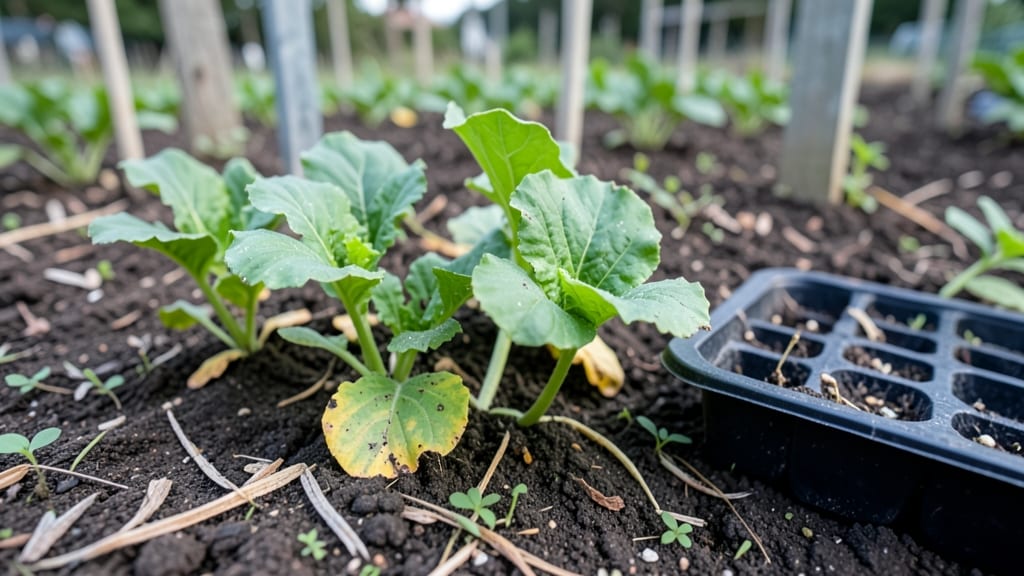
Planting on the Old Farmer’s Almanac’s recommended days gives your garden a head start—literally. I’ve used these timing guides for years to stretch my growing season, and the difference between planting on a "good" day versus a "bad" one is shocking.
The almanac factors in moon phases, soil temperatures, and regional frost patterns to tell you exactly when to sow seeds or transplant seedlings for maximum success.
Here’s the thing—it’s not about blindly following dates. You’ll need your local last frost date, a planting calendar from your region, and maybe a soil thermometer to fine-tune.
For example, my zone 6 tomatoes thrive when planted on the almanac’s recommended days in early May, but in cooler years, I hold off until late May. The key is layering the almanac’s guidance with your own observations.
What you’ll get is a garden that produces earlier, more reliably, and with fewer surprises. My zucchini plants now hit the ground running, and my fall kale matures before the first frost.
The almanac’s timing helps you avoid common pitfalls like bolting greens or stunted growth from cold soil. It’s not magic—it’s data-driven gardening.
Works for every season, from spring lettuce to winter garlic. Once you start using these planting windows, you’ll wonder how you ever guessed. Here’s how to make it work for your garden.
📚 In This Guide
- What you need
- Instructions
- Tips and common mistakes
- Wrapping up and next steps
What you need
- ● Seed packets or seedlings: Choose varieties suited to your climate zone (check the almanac for recommendations). Start with 1–5 packets per crop type, depending on your garden size.
- ● High-quality soil: 1–2 cubic yards of well-draining potting mix or garden soil (amend with compost for nutrients).
- ● Organic compost: 1–2 bags (5–10 lbs each) to enrich soil and retain moisture.
- ● Watering can or hose with nozzle: A gentle spray setting is ideal for seedlings.
- ● Plant markers: Biodegradable labels or popsicle sticks (10–20) to track varieties.
- ● Hand trowel or transplanting spade: For digging small holes (6–12 inches deep).
- ● Garden gloves: A pair to protect hands from dirt and thorns.
- ● Pruners or scissors: For trimming seedlings or cutting seed packets open.
- ● Measuring tape or ruler: To space plants according to almanac guidelines (e.g., 12–24 inches apart for tomatoes).
- ○ Mulch (optional): Straw, shredded leaves, or pine needles (1–2 bags) to conserve moisture and suppress weeds.
- ● Local almanac or planting calendar: Download a free Old Farmer’s Almanac app or print a zone-specific guide.
- ● Frost dates: Know your last frost date (spring) and first frost date (fall) for your area.
- ● Sunlight assessment: Identify garden beds with 6+ hours of sunlight (full sun) or 3–6 hours (partial sun).
- ● Weather forecast: Plan for 3–5 consecutive dry days after planting to avoid soil erosion.
- ○ 💡 Test your soil: A pH kit (optional but helpful) ensures your soil is ready for planting (aim for 6.0–7.0 for most veggies).
- ● 🌡️ Warm up seedlings: If starting indoors, use a heat mat or sunny windowsill to harden off plants before transplanting.
- ● 🎯 Mark your calendar: Set reminders for almanac moon phases (e.g., "plant above-ground crops during a waxing moon").
Instructions for using almanac planting days to plan your garden
Here’s how to translate almanac timing into real-world planting success for your garden.
Identify Your Last Frost Date and Almanac Planting Windows
Start by finding your local last frost date—this is the average date when temperatures reliably stay above 32°F at night. The Old Farmer’s Almanac provides planting windows based on moon phases and seasonal cues, but you’ll need to cross-reference these with your frost dates. For example, cool-season crops like lettuce can handle light frosts, while tender plants like tomatoes need to wait until two weeks after your last frost.
I always mark these dates on a calendar with highlighters—one color for frost-sensitive plants and another for hardy varieties. This visual helps me avoid planting too early and risking frost damage or too late and missing the growing season. Check the almanac for moon phase recommendations too; planting during a waxing moon is said to encourage faster growth for above-ground crops.
Calculate Backward from Harvest Time
Most vegetables need a specific number of days to mature from seed to harvest—this is called the days-to-maturity range, usually listed on seed packets. To use almanac planting days effectively, work backward from your first expected frost date. For instance, if you want to harvest tomatoes by September 15th and your variety takes 80 days to mature, you’ll need to plant by June 25th. Almanac planting windows often align with these calculations, but they’re not always exact, so adjust for your local climate.
I keep a simple spreadsheet with columns for crop name, days to maturity, and planting window. This way, I can see at a glance whether my almanac-recommended dates align with my garden’s reality. For example, if the almanac suggests planting beans on a full moon in early May but your frost date is late May, you might need to shift the timing slightly.
Adjust for Soil Temperature and Microclimates
Almanac planting days assume average conditions, but soil temperature and microclimates can shift those dates significantly. Use a soil thermometer to check that your soil has warmed to the minimum temperature required for each crop—usually 50-60°F for most vegetables. If your soil is colder than recommended, even if the almanac says it’s time to plant, wait a few weeks. Conversely, if your garden sits in a warm microclimate (like near a south-facing wall), you might plant earlier than the almanac suggests.
I’ve learned the hard way that following almanac dates blindly can lead to disappointment. For example, planting peas in early spring based on the almanac might work in Zone 5, but in my Zone 7 garden with cooler nights, I often wait until mid-March instead of the recommended late February. Pay attention to your garden’s unique conditions—what works for your neighbor might not work for you.
Plan for Succession Planting Using Almanac Cues
Almanac planting days aren’t just for initial plantings—they’re also a tool for succession planting, which keeps your harvests coming all season. For example, if the almanac recommends planting lettuce every 2 weeks during the waxing moon, set reminders to sow new seeds at those intervals. This ensures you’ll have a continuous supply of fresh greens instead of one big harvest followed by a lull. I use a small whiteboard in my garden shed to track which crops need replanting and when.
For crops like bush beans or zucchini, which produce all at once, succession planting means staggering your plantings by 10-14 days to extend the harvest window. The almanac can help you identify the best moon phases for these staggered plantings, but always double-check that the soil is warm enough and that you’re not planting too close to your last frost date.
Monitor and Adjust Based on Real-Time Conditions
The almanac provides a starting point, but real-world conditions often require adjustments. Keep a garden journal to track when you actually plant, how the plants respond, and whether the almanac’s timing was accurate for your location. For example, if you plant carrots on a new moon in April as the almanac suggests but they bolt due to warm weather, you’ll know to shift future plantings to a cooler month. Over time, you’ll develop a personalized planting calendar that blends almanac wisdom with your garden’s quirks.
I always plant a few extra seeds or transplants as a buffer—this gives me flexibility to adjust if weather or soil conditions don’t cooperate. For instance, if a late frost threatens, I might cover tender seedlings with row fabric or move potted plants to a sheltered spot. The almanac gives you a roadmap, but your ability to adapt is what turns good intentions into a successful harvest.
Tips & tricks for almanac planting days
These practical strategies will help you turn almanac planting windows into a foolproof gardening system that actually works for your unique growing conditions.
Local Conditions Overrule Almanac Dates: The 32°F frost threshold mentioned in Step 1 is your absolute baseline, but don't let almanac moon phase recommendations override your local reality. I've seen gardens in Zone 7 where late frosts in May wiped out early plantings that followed the almanac perfectly. Always verify by checking your local weather patterns for the past 5 years - this will reveal if the almanac's timing needs adjustment for your microclimate.
Soil Temperature Trumps Calendar Dates: That 50-60°F soil temperature range in Step 3 is non-negotiable for most vegetables. I keep a soil thermometer buried in my garden bed and wait patiently for the right temperature even if the almanac says it's planting time. Cold soil stresses seedlings and can lead to poor establishment. For cool-season crops like spinach, I'll plant as soon as soil reaches 40°F, but for tomatoes, I won't risk it below 60°F.
Visual Cues for Planting Windows: Instead of just marking dates on your calendar, create a physical planting schedule using colored pushpins on a wall calendar. Use red for frost-sensitive plants and green for hardy varieties. When the almanac recommends planting during a waxing moon (Step 1), I'll circle those dates in blue. This visual system helps me spot patterns - like realizing that my Zone 6 garden consistently needs plantings shifted 2 weeks later than the almanac suggests.
Succession Planting Buffer System: When planning your 2-week succession plantings (Step 4), add an extra 3-day buffer between each planting cycle. This accounts for germination variability and gives you flexibility if weather disrupts your schedule. I'll plant my first lettuce batch on the recommended waxing moon date, then mark my calendar for 17 days later (adding 3 days to the 2-week interval) for the next planting. This small adjustment has saved me from harvest gaps when unexpected rain delayed germination.
Pro Tips for Almanac Planting Days
- These practical strategies will help you turn almanac planting windows into a foolproof gardening system that actually works for your unique growing conditions.
- Local Conditions Overrule Almanac Dates: The 32°F frost threshold mentioned in Step 1 is your absolute baseline, but don't let almanac moon phase recommendations override your local reality.
- Soil Temperature Trumps Calendar Dates: That 50-60°F soil temperature range in Step 3 is non-negotiable for most vegetables.
Frequently asked questions
Got questions about almanac planting days? You’re not alone! Whether you’re a seasoned gardener or just starting out, timing can make or break your harvest. Here are some of the most common queries—and their straightforward answers—to help you plan with confidence.
What exactly are almanac planting days, and how do they differ from regular planting guides?
The Old Farmer’s Almanac planting days are based on astronomical events, lunar cycles, and historical climate data—not just average last-frost dates. They factor in moon phases (like root crops planted during the waxing moon or leafy greens during the waning moon) and regional microclimates for more precise timing than generic "plant after May 15" advice.
Can I still plant if I miss the almanac’s recommended dates?
While the almanac’s dates align with optimal conditions, most plants are forgiving if you’re within a few weeks of the window. Fast-growing crops (like lettuce or radishes) adapt better than slow growers (like tomatoes or peppers). Just adjust watering and use row covers for early starts if temperatures dip.
Do almanac planting days work in all climates, or are they U.S.-specific?
The almanac provides zone-specific guides for the U.S. and Canada, but for other regions, you’ll need to cross-reference with local frost dates and lunar calendars. Pro tip: Use the almanac’s interactive planting calendar and tweak based on your area’s unique weather patterns (e.g., coastal vs. inland).
How do I adjust for container gardening or indoor growing?
Container plants often mature faster due to warmer soil, so you can start 1–2 weeks earlier than ground planting. For indoor setups, ignore outdoor almanac dates and follow seed packet instructions (which list days to germination). Just ensure your grow lights mimic 12–16 hours of daylight for veggies.
What if pests or weather ruin my almanac-planted crops?
Even the best timing can’t control Mother Nature! If pests strike, use organic sprays (neem oil, diatomaceous earth) or companion planting (e.g., marigolds for tomatoes). For weather delays, succession plant by sowing new seeds every 2 weeks—this spreads risk and ensures a steady harvest. Think of it as a backup plan!
Are there digital tools to help track almanac planting days?
Yes! The Old Farmer’s Almanac offers a free app with reminders, moon phase trackers, and zone-specific alerts. For tech-savvy gardeners, Gardenate or PlantNet also sync with almanac data. Set phone alerts for key dates—no more guessing!
Wrapping up and next steps
Mastering almanac planting days is your secret weapon for a thriving garden—no guesswork, just precision and confidence! By aligning your planting schedule with the moon’s phases and your region’s climate, you’ll nurture stronger roots, healthier plants, and bountiful harvests. 🌱
Ready to put this knowledge into action? Start small—pick one crop this season, mark your calendar, and watch your green thumb shine! For even more success, explore local gardening resources or join a community of fellow plant enthusiasts to share tips and triumphs.