
Aphids
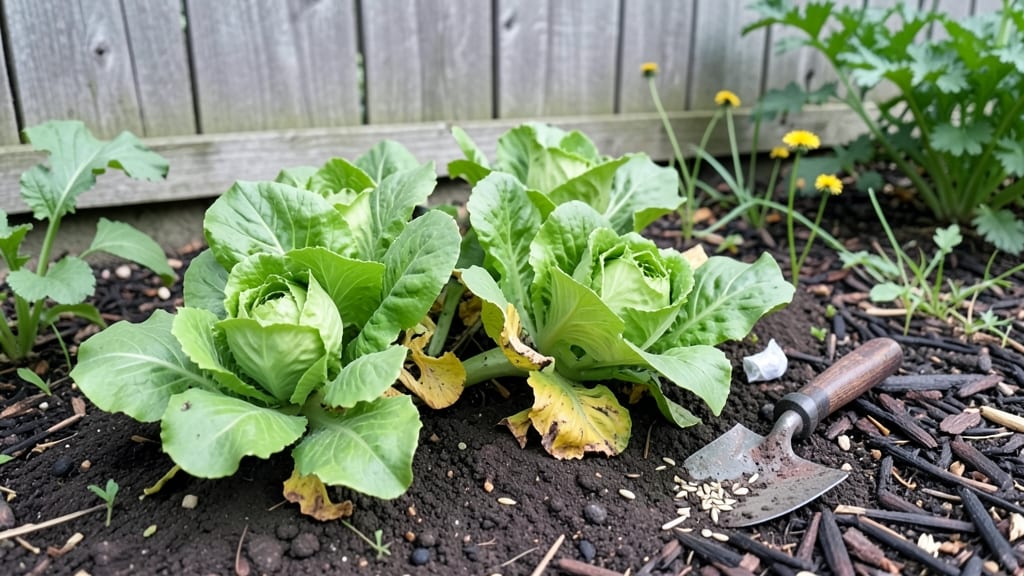
Succession planting lettuce means never running out of fresh greens again—even when your first crop bolts or gets rained on. 🌱 I learned the hard way that planting all my lettuce at once leaves me with either a glut or a gap, but staggering sowings keeps the harvest flowing from early spring to late fall.
The key is timing: start your first batch 4-6 weeks before your last frost, then repeat every 2-3 weeks until midsummer.
You’ll need a sunny spot with at least 4-6 hours of light daily, well-draining soil rich in compost, and a few simple tools—a trowel, some row markers, and maybe a small hoop tunnel if your spring is chilly.
Choose heat-tolerant varieties like ‘Black Seeded Simpson’ or ‘Romaine’ for summer plantings, and quick-maturing types like ‘Salad Bowl’ for early harvests. The secret weapon? A mix of direct-sown seeds and transplants to bridge gaps between batches.
By following this schedule, you’ll enjoy crisp, tender leaves for months without the frustration of patchy harvests. The first batch might take 30-40 days to mature, but each new planting keeps the cycle going—no more sad, bolted lettuce staring back at you from the garden.
Even in hotter months, shade cloth or afternoon watering can extend the season for these cool-loving greens.
Fair warning: succession planting requires a little planning, but the payoff is worth it—imagine fresh salads straight from your garden for half the year. Start small if you’re new to it; even two staggered plantings will give you a smoother harvest than one big batch.
Once you see how it works, you’ll never go back to planting all at once again.
📚 In This Guide
- What you need
- Instructions
- Tips and common mistakes
- Wrapping up and next steps
What you need
- ● Lettuce seeds: Choose fast-maturing varieties (30–50 days) like Buttercrunch, Romaine, or Leaf Lettuce. Aim for 2–3 seed packets (or ~500 seeds total) to ensure continuous planting.
- ● Seed-starting mix: 1–2 bags (12–18 qt each) of sterile, lightweight potting soil (avoid garden soil—it’s too dense!).
- ● Garden beds or containers: For in-ground planting: A 4’ x 8’ raised bed or tilled soil patch (6–12 inches deep).
- ● For container gardening: 5–10 large pots (12+ inches deep) with drainage holes.
- ● Compost or organic fertilizer: 1–2 lbs of balanced (10-10-10) or veggie-specific fertilizer (e.g., Fish emulsion).
- ● Watering can or hose with gentle nozzle: 1–2 gallons capacity for precise watering.
- ● Garden twine or row markers: 50+ feet to label planting dates and varieties.
- ● Gloves & knee pads: 1 pair each—your back (and hands) will thank you!
- ● Shade cloth (30–50% coverage): 1 roll to protect seedlings from scorching midday sun.
- ● Cold frame or mini greenhouse: Extends the growing season in chilly climates.
- ● Pest deterrents: Row covers, diatomaceous earth, or neem oil to fend off aphids and slugs.
- ● Planting calendar: A dry-erase board or app to track succession dates (pro tip: use a spreadsheet!).
- ● Harvest scissors or knife: 1 pair for clean cuts—no ripping those leaves!
Instructions for succession planting lettuce
Here's the foolproof method I use to keep a steady supply of fresh lettuce all season long.
🌱 Step 1: Prepare Your Planting Site
Lettuce thrives in cool weather and needs rich, well-draining soil. Work the first 2 inches of soil with a garden fork or trowel to loosen it, then mix in 2 cups of compost per 10 square feet of bed. This ensures your lettuce gets the nutrients it needs to grow quickly.
Choose a spot that gets 4-6 hours of sunlight daily—too much sun will cause bolting (when lettuce goes to seed prematurely). If your area gets intense afternoon sun, opt for heat-tolerant varieties like 'Black Seeded Simpson' or 'Jericho'. Test the soil moisture by squeezing a handful—it should hold together but not be soggy.
🌱 Step 2: Plant Lettuce in Successive Waves
Start your first planting 4-6 weeks before your last frost date for early spring harvests. Succession planting means staggering your plantings every 2-3 weeks to ensure a continuous supply. For each planting, sow seeds ¼ inch deep and ½ inch apart in rows spaced 12 inches apart.
I like to use a small hand seeder or just pinch off a few seeds between my fingers and drop them gently into the soil. Cover them lightly with soil and mist the area with water to keep the seeds moist but not waterlogged. Thin seedlings to 6 inches apart once they develop their first true leaves—this prevents overcrowding and gives each plant room to grow.
💧 Step 3: Maintain Consistent Moisture and Weed Control
Keep the soil evenly moist by watering 1-2 inches per week, either through rainfall or irrigation. Lettuce has shallow roots, so it’s crucial to water gently at the base of the plants to avoid disturbing them. Use a drip irrigation system or a watering can with a fine rose to deliver water directly to the soil without splashing leaves.
Weeds compete for nutrients and moisture, so pull them by hand as soon as they appear. Mulch the bed with 1 inch of straw or shredded leaves to suppress weeds and retain soil moisture. Check the soil daily during hot spells—if the top inch feels dry, it’s time to water again.
✂️ Step 4: Harvest Lettuce at the Right Time
Baby lettuce is ready to harvest in 30-40 days when leaves are about 3-4 inches tall. For a continuous supply, harvest the outer leaves first, cutting them just above the soil line with a sharp pair of scissors or clean pruners. This encourages the inner leaves to keep growing and gives you fresh lettuce in 1-2 weeks.
If you let the lettuce grow larger, harvest the entire head when the leaves are fully mature but still tender. Avoid harvesting during the hottest part of the day—morning or late afternoon harvests keep the lettuce crisp and prevent wilting. Store harvested lettuce in the fridge in a perforated plastic bag to keep it fresh for up to 5-7 days.
⏰ Step 5: Plan Your Final Planting for Late Summer
For a fall harvest, your last planting should go in 8-10 weeks before your first expected frost. Choose varieties like 'Winter Density' or 'Arctic King', which are cold-hardy and can withstand light frosts. Succession plant these every 2 weeks until 6 weeks before frost to ensure a steady harvest.
As temperatures drop, lettuce will grow more slowly, so keep an eye on soil moisture—it’s easier to overlook watering needs in cooler weather. If frost is forecast, cover young plants with a lightweight row cover or old bedsheets to protect them. With this method, you’ll enjoy fresh, homegrown lettuce from early spring through late fall.
Tips & tricks for perfect succession planting lettuce
Here's what I've learned after years of perfecting this method—these tricks will help you avoid common pitfalls and maximize your harvest.
Soil Prep Secret: In Step 1, don't just loosen the soil—break up any large clumps and remove rocks before adding compost. I've found that working in an extra ½ cup of worm castings per 10 square feet (optional) gives seedlings a nutrient boost right from the start. The goal is to create a fluffy, aerated bed that holds moisture without becoming compacted. This prevents root stress when seedlings first emerge.
Planting Precision: When sowing seeds in Step 2, aim for a slightly shallower depth than the ¼ inch recommendation if your soil is heavy clay—just ⅛ inch deep works better for faster germination. I also recommend using a toothpick to poke tiny holes for each seed rather than scattering them—this gives you better control over spacing. The ½ inch apart spacing might seem tight, but it's perfect for thinning later.
Watering Wisdom: In Step 3, the 1-2 inches per week guideline is perfect, but timing matters just as much. Water in the morning so leaves have time to dry before evening, which prevents fungal diseases. I've had the most success using a gentle rain wand attachment on my hose—it mimics natural rainfall and keeps soil evenly moist without disturbing seedlings. During hot spells, check soil moisture twice daily rather than relying on the weekly guideline.
Harvest Hack: For Step 4, when harvesting outer leaves, use clean, sharp scissors and cut at a 45-degree angle just above the soil line. This creates a larger surface area for new growth and prevents the plant from looking ragged. I've also found that harvesting in the morning gives you the crispest leaves—wait until dew has evaporated but before the sun gets too intense. This timing keeps your lettuce fresh for up to 10 days in the fridge.
Pro Tips for Succession Planting Lettuce
- Here's what I've learned after years of perfecting this method—these tricks will help you avoid common pitfalls and maximize your harvest.
- Soil Prep Secret: In Step 1, don't just loosen the soil—break up any large clumps and remove rocks before adding compost.
- Planting Precision: When sowing seeds in Step 2, aim for a slightly shallower depth than the ¼ inch recommendation if your soil is heavy clay—just ⅛ inch deep works better for faster germination.
Frequently asked questions
Got questions about keeping your lettuce patch thriving all season?
Here are answers to the most common ones—so you can enjoy fresh greens without the guesswork!
What exactly is succession planting, and why should I do it for lettuce?
Succession planting means sowing new lettuce seeds every 2–3 weeks (or when older plants bolt) to ensure a continuous harvest. For lettuce, this prevents gaps in your harvest and maximizes garden space—especially in cool seasons when growth is slower. It’s a game-changer for avoiding wasted effort and hungry pests!
When is the best time to start my first lettuce planting?
Start your first batch 4–6 weeks before your last frost date in spring or 6–8 weeks before your first frost in fall. Lettuce thrives in cool weather (40–75°F), so avoid planting when temps creep above 80°F—it’ll bolt faster than a rabbit in a vegetable patch!
Can I use this method for other leafy greens like spinach or kale?
Succession planting works for spinach, kale, arugula, and Swiss chard too. Just adjust spacing and timing—kale, for example, handles heat better than lettuce, so you might stagger plantings later in the season. Pro tip: Interplant heat-tolerant greens (like malabar spinach) between lettuce batches for year-round greens!
How do I keep aphids and pests from ruining my lettuce before I can harvest?
Aphids love tender lettuce! Prevent them with:
- Row covers (lightweight fabric to block pests).
- Neem oil (spray on young plants weekly).
- Beneficial insects like ladybugs or lacewings (release them at dusk).
- Succession timing: Plant new rows every 2 weeks so pests don’t overwhelm your entire crop.
What if my lettuce bolts or tastes bitter before I can harvest?
Bolting (premature flowering) happens when lettuce gets too hot or stressed. To fix it:
- Provide afternoon shade with row covers or a trellis.
- Keep soil consistently moist (not soggy!).
- Choose bolt-resistant varieties like ‘Black Seeded Simpson’ or ‘Winter Density.’
- Harvest outer leaves first to prolong the plant’s life.
Wrapping up and next steps
Succession planting lettuce is your ticket to a never-ending harvest of fresh, crisp greens—even in cool seasons! By spacing out your plantings, you’ll beat pests like aphids, maximize garden space, and enjoy homegrown salads year-round. 🌱
Ready to put this hack into action? Start small with one variety, track your progress, and soon you’ll be rewarded with a bountiful, low-maintenance garden. Happy planting—your taste buds (and wallet) will thank you!