Plants
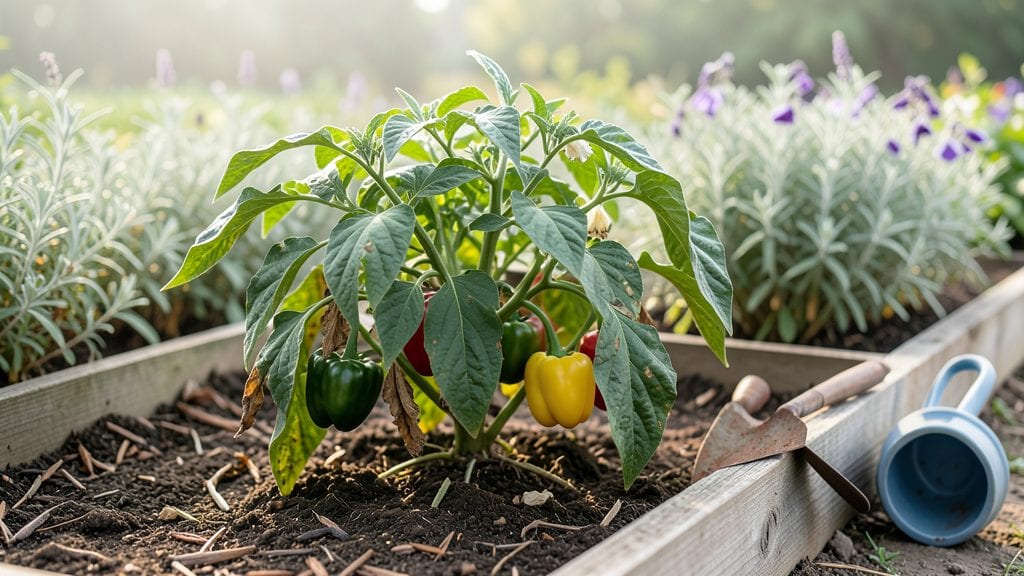
Your wilted pepper plant isn’t dead—it’s just telling you something’s off. 🌱 I’ve nursed back more droopy peppers than I can count, and the first step is figuring out what’s stressing them: too much water, too little, or something sneaking under the leaves.
The good news? Most cases turn around fast with the right fix.
Start by checking the soil—stick your finger in 1-2 inches deep. If it’s soggy, hold off on watering for 3-4 days. If it’s bone-dry, give it a deep drink but only until water runs out the drainage holes.
Then inspect the leaves for pests like aphids or signs of bacterial wilt (yellowing, oozing stems).
Once you’ve ruled out the obvious, trim any mushy stems and move the plant to a spot with bright, indirect light. A humidifier nearby or a tray of pebbles with water can help if the air’s too dry. Within 24 hours, you should see improvement—just don’t overdo the watering again.
Prevention is easier than fixing: water consistently, avoid overhead sprinklers, and rotate plants weekly for even light. Your peppers will bounce back—and next time, they’ll stay perky all season.
Root Causes of Plant Wilting
Understanding why your pepper plant suddenly wilts is half the battle—because once you know the why, you can fix it fast. Wilting in pepper plants (like drooping leaves, yellowing, or limp stems) usually signals a stress response triggered by one (or more) of these core issues.
Let’s break down the science behind each cause so you can diagnose—and fix—your plant’s plight.
Pepper plants thrive on consistency, but too much water (or soggy roots) suffocates them.
Here’s what happens: - Root rot develops when roots sit in waterlogged soil for >24 hours, cutting off oxygen and nutrients. - Fungal infections (like Phytophthora or Pythium) attack weakened roots, clogging xylem vessels and blocking water transport. - Symptoms: Yellowing leaves, mushy stems, or a foul soil smell (like wet socks).
Why it’s sneaky: Even "well-draining" pots can trap moisture if they lack drainage holes or if you water on a rigid schedule (peppers hate soggy feet!).
Pepper plants are tropical—they wilt fast when thirsty because their cells lose turgor pressure (like a deflating balloon).
But heatwaves make it worse: - Transpiration outpaces absorption: Hot, dry air pulls moisture from leaves faster than roots can replace it. - Soil moisture evaporates: Sandy or fast-draining soils dry out quicker, leaving roots high and dry. - Symptoms: Crispy leaf edges, wilting that doesn’t recover after watering, or soil pulling away from pot edges.
Pro tip: 🌡️ Check soil moisture with your finger—if the top 1–2 inches are dry, it’s time to water. In heatwaves, mulch with straw to retain moisture.
Pepper plants in too-small pots or with circumferential root damage (from repotting mishaps) struggle to absorb water:
- Root-bound plants: Roots circle the pot, strangle themselves, and can’t explore fresh soil for moisture.
- Physical damage: Rough handling during transplanting severs fine root hairs, reducing water uptake by 30–50% for weeks.
- Symptoms: Roots growing out of drainage holes, slow recovery after watering, or stunted growth despite "good" care.
Fix it fast: Gently loosen roots in crowded pots or trim damaged ones (use sterilized scissors) before repotting in fresh, airy soil.
Hidden invaders can block nutrient/water flow or drain your plant’s energy: - Aphids/spider mites: Pierce leaves to suck sap, causing wilting and stunted growth.
Their honeydew attracts sooty mold, which clogs stomata (leaf pores). - Fungal wilts (e.g., Verticillium or Fusarium): Invade xylem vessels, turning leaves yellow/brown and stems hollow. - Symptoms: Sticky leaves (aphids), webbing (mites), or sudden collapse despite "normal" watering.
Spot the culprit: Inspect undersides of leaves with a magnifying glass. 🔍 Isolate infected plants to prevent spread.
Pepper plants are sensitive to extremes: - Cold stress: Below 50°F (10°C), metabolic processes slow, and water uptake stalls.
Frost kills cells instantly. - Sudden heat spikes: Above 95°F (35°C), enzymes denature, and photosynthesis grinds to a halt. - Symptoms: Wilting that worsens at dawn (cold stress) or wilting only in direct afternoon sun (heat shock).
Solution: Move plants to partial shade during heatwaves or use row covers for cold snaps. Peppers love 6–8 hours of sun—not scorching midday rays.
Wilting can also signal chemical imbalances:
- Nitrogen deficiency: Leaves turn pale yellow (chlorosis), and the plant can’t produce enough chlorophyll to sustain turgor.
- Potassium/magnesium shortages: Weak stems and poor osmotic regulation lead to floppy leaves.
- Salt buildup: Over-fertilizing or tap water with high minerals (like sodium) creates a hypertonic soil solution, forcing roots to work harder to absorb water.
- Symptoms: Yellowing between leaf veins (nitrogen), brown leaf edges (potassium), or white crust on soil (salt).
Test it: Flush soil with water to leach excess salts, or use a soil test kit to check pH/nutrient levels (ideal: 6.0–6.8 pH).
Even "perfect" care can backfire if the microclimate is off:
- Low humidity: Dry air increases transpiration rates, drying leaves faster than roots can replenish water.
- Windburn: Strong breezes dehydrate leaves, causing wilting and scorch marks.
- Symptoms: Wilting that’s worse in dry, windy conditions but improves in humid mornings.
Boost humidity: Place a tray of water near the plant or use a pebble humidifier tray. Avoid placing peppers near fans or AC vents.
If your pepper plant wilts overnight with no clear trigger, suspect:
- Bacterial wilt (Ralstonia solanacearum): Causes sudden collapse; stems may ooze when cut.
- Viral infections: Often spread by sap-sucking pests, leading to mosaic patterns + wilting.
- Herbicide drift: Even trace amounts of glyphosate can kill pepper plants in days.
Act fast: Remove and dispose of the plant (don’t compost!) to prevent spread. Test soil for contaminants if wilting persists.
Revive your plants quick fixes
Seeing your once-vibrant pepper plants droop and wilt can feel like a gardener’s worst nightmare—but don’t panic! Most causes of wilting are reversible with the right care. Below, we’ve mapped out practical, step-by-step solutions tailored to the most common culprits behind your sad-looking peppers.
Follow these fixes, and you’ll have your plants perking up in no time.
If your soil feels soggy or waterlogged, your pepper roots are drowning in excess moisture. Overwatering suffocates roots, cutting off oxygen and leading to wilting, yellowing, or even rot.
🔥 Step 1: Check the Soil Moisture
- Stick your finger 1-2 inches into the soil. If it’s damp or sticky, hold off on watering.
- Pro Tip: Use a moisture meter for accuracy—pepper plants prefer soil that’s 60-70% moisture but never soggy.
🍳 Step 2: Improve Drainage Fast
- For potted plants: Move to a well-draining container with holes at the bottom. Add a layer of gravel or perlite to the bottom before repotting.
- For in-ground plants: Amend the soil with compost or sand to loosen it up.
Avoid heavy clay soils.
👨🍳 Step 3: Adjust Your Watering Routine
- Water deeply but less often—aim for 1-1.5 inches per week, including rainfall.
- Water at the base (not overhead) to prevent fungal diseases that worsen wilting.
- 💡 Pro Tip: If your plant is severely waterlogged, let the top 3-4 inches of soil dry out before watering again.
⏰ Prevention for Next Time
- Use self-watering pots or drip irrigation to maintain consistent moisture.
- Choose fast-draining potting mixes (like those labeled for vegetables or succulents).
Wilting can also mean your peppers are thirsty or struggling in scorching heat. Pepper plants wilt quickly when dehydrated, especially in hot climates.
🔥 Step 1: Hydrate Immediately
- Give your plant a deep watering—soak the soil until water drains from the bottom of the pot or runs out of the ground.
- For extreme wilting: Submerge the pot in lukewarm water for 10-15 minutes to revive roots.
🍳 Step 2: Protect from Heat
- Move potted plants to a shadier spot (e.g., under a patio cover or tree) for a few days.
- Mulch the soil with straw or shredded leaves to retain moisture and cool roots.
- 💡 Pro Tip: Use lightweight shade cloth (30-50%) if your peppers are in direct sun.
👨🍳 Step 3: Monitor Recovery
- Wilting from dehydration usually improves within 4-6 hours of proper watering.
- If leaves stay crispy or brown, trim the damaged foliage to help the plant focus on recovery.
⏰ Prevention for Next Time
- Water in the early morning to reduce evaporation.
- Group plants together to create a microclimate with shared humidity.
- Avoid overhead sprinklers—they dry leaves quickly and invite disease.
Sudden temperature drops (below 50°F/10°C) or frost can cause peppers to wilt overnight. Cold stress weakens cell structure, making leaves limp and brittle.
🔥 Step 1: Shelter from the Cold
- Move potted plants indoors or to a garage/shed if frost is forecasted.
- Cover in-ground plants with frost blankets or old sheets at night.
🍳 Step 2: Warm Up the Roots
- If roots are chilled, soak the soil in warm water (not hot!) to encourage circulation.
- 💡 Pro Tip: Place a heat mat under potted plants if you’re growing in a cool space.
👨🍳 Step 3: Gradual Acclimation
- If moving plants back outside, harden them off over 3-5 days by exposing them to increasing sunlight.
- Avoid placing them in hot sun immediately—wait until temps rise naturally.
⏰ Prevention for Next Time
- Choose cold-hardy pepper varieties (like ‘Arpad F1’ or ‘Early Cal Wonder’) if you live in a short season.
- Use row covers in early spring/fall to extend the growing season.
- Monitor weather forecasts and act early—wilting from cold is often irreversible if ignored.
Wilting can signal an unseen battle—pests like aphids, spider mites, or fungal infections (like verticillium wilt) sap your plant’s strength. Look for sticky leaves, webs, or dark spots.
🔥 Step 1: Identify the Culprit
- Inspect leaves and stems for holes, chew marks, or webbing.
- Check soil for grubs or slugs (common in wilting seedlings).
🍳 Step 2: Treat Infestations
- For soft-bodied pests (aphids, mealybugs):
- Spray with neem oil or insecticidal soap (mix 1 tbsp soap + 1 tsp neem oil per quart of water).
- For fungal diseases (e.g., verticillium wilt):
- Remove infected leaves/stems with sterilized pruners.
- Apply copper fungicide as a preventive spray.
- 💡 Pro Tip: Beneficial nematodes (for soil-dwelling pests) or ladybugs (for aphids) can be a natural solution.
👨🍳 Step 3: Boost Plant Immunity
- Fertilize lightly with a balanced, organic fertilizer (like fish emulsion) to support recovery.
- Avoid overcrowding—wilting spreads faster in dense plantings.
⏰ Prevention for Next Time
- Rotate crops yearly to prevent soil-borne diseases.
- Sterilize tools with rubbing alcohol before pruning.
- Inspect new plants for pests before bringing them home.
If your peppers wilted after repotting or being moved, their roots may be struggling to adapt. Shock happens when roots are disturbed without proper recovery time.
🔥 Step 1: Give Roots Time to Settle
- Avoid watering for 2-3 days post-transplant to prevent root rot.
- Keep the plant in shade for a week to reduce stress.
🍳 Step 2: Encourage Root Growth
- Add a rooting hormone (like mycorrhizal fungi) to the soil to speed up recovery.
- Mist leaves lightly daily to maintain humidity while roots establish.
👨🍳 Step 3: Stake for Support
- Use a small stake or tomato cage to prop up weak stems while roots recover.
- 💡 Pro Tip: If roots were pruned during transplanting, trim any mushy or black roots before replanting.
⏰ Prevention for Next Time
- Repot only when necessary—peppers hate being disturbed.
- Water thoroughly before transplanting to reduce shock.
- Use larger pots (5+ gallons for mature plants) to minimize root stress.
Most wilting issues are temporary—your pepper plants are tougher than they look! By addressing the root cause (literally!) and following these fixes, you’ll see them bouncing back within 24-48 hours. Stay consistent with care, and your peppers will reward you with a bountiful harvest. 🌿🔥
Frequently asked questions
Why do my pepper leaves wilt even after watering?
Wilting after watering usually means root rot or fungal infection from overwatering. Check the soil—if it’s soggy or smells foul, your roots are suffocating. Let the top 3-4 inches dry out before watering again and improve drainage with perlite or sand.
Can I save a pepper plant that’s completely limp?
Yes, but act fast! If stems are still firm, give it a deep watering (soak until water drains out) and move to shade for 24 hours. Trim any mushy stems and avoid watering until soil is dry. If stems are hollow or ooze when cut, it’s likely bacterial wilt—remove the plant immediately.
What’s the fastest way to tell if my pepper plant is overwatered vs. underwatered?
Stick your finger 1-2 inches deep into the soil. If it’s damp or sticky, you’re overwatering. If it’s bone-dry, you’re underwatering. For overwatered plants, let soil dry completely before watering again. For thirsty plants, water until it drains from the bottom.
Will pruning help a wilted pepper plant recover?
Prune only the most damaged leaves (yellow, crispy, or mushy) to redirect energy to healthy growth. Avoid cutting more than 20% of foliage at once. Use sterilized scissors to prevent infections, and stop pruning if you see signs of disease like oozing stems.
How do I prevent wilting in peppers during extreme heat?
Mulch with straw to retain moisture, water early in the morning, and use shade cloth (30-50%) during peak sun. Group plants together to create humidity, and avoid overhead watering. For potted plants, move them to a cooler spot and soak pots in water for 10 minutes daily to cool roots.