
Companion Plants
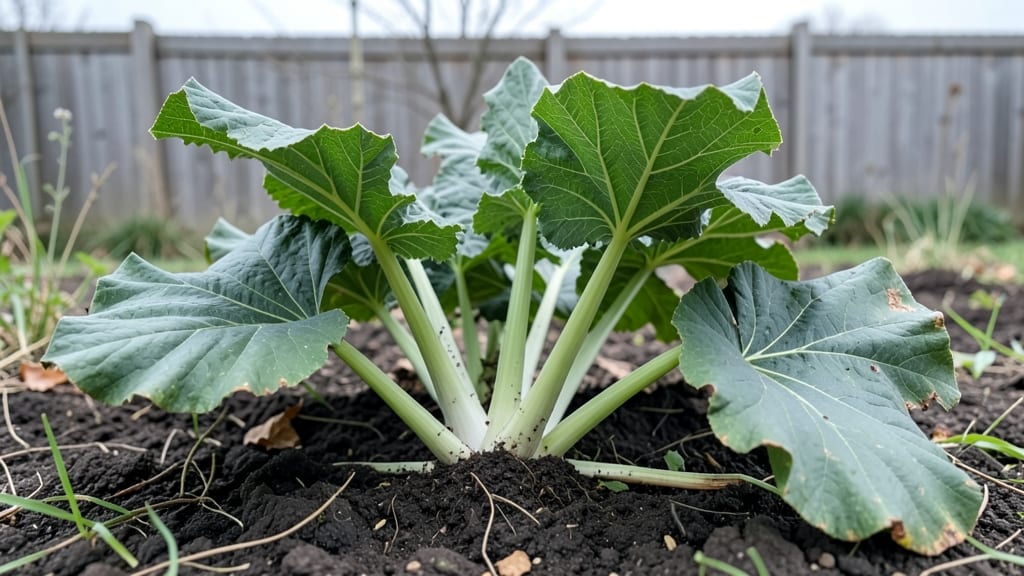
Growing white rhubarb plants transforms your garden into a year-round harvest powerhouse. 🌱 I’ve grown this cold-hardy perennial for five winters now, and it thrives when you treat it right—no fancy tricks, just the right soil, sunlight, and a little patience.
The first year is all about establishing roots, but by year two, you’ll have stalks thick enough to harvest from early spring through late fall.
The secret lies in well-draining soil rich in organic matter—think compost mixed into the top 12 inches of your bed. White rhubarb needs full sun (6+ hours daily) but tolerates partial shade in hot climates.
Water consistently to keep the soil moist but never soggy, and mulch heavily in winter to protect those cold-hardy crowns. Most gardeners overlook winter care, but that’s when rhubarb stores energy for next year’s bounty.
By mid-spring, you’ll see those signature red-tinged stalks emerging, and harvesting is simple: just twist or cut the thickest stems at ground level. The flavor? Tart, crisp, and sweeter than store-bought.
With proper care, one plant can produce enough for pies, compotes, or fresh eating all season—no need to buy until next winter rolls around.
Propagation’s a breeze too—just divide mature clumps in early spring or fall. And don’t worry about pests; deer usually leave it alone, and birds rarely bother. If you’ve ever struggled with short-lived veggies, white rhubarb is the perennial game-changer your garden needs.
📚 In This Guide
- What you need
- Instructions
- Tips and common mistakes
- Wrapping up and next steps
What you need
- ● White rhubarb crowns (plants): 2–3 healthy, disease-free crowns (ensure they’re labeled as Rheum rhabarbarum or white rhubarb).
- ● Well-draining soil: A mix of 60% topsoil, 30% compost, and 10% coarse sand or perlite (for aeration).
- ● Sunlight access: A full-sun to partial-shade spot (6+ hours of sunlight daily).
- ● Watering can or hose: With a gentle spray nozzle for even moisture.
- ● Organic mulch: Straw or wood chips (2–3 inches thick) to retain moisture and suppress weeds.
- ● Balanced fertilizer: 10-10-10 or 5-10-10 (apply sparingly, ~1 tbsp per plant, in early spring).
- ● Garden gloves & trowel: For planting and soil prep.
- ● Soil pH tester: Ideal pH for rhubarb is 6.0–6.8 (adjust with lime or sulfur if needed).
- ● Drip irrigation system: For consistent moisture (especially in hot climates).
- ● Row covers or frost cloth: To protect young plants from late frosts or harsh winters.
- ● Compost tea or seaweed extract: A natural boost for root and leaf health.
- ● Stakes or cages: If your rhubarb grows tall (though white rhubarb is typically shorter than red).
Step-by-Step instructions for planting white rhubarb
Here's how to establish these cold-hardy perennials for years of harvests.
🌱 Step 1: Select and Prepare the Planting Site
White rhubarb thrives in full sun to partial shade, with at least 6 hours of sunlight daily. Choose a spot with well-draining soil—rhubarb hates soggy roots. I always test the soil first by digging a 6-inch hole and checking for drainage. If water pools after 30 minutes, amend with 2 inches of compost mixed into the top 12 inches of soil.
Rhubarb grows best in slightly acidic to neutral soil (pH 6.0-7.0). If your soil is heavy clay, mix in 1 part sand to 3 parts soil to improve drainage. Avoid fresh manure—it can burn the crown. Instead, use well-aged compost or a balanced organic fertilizer at planting time.
🪴 Step 2: Plant Crowns at the Right Depth and Spacing
White rhubarb crowns should be planted 2-3 inches deep, with the top of the crown just below the soil surface. Dig a hole 18-24 inches apart for each plant—this gives roots room to spread without crowding. I like to plant in early spring or fall when soil temperatures are 50-60°F.
Place the crown in the hole so the buds face outward, not upward. This encourages multiple stalks to grow from the center. Cover with soil and water deeply until moisture reaches 6 inches down. Avoid disturbing the roots after planting—rhubarb establishes slowly and dislikes being moved.
☀️ Step 3: Provide Consistent Water and Mulch
Water newly planted rhubarb 1-2 times per week until established, keeping the soil evenly moist but not waterlogged. You'll know it's right when the top 2 inches of soil feel damp but not soggy. After the first growing season, rhubarb becomes drought-tolerant, but consistent moisture produces larger stalks.
Apply 2-3 inches of organic mulch around the base, keeping it 6 inches away from the crown. Straw or shredded leaves work best—they retain moisture and suppress weeds. Replenish mulch annually in early spring to protect roots during winter.
✂️ Step 4: Wait Before Harvesting and Maintain Through Seasons
Never harvest rhubarb the first year—let the plant focus on root growth. In the second year, wait until late spring when stalks reach 10-12 inches tall before cutting. I harvest by grasping the stalk near the base and pulling gently—it should snap cleanly. Leave the leaf attached to protect the crown.
After harvest, fertilize lightly with 10-10-10 fertilizer in early spring and again after midsummer. Divide mature plants every 4-5 years in early spring to prevent overcrowding. Cut back dead leaves in late fall, but leave the crowns undisturbed through winter—they'll bounce back in spring.
Tips & tricks for perfect white rhubarb planting
A few simple tricks will help you establish healthy white rhubarb plants that thrive for years. Here's what I've learned from years of growing these cold-hardy perennials.
Soil Test Secret: The 30-minute drainage test in Step 1 is crucial—if water pools after this time, your soil won't drain properly. I've found that adding the 2 inches of compost to the top 12 inches creates the perfect loose, airy layer that rhubarb roots love. For heavy clay soils, mixing in that 1 part sand to 3 parts soil ratio makes all the difference in preventing root rot.
Planting Depth Tip: When planting crowns 2-3 inches deep in Step 2, aim for the top of the crown to be just below soil level. I've ruined several plants by burying them too deep—this can cause crown rot. A good trick is to plant when soil temperatures hit that 50-60°F range in spring or fall, as cooler temps help the plant establish without stress.
Watering Wisdom: Those 1-2 weekly waterings in Step 3 should keep the top 2 inches of soil damp but never soggy. I check this by sticking my finger in—the soil should feel like a wrung-out sponge. Overwatering is the #1 reason rhubarb plants fail, so resist the urge to water daily, especially after the first growing season when they become more drought-tolerant.
Mulch Strategy: The 2-3 inches of organic mulch around your plants works wonders for moisture retention, but keep it 6 inches away from the crown to prevent rot. I've had great success with straw mulch because it breaks down slowly and adds organic matter to the soil over time. Replenishing it annually in early spring gives your rhubarb a head start for the growing season.
Pro Tips for White Rhubarb Plants
- A few simple tricks will help you establish healthy white rhubarb plants that thrive for years.
- Soil Test Secret: The 30-minute drainage test in Step 1 is crucial—if water pools after this time, your soil won't drain properly.
- Planting Depth Tip: When planting crowns 2-3 inches deep in Step 2, aim for the top of the crown to be just below soil level.
Frequently asked questions
Got questions about growing white rhubarb? You’re in the right place!
Here are some of the most common queries—plus quick, actionable answers to help you cultivate this cold-hardy perennial like a pro.
How cold can white rhubarb tolerate?
White rhubarb is seriously cold-hardy, surviving temperatures as low as -30°F (-34°C). It thrives in USDA zones 3-8, making it perfect for northern climates. Just mulch heavily in winter to protect the crown from extreme fluctuations. Pro tip: If snow covers the plant, leave it—it acts like a natural insulator!
When is the best time to harvest white rhubarb?
Harvest white rhubarb after the last frost when stalks are at least 12 inches tall (usually late spring). Cut stalks at the base, leaving the leaf crown intact. Avoid harvesting until the plant is 2-3 years old to ensure robust growth. Warning: Never eat the leaves—they contain oxalic acid!
Can I grow white rhubarb in containers?
Yes! White rhubarb adapts well to containers if the pot is at least 12 inches deep with drainage holes. Use a well-draining soil mix and place the container in full sun. Just be prepared to harvest less than in-ground plants and fertilize regularly. Bonus: Containers make it easy to move plants if frost threatens.
What pests or diseases should I watch for?
White rhubarb is generally pest-resistant, but keep an eye out for Japanese beetles, aphids, or crown rot in soggy soil. To prevent issues:
- Rotate crops every 3-4 years.
- Remove damaged leaves promptly.
- Apply neem oil if pests appear.
What can I plant near white rhubarb for companion benefits?
White rhubarb pairs well with comfrey, thyme, or lettuce—companions that deter pests and improve soil. Avoid planting near potatoes or beans, as they compete for nutrients. Design tip: Use it as a living mulch in perennial beds to suppress weeds naturally.
Why isn’t my white rhubarb producing stalks?
Lack of stalks often means the plant is too young, underfed, or overshadowed. Ensure it gets:
- Full sun (6+ hours/day).
- A balanced fertilizer (like 10-10-10) in early spring.
- Well-draining soil (amend with compost if needed).
Wrapping up and next steps
Growing white rhubarb plants is a rewarding journey for gardeners seeking cold-hardy, low-maintenance perennials with year-round harvest potential! 🌱 Whether you're a beginner or a seasoned gardener, their resilience and delicious tartness make them a fantastic addition to your garden.
With the right preparation and care, you’ll enjoy fresh, homegrown rhubarb for years to come.
Ready to take the next step? Start by selecting the perfect spot, preparing your soil, and planting your crowns—soon, you’ll be harvesting crisp, vibrant stalks to use in pies, jams, or even savory dishes. Happy gardening! 🌿