
Transplanting
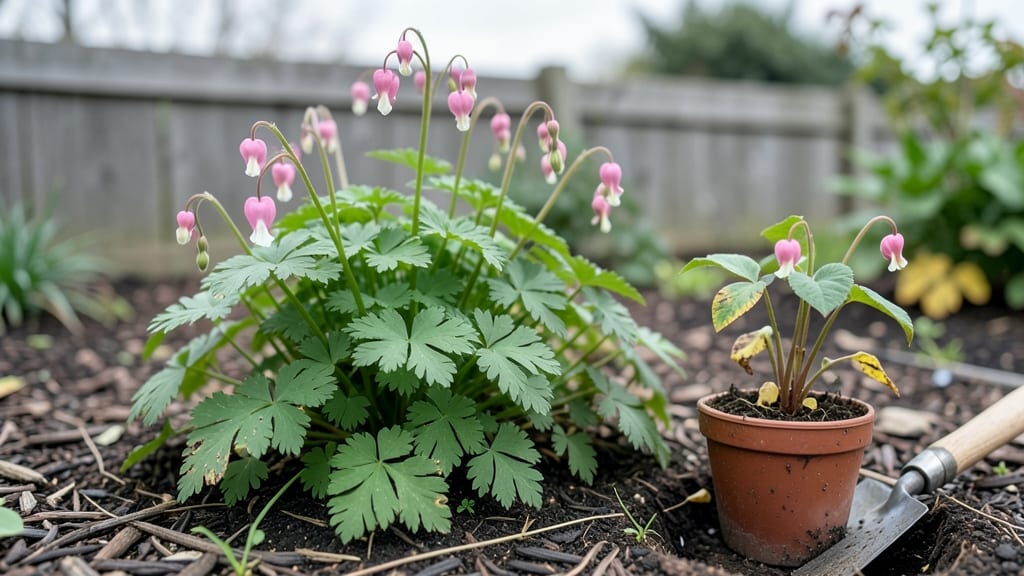
Transplanting your bleeding heart plant 💔 at the right time means the difference between a thriving garden star and a sad, wilting mess.
Bleeding heart plants (Dicentra spectabilis) are delicate—transplanting them too early or too late can shock their roots, stunt growth, or even kill them. The best window? Early to mid-spring, when the soil warms to 50°F (10°C) and the risk of frost has passed.
Why does timing matter so much? These plants hate heat and drought, and moving them during their peak flowering season (late spring) stresses them out.
Below, I’ll walk you through the ideal transplant schedule, how to tell if your plant is ready, and what to do to keep it happy after the move.
Get it right, and you’ll enjoy years of those iconic heart-shaped blooms. Get it wrong, and you might be digging up a sad, browned-out plant next year.


Best time to transplant bleeding heart plants for maximum root success
Bleeding heart plants (Dicentra spectabilis) thrive when transplanted during their dormant or early growth phases. The ideal transplant windows are early spring (just after last frost) or early fall (4-6 weeks before first frost).
These timings align with the plant’s natural cycles, minimizing stress and maximizing root establishment before extreme weather arrives.
Transplanting at the wrong time—like after flowering or during summer heat—can shock the plant, leading to leaf scorch, root rot, or even death. Since bleeding hearts bloom on old wood, disturbing them after flowering disrupts their energy reserves for next year’s blooms.
Understanding your USDA hardiness zone is key to picking the perfect window.
Here’s a quick comparison of the two best transplant times to help you decide:
| Transplant Time | Best For | Soil Temp | Root Activity | Post-Transplant Care |
|---|---|---|---|---|
| Early Spring | Zones 3-7, after last frost | 50°F–60°F (10°C–15°C) | New root growth begins | Water deeply, mulch heavily |
| Early Fall | Zones 4-8, 4-6 weeks before frost | 60°F–70°F (15°C–21°C) | Established roots recover quickly | Reduce watering, avoid fertilizing |
| Avoid | Summer heat or after flowering | Above 80°F (27°C) | Root shock, minimal regrowth | High risk of failure |
For spring transplants, aim for March or April in most zones, once soil temperatures rise above 50°F (10°C). This gives roots time to establish before summer heat arrives.
In cooler zones (3-5), wait until late April to avoid frost damage. In warmer zones (8-10), early fall is safer, as summer drought can stress the plant.
If you’re transplanting in fall, choose September or early October to allow roots to settle before winter dormancy. Avoid late fall transplants, as new roots won’t have time to harden off before freezing temperatures. Mulch heavily with 3–4 inches of organic mulch to insulate roots and retain moisture.
One common mistake is transplanting after flowering. Since bleeding hearts bloom on old wood, disturbing them post-bloom can weaken the plant for next season. If you must move a flowering plant, do so in early spring before buds form.
Always prioritize root health over aesthetics—a stressed plant may skip blooming entirely the following year.
Before transplanting, check for root-bound conditions in container-grown plants. Gently loosen roots if they’re circling the pot, as this encourages outward growth in the new location. Water the plant 24 hours before transplanting to reduce shock, and trim any damaged foliage to redirect energy to root recovery.
After transplanting, keep the soil consistently moist (but not soggy) for the first 4–6 weeks. Use a shade cloth if moving to a sunnier spot, as bleeding hearts prefer partial shade. Avoid fertilizing immediately—wait until new growth appears in late spring to encourage recovery.
If you’re in a hot, dry climate, consider transplanting in late fall instead of spring to avoid summer stress. In humid regions, early spring is ideal to prevent fungal diseases.
Always monitor your plant’s response: wilting leaves or yellowing foliage may signal transplant shock, requiring extra care and patience.
With the right timing, your bleeding heart will reward you with vibrant blooms for years. Whether you choose spring or fall, focus on soil prep, root health, and seasonal conditions to set your plant up for success. Happy transplanting! 🌱
Step-by-step guide to transplanting bleeding heart plants without shocking the roots
Transplanting bleeding heart plants (Dicentra spectabilis) requires gentle care to avoid root shock and ensure vigorous regrowth. These delicate perennials thrive when moved during their dormant or early growth phases, but timing and technique make all the difference.
Follow this guide to give your plants the best chance of flourishing in their new home.
Before you begin, prepare your new planting site with rich, moisture-retentive soil and partial shade. Bleeding hearts hate hot sun and dry conditions, so choose a location that mimics their natural woodland habitat. Now, let’s dive into the step-by-step process to keep your plants happy and healthy.
When to Transplant Bleeding Heart Plants
- Early Fall (Best Time): Transplant 4-6 weeks before first frost (typically September-October in most climates). This allows roots to establish before winter dormancy.
- Early Spring (Second Choice): Move plants after last frost when soil reaches 50°F (10°C) (usually March-April). Avoid transplanting during active flowering—wait until blooms fade.
- Avoid Summer Transplanting: High temperatures and drought stress bleeding hearts, increasing transplant shock risk. If you must move them, choose cool, cloudy days and provide extra shade.
- Signs of Readiness: Look for root-bound containers, crowded foliage, or yellowing leaves—these indicate it’s time to relocate. Never transplant if roots are actively flowering or stressed.
Once you’ve chosen the right time, it’s time to dig and relocate. Start by watering your bleeding heart thoroughly the day before transplanting to hydrate the roots.
This reduces stress during the move and helps the soil hold together when you lift the plant. Use a sharp spade or garden fork to minimize root damage.
Dig a hole twice as wide as the root ball and just as deep. Gently loosen the roots if they’re root-bound by teasing them apart with your fingers—never force them.
Place the plant in the hole, ensuring the crown sits at soil level (never bury it deeper). Backfill with native soil mixed with compost for nutrients.
After replanting, water deeply to settle the soil and eliminate air pockets. Mulch around the base with 2-3 inches of organic mulch (like shredded bark) to retain moisture and regulate soil temperature.
Keep the area consistently moist for the first 4-6 weeks, watering in the morning to prevent fungal diseases.
Monitor your bleeding heart closely for signs of stress, like wilted leaves or yellowing foliage. If you see these, increase watering slightly and provide extra shade. With proper care, your plant should show new growth within 3-4 weeks, signaling a successful transplant. 🌱