Planting
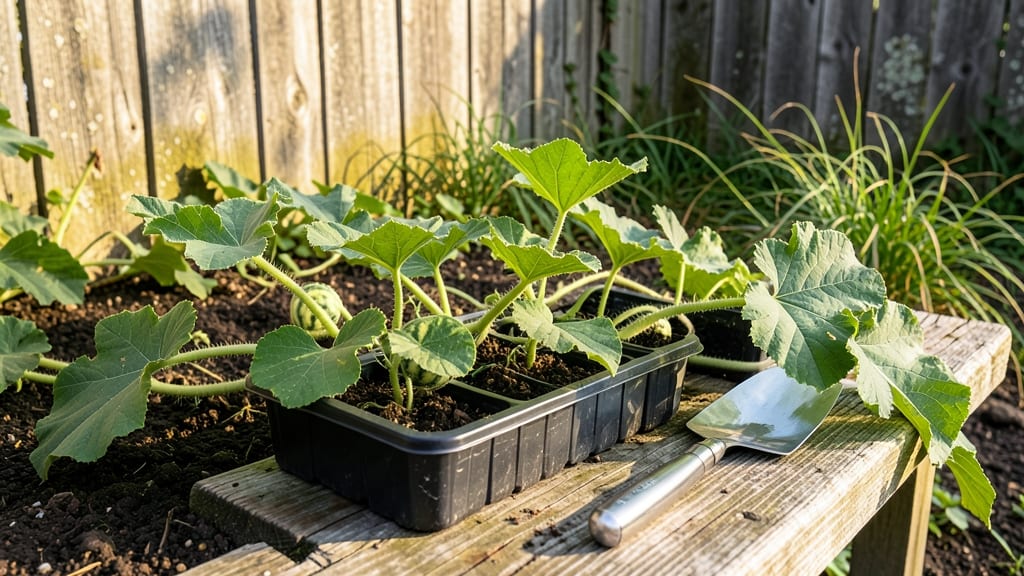
Planting watermelons at the right depth—about 1 inch for seeds, slightly deeper for transplants—sets the stage for a thriving vine and sweeter fruit.
Planting watermelons 🍉 at the wrong depth can stunt growth, weaken roots, and shrink your harvest—so getting this one detail right is crucial for juicy, vine-ready fruit. Too shallow, and seeds dry out; too deep, and they rot before sprouting.
The stakes are higher than you might think, especially in Zone 6a where summer heat demands perfect starts.
Most gardeners assume "deep" means better, but watermelons have delicate roots that need just enough soil to anchor without suffocating. Below, I’ll show you the exact measurements for seeds versus transplants, plus how to adjust for your soil type to avoid common mistakes that kill vines before they even flower.
You’ll learn how to check soil temperature, when to hill up struggling plants, and why sandy soil needs a different approach than clay. Skip the guesswork—these science-backed tips will turn your watermelon patch into a high-yielding powerhouse by July.


Optimal watermelon planting depth by seed type (seeds vs. transplants)
Getting the watermelon planting depth right isn’t just about sticking seeds in the dirt—it’s a science that directly impacts germination rates, root strength, and even your final harvest size.
Watermelon seeds and young transplants have different depth needs, and planting too shallow or too deep can trigger problems like weak stems or rotting roots. Let’s break down the exact planting depth requirements for each method, plus how to time it with soil temperature for best results.
For direct-sown seeds, the general rule is to plant 1 to 2 inches deep, but this varies slightly based on soil type and moisture. Meanwhile, watermelon transplants need a slightly deeper placement—about 1.5 to 2.5 inches—to stabilize their delicate root systems.
The key difference lies in how each method interacts with moisture retention and soil warmth, both critical for watermelons. Let’s compare these methods side by side to ensure you plant with precision.
| Factor | Direct-Sown Seeds | Young Transplants |
|---|---|---|
| Optimal Depth | 1–2 inches | 1.5–2.5 inches |
| Soil Temperature Requirement | At least 70°F | 65–75°F (warmer soil speeds recovery) |
| Germination Risk | Too shallow = poor moisture contact; too deep = slow emergence | Too shallow = weak root anchorage; too deep = rot risk |
| Best Soil Type | Loamy, well-draining | Loamy or sandy-loam (avoid heavy clay) |
| Spacing Adjustment | 12–18 inches apart in rows | 18–24 inches apart (larger root zone needed) |
When planting watermelon seeds, aim for 1 inch deep in loose, well-draining soil. This depth ensures seeds stay moist enough to germinate while allowing young shoots to break through the surface easily.
If your soil is sandy or dry, you can plant slightly deeper (1.5–2 inches) to retain moisture, but avoid compacting the soil around the seed.
Use a soil thermometer to confirm temperatures are above 70°F—watermelon seeds won’t germinate in cooler soils, no matter how deep you plant them.
For transplants, the slightly deeper placement (1.5–2.5 inches) helps stabilize the root ball and prevents the plant from toppling over as it grows. If you’re transplanting from containers, gently loosen the roots before placing them in the hole to encourage outward growth.
After planting, water deeply to settle the soil and eliminate air pockets around the roots. This step is critical for transplant survival, especially in hot, dry climates where shock is a common issue.
One of the biggest mistakes gardeners make is planting seeds too shallow in hopes of faster germination. While this might work in humid climates, shallow planting often leads to dried-out seeds or weak seedlings that struggle to establish roots.
Conversely, planting seeds too deep (over 2.5 inches) can delay germination by weeks, as the seedling may not have enough energy to push through dense soil. Always err on the side of moderation—1–2 inches is your sweet spot for seeds.
If you’re working with transplants, pay close attention to the root flare (where the roots meet the stem). This point should sit just below the soil surface after planting.
Burying it too deep can cause the stem to rot, while leaving it exposed risks stem collapse as the plant matures. Use a small stake to mark the depth before planting, so you can adjust the hole as needed.
For heavy clay soils, consider amending the planting hole with compost or sand to improve drainage and reduce compaction.
Timing your planting depth with soil temperature is just as important as the depth itself. Watermelon seeds need consistent warmth to germinate, and soil below 65°F can stall the process entirely. Use a soil thermometer to monitor temperatures, especially in spring or fall plantings.
If your soil is still cool, consider using black plastic mulch to warm it up faster. This technique not only speeds up germination but also helps retain moisture, reducing the risk of seed desiccation.
Once your watermelons are in the ground at the right depth, focus on consistent moisture and mulching to protect the soil. Watermelon roots are shallow and sensitive to fluctuations in water availability, so aim to keep the soil evenly moist (not soggy) during the first 4–6 weeks of growth.
Mulch with straw or grass clippings to retain moisture and regulate soil temperature, which further supports root development. Avoid overwatering, as waterlogged soil can lead to root rot, especially in transplants.
Remember, the goal of precise planting depth isn’t just to get your watermelons in the ground—it’s to set them up for strong roots, vigorous vines, and ultimately, bigger, sweeter fruit.
By following these guidelines for both seeds and transplants, you’ll give your watermelon plants the best possible start. Soon, you’ll be harvesting those juicy, vine-ripened melons you’ve been dreaming of! 🍉
How planting depth affects watermelon root development and fruit size
Watermelon roots are surprisingly delicate—planting too shallow exposes them to heat stress and drought, while burying them too deep suffocates growth. The ideal planting depth (1-2 inches for seeds, slightly deeper for transplants) balances moisture retention and oxygen flow to the roots.
When depth is off, you’ll see stunted vines or smaller fruit due to poor nutrient absorption.
Deeper planting (up to 3 inches) can actually help watermelons in sandy soils, where roots need extra length to reach moisture. But in clay-heavy soils, shallow planting prevents root rot from waterlogging.
The key is matching depth to your soil type—loamy soil is the most forgiving, while extremes demand adjustments.
🌱 Critical Depth Rules for Watermelons
- Seeds: 1-2 inches deep (never deeper than 2.5 inches)
- Transplants: 1-1.5 inches deeper than original soil line
- Sandy soil: Plant 1 inch deeper to encourage root spread
- Clay soil: Plant 0.5 inch shallower to prevent suffocation
⚠️ Warning: Depth affects fruit size—too shallow = small melons; too deep = weak vines.
Roots need 3-5 days to establish after planting, and depth directly impacts this window. Shallow roots dry out faster, while deep roots struggle to breathe. In hot climates, I always mulch heavily (2-3 inches) to protect shallow roots from heat stress.
This mimics the natural depth balance watermelons thrive in.
Nutrient absorption is another critical factor—roots planted too deep must work harder to reach surface nutrients like nitrogen. I’ve seen watermelons with shallow roots produce smaller fruit because they can’t access enough phosphorus for flowering.
The solution? A balanced fertilizer (like 10-10-10) applied at planting time, paired with proper depth.
Vine stability also hinges on depth. Watermelon vines can spread 15-20 feet, and shallow roots lead to top-heavy plants that topple in wind or rain. To test your depth, gently tug a vine after 3 weeks—if it resists, your roots are strong.
If it pulls easily, adjust next year’s planting depth.
For container gardening, aim for 12-inch-deep pots with seeds planted 1 inch deep—this gives roots room to grow downward while keeping the plant stable. In-ground watermelons need 18+ inches of loose soil for optimal root development.
The deeper you plant (within reason), the more anchorage your vines will have for heavier fruit.