Watering
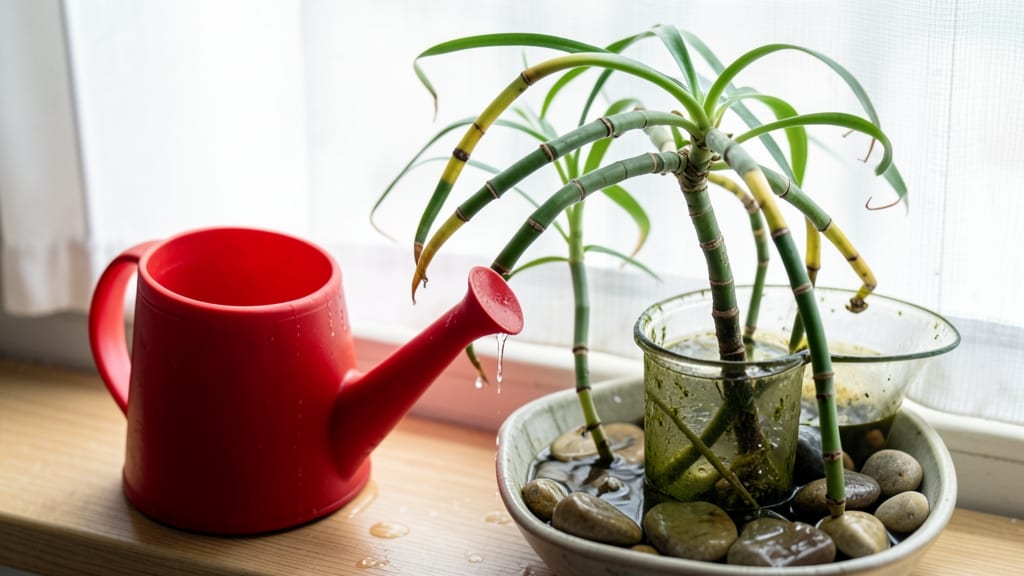
When your bamboo plant’s leaves turn yellow and droop, root rot from overwatering is likely the culprit—and the good news is, it’s fixable. 🌱 I’ve nursed back more soggy bamboo than I’d like to admit, and the key is acting fast to drain excess moisture while giving the roots room to breathe.
The first step is always the hardest: stopping the watering and letting the soil dry out.
Start by checking the roots—healthy ones are firm and white, while rotten ones smell foul and turn mushy brown. If your bamboo is potted, repot it in fresh, well-draining soil mixed with perlite or sand to prevent future sogginess.
For ground-planted bamboo, dig around the base to aerate compacted soil and improve drainage. This isn’t just about saving the plant; it’s about setting it up for a comeback.
Within two weeks, you’ll see new green shoots pushing through, signaling the roots are healing. Keep the soil lightly moist (not wet) and prune any yellowed or dead foliage to redirect the plant’s energy.
The best part? Once you’ve adjusted your watering habits—like waiting until the top inch of soil is dry before watering again—your bamboo will thrive without the risk of root rot creeping back.
This works for both potted and ground-planted bamboo, though container plants recover faster. The secret isn’t complicated: drainage, patience, and a little elbow grease. Let’s get your bamboo back to its lush, upright self.
Root Rot’s Silent Invaders
When your bamboo plant starts wilting despite its thirst trap—soggy soil and drooping leaves—you’re likely dealing with overwatering. But why does this happen so often?
The culprits aren’t just your watering can or a rainy spell; they’re a mix of environmental, human, and plant-specific factors working against your green friend. Let’s break down the science behind the sog.
Bamboo thrives in moist but well-draining soil. Without proper drainage, water pools around the roots instead of flowing away, creating a anaerobic (oxygen-free) environment. Here’s how it plays out:
- Compacted soil: Heavy or clay-based soils don’t allow water to escape, suffocating roots. Think of it like a sponge that won’t release water—your bamboo’s roots can’t breathe.
- No gravel or sand: Soil mixes without perlite, vermiculite, or coarse sand act like a water lock. Roots need air gaps to absorb oxygen, but soggy soil starves them.
- Pot without drainage holes: Even the best bamboo variety (like Bambusa multiplex) will drown if its container traps water. Roots rot because they’re literally sitting in a bathtub.
Pro tip: 💡 Test your soil’s drainage by filling a pot with water. If it drains in under 30 minutes, you’re good. If it takes hours? Time to amend with organic matter or grit.
Your love for watering might be the villain. Bamboo plants are not desert cacti—they need moisture, but consistency is key. Common mistakes include:
- Watering on a schedule: Bamboo should be watered when the top 1–2 inches of soil are dry. Sticking to a rigid "every Tuesday" routine ignores humidity, season, and pot size.
- Ignoring humidity levels: High humidity (like in bathrooms or greenhouses) means roots absorb moisture from the air and the soil. Overwatering in these spaces = double the sog.
- Using ice cubes or cold water: Chilly water shocks the roots, slowing their ability to process oxygen. Warm water (room temp) is always better for absorption.
Pro tip: 🌡️ Use your finger to check soil moisture—don’t guess. If it’s damp past 1 inch deep, wait.
Not all bamboo is created equal. Some varieties are more drought-tolerant, while others (like Phyllostachys species) crave moisture but still need airflow. Here’s how to avoid mismatches:
| Bamboo Type | Water Needs | Risk of Overwatering |
|---|---|---|
| Running bamboo (e.g., Phyllostachys aureosulcata) | High—needs consistent moisture | ⚠️ High (roots spread fast; soggy soil = rot) |
| Clumping bamboo (e.g., Bambusa multiplex) | Moderate—dries out faster | ⚠️ Medium (compact growth = slower drainage) |
| Dwarf bamboo (e.g., Bambusa ventricosa) | Low—drought-resistant | ✅ Low (overwatering rare but possible in pots) |
Pro tip: ✨ If you’re unsure, ask a nursery about your bamboo’s native habitat. Tropical varieties need more water; temperate ones? Less.
Even the most careful gardener can fall victim to external factors that amplify overwatering risks:
- Low light conditions: Bamboo photosynthesizes less in shade, so its roots don’t dry out as fast. Watering on the same schedule = soggy disaster.
- Fungal or bacterial infections: Pathogens like Pythium thrive in wet soil, clogging roots and preventing oxygen uptake. Yellowing leaves? It might not be overwatering—it could be root rot from an infection.
- Seasonal changes: Winter slows root activity, so bamboo needs 30–50% less water. Yet many gardeners keep summer routines, leading to waterlogged soil.
Pro tip: 🔥 Move potted bamboo to a bright, indirect spot in winter to reduce moisture retention.
Fixing Your Drowning Bamboo
---
If your bamboo plant is suffering from overwatering, the good news is that it’s often reversible with the right care. The key is to act fast—root rot spreads quickly, but with these targeted solutions, you can nurse your plant back to health. Below, we’ve mapped out the best fixes based on the most common causes of overwatering, along with prevention tips to keep your bamboo thriving.
---
If your bamboo is sitting in soggy soil, the first step is to improve drainage and let excess moisture escape.
#### 🔥 Step 1: Check the Pot’s Drainage
Most overwatering starts with poor drainage. If your pot lacks holes or has clogged drainage, water pools at the bottom, suffocating roots.
- 👨🍳 Test the pot: Stick your finger 1–2 inches into the soil. If it feels damp after 2–3 days, drainage is the issue.
- 🔪 Drill holes: If the pot has no drainage, use a drill to add 3–5 holes in the bottom. For ceramic or decorative pots, place them inside a saucer with drainage holes.
- ⏰ Let it dry: Move the plant to a shady spot and avoid watering for at least 5–7 days to let the soil dry out.
#### 💡 Pro Tip:
If repotting isn’t an option, elevate the pot on a tray of pebbles to encourage airflow at the bottom. This prevents water from pooling.
---
Yellowing leaves, mushy stems, or a foul smell mean root rot may have set in. Don’t panic—you can still save your bamboo with careful pruning and a fresh start.
#### 🍳 Step 2: Inspect and Prune Damaged Roots
Gently remove the plant from its pot and rinse the roots under lukewarm water to assess the damage.
- 🔪 Trim the rot: Use sterilized scissors to cut away any black, mushy, or smelly roots. Healthy roots are firm and white.
- 🌡️ Disinfect the cuts: Sprinkle cinnamon powder or hydrogen peroxide (3%) on the trimmed areas to prevent infection.
- 🥘 Repot in fresh soil: Use a well-draining bamboo-friendly mix (60% peat or coconut coir, 30% perlite, 10% sand). Avoid garden soil—it compacts and holds too much moisture.
#### ✨ Pro Tip:
Add a handful of orchid bark or charcoal to the new soil mix. These help wick away excess moisture and deter fungal growth.
---
Even with good drainage, overwatering often comes down to how often (and how much) you water. Bamboo prefers consistent moisture but hates soggy conditions.
#### 📊 Step 3: Master the Watering Schedule
Bamboo thrives on the “soak and dry” method—water deeply until it drains from the bottom, then wait until the top 1–2 inches of soil are dry before watering again.
- 💧 Watering frequency:
- Spring/Fall: Every 7–10 days (adjust based on humidity).
- Summer: Every 5–7 days (hotter air dries soil faster).
- Winter: Every 10–14 days (growth slows, so less water is needed).
- 🌡️ Test soil moisture: Use a moisture meter or the finger test—stick your index finger into the soil. If it’s dry up to your first knuckle, it’s time to water.
- 🚫 Avoid these mistakes:
- Watering on a schedule (plants need variable care based on conditions).
- Letting the plant sit in saucers of water (always empty saucers after watering).
#### 🎯 Pro Tip:
Group your bamboo with other plants to create a microclimate. The humidity from neighboring foliage can signal when it’s time to water—just check the soil first!
---
Once you’ve revived your bamboo, these habits will help prevent overwatering for good.
- 🌱 Choose the right pot: Opt for terracotta or fabric pots—they breathe better than plastic and reduce moisture retention.
- 🌡️ Monitor humidity: Bamboo loves humidity (50–70% is ideal). Use a hygrometer to track levels and add a pebble tray or humidifier if your home is dry.
- 🍃 Fertilize lightly: Over-fertilizing encourages lush growth, which requires more water. Use a balanced, diluted fertilizer (like 10-10-10) every 2–3 months in spring/summer.
- 🌿 Prune regularly: Trim yellow or brown leaves to reduce stress on the plant and improve airflow around the base.
---
With these fixes, your bamboo should bounce back in 4–6 weeks. Keep an eye on its progress—new growth is a great sign! If you notice persistent yellowing or wilting, root rot may have spread further, and you may need to repeat the trimming process.
Frequently asked questions
How do I know if my bamboo plant is overwatered?
Check for yellowing leaves, especially on the older growth, and a mushy, foul-smelling base. Overwatered bamboo also feels heavy when lifted (excess moisture) and may develop blackened roots when inspected. If the soil stays damp for more than 2–3 days after watering, that’s a red flag.
Can I save bamboo with root rot?
Yes! First, trim away all black/mushy roots with sterilized scissors. Repot in a well-draining mix (60% peat, 30% perlite, 10% sand) and avoid watering for 5–7 days to let roots recover. With proper care, new growth appears in 4–6 weeks. For severe cases, consider propagating healthy stems in water to regrow the plant.
Why does my bamboo plant need so much water if it’s overwatered?
Bamboo loves moisture but hates soggy soil. The confusion comes from its tropical origins—it thrives in humid environments but needs airflow around roots. Overwatering creates anaerobic conditions, suffocating roots. The fix? Water deeply when the top 1–2 inches of soil dry, then let excess drain completely.
What’s the best pot material to prevent overwatering?
Terracotta or fabric pots are ideal—they breathe better than plastic and reduce moisture retention. For decorative pots without drainage, use a cache pot (inner pot with holes) or elevate the plant on pebbles. Avoid sealed containers; they trap humidity and accelerate rot.
How often should I water bamboo in winter?
Reduce watering to every 10–14 days in winter—growth slows, so roots absorb less moisture. Check soil moisture with your finger: if it’s damp past 1 inch deep, wait longer. Move potted bamboo to a bright, indirect spot to prevent excess humidity buildup.