
Watering
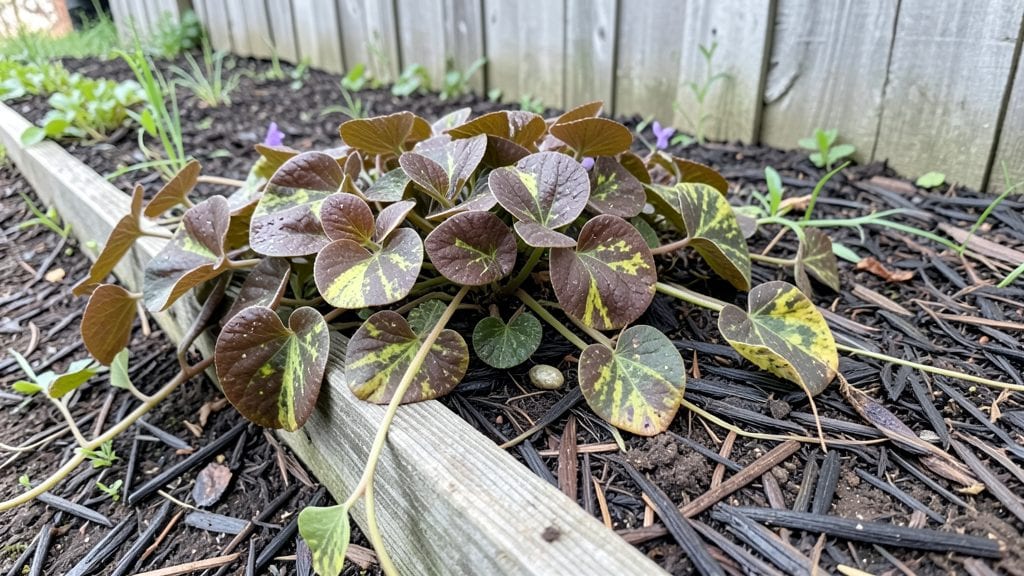
The water ivy plant thrives when you treat it like the low-maintenance star it is—lush vines with barely a pruning thought. 🌿 I’ve had mine climb shelves and trail baskets for years, and the secret isn’t complicated: it’s all about the right balance of light, water, and occasional trimming to keep it bushy.
The plant forgives mistakes better than most, but a few key habits make the difference between a straggly vine and one that looks like it belongs in a jungle.
Water ivy loves bright, indirect light but can tolerate lower light if you’re patient—just expect slower growth. Overwatering is the real enemy: let the top inch of soil dry out between drinks, and use well-draining potting mix to avoid soggy roots.
A 5-inch pot works for starters, but it’ll outgrow that in no time. The best part? It purifies the air while you ignore it, which is basically the dream plant for busy people.
Pruning isn’t just about looks—it’s how you encourage fuller growth. Snip leggy stems just above a leaf node, and those cuttings will root easily in water. You’ll notice new leaves popping up within weeks, and the plant will fill out like a pro.
Even if you forget to prune for months, it’ll bounce back with a little TLC. The goal is vibrant green foliage that stays healthy year-round, not perfection.
Outdoor growers in zones 9-11 can let it climb trellises or sprawl along fences, but bring it inside before temps drop below 50°F. Indoors, it’s a foolproof houseplant—just avoid cold drafts and sudden temperature swings. Here’s how to keep it thriving without the fuss.
📚 In This Guide
- What you need
- Instructions
- Tips and common mistakes
- Wrapping up and next steps
What you need
- ● Water ivy plant: 1 healthy cutting or young plant (6–12 inches tall). Look for vibrant leaves and no signs of pests.
- ● Potting mix: 1 bag (5–10 quarts) of well-draining cactus or succulent mix. Avoid heavy garden soil—it causes root rot!
- ● Pot: 1 container with drainage holes (6–8 inches in diameter). Terracotta or plastic works, but terracotta helps prevent overwatering.
- ● Watering can or spray bottle: 1 with a narrow spout for precise hydration.
- ○ Fertilizer (optional but helpful): 1 bottle of balanced liquid fertilizer (10-10-10 or 20-20-20, diluted to half-strength).
- ● Pruning shears: 1 pair (sterilized with rubbing alcohol).
- ○ Support structure (optional): A small trellis, moss pole, or string for trailing varieties.
- ○ Humidity tray (optional): 1 shallow tray + pebbles for added moisture in dry climates.
- ○ Grow lights (optional): 1–2 LED grow bulbs if your space lacks bright, indirect light.
Step-by-Step instructions for growing healthy water ivy vines
Water ivy thrives with just a few key habits—here’s how to keep those lush vines growing strong with almost no fuss.
🪴 Step 1: Choose the Right Container and Soil Mix
Water ivy loves to sprawl, so pick a hanging basket or wide container at least 12 inches in diameter for each plant. I use well-draining potting mix—this plant hates soggy roots. Mix in one part perlite for every three parts potting mix to keep moisture balanced. Fill the container to 1 inch below the rim, then tap gently to settle the soil without compacting it.
Water ivy’s roots need air, so avoid heavy garden soil. If you’re repotting, gently loosen the roots before placing it in the new container. This prevents root binding, which can stunt growth. The right soil mix ensures water drains quickly but holds enough moisture to keep the vines happy.
☀️ Step 2: Position for Bright, Indirect Light
Water ivy thrives in bright, indirect light—think east or north-facing windows, or a few feet from a south-facing window. Too much direct sun scorches the leaves, while too little light makes the vines stretch weakly. You’ll know it’s in the perfect spot when the leaves stay deep green and glossy without yellowing.
If your home has low light, supplement with a grow light kept 6-12 inches away for 6-8 hours daily. Rotate the plant every 2-3 weeks so all sides get even exposure. Leggy growth means it’s reaching for more light—time to move it closer to the window or light source.
💧 Step 3: Water When the Top Inch Feels Dry
Water ivy prefers consistent moisture but hates soggy soil. Stick your finger 1 inch into the soil—if it feels dry, it’s time to water. I water deeply until water runs out the drainage holes, then let excess drain away completely. Overwatering causes root rot, so always use a pot with drainage holes and a saucer underneath.
Mist the leaves occasionally in dry climates, but avoid wetting the foliage if humidity is high—this can lead to fungal issues. In winter, water 20-30% less since growth slows. Yellow leaves often mean overwatering, while crispy edges signal underwatering. Adjust your watering until the plant stays perky year-round.
✂️ Step 4: Prune to Encourage Bushier Growth
Water ivy grows fast, but it doesn’t need much pruning. Pinch back new growth tips when they’re 2-3 inches long to encourage bushier vines. Use clean, sharp scissors to avoid crushing stems. I trim once in early spring and again after flowering to keep the plant full and tidy.
Deadhead spent flowers to redirect energy into new growth. If a vine looks leggy, cut it back by one-third to stimulate fresh, compact growth. Never prune more than one-third at a time—this stresses the plant. With minimal pruning, your water ivy will stay lush and vibrant with almost no effort.
🌿 Step 5: Fertilize Lightly During Growing Season
Feed your water ivy with a balanced liquid fertilizer (10-10-10) every 4-6 weeks in spring and summer. Dilute it to half-strength to avoid burning the roots. I skip fertilizing in fall and winter when growth slows. Over-fertilizing causes salt buildup, which harms the plant—always flush the soil with water after feeding.
You’ll see the difference in shinier leaves and faster growth within weeks. If the tips of the leaves turn brown, it’s a sign of fertilizer burn—rinse the soil thoroughly and reduce feeding frequency. A little fertilizer goes a long way with water ivy.
Tips & tricks for growing lush water ivy vines
Here's what I've learned from years of growing water ivy—simple tricks that make all the difference for those gorgeous trailing vines.
Container Size Matters: That 12-inch diameter minimum isn't just a suggestion—water ivy spreads fast! If you want fuller growth, go for a container 16-18 inches wide. The extra space gives roots room to expand without becoming root-bound, which directly translates to more vigorous vines. I've seen plants in smaller pots grow slowly compared to those in roomier containers.
Light Rotation Secret: The 2-3 week rotation in Step 2 isn't just about even growth—it's about preventing those unsightly bare spots. Turn your plant so all sides get equal light exposure. You'll notice the leaves become uniformly green rather than developing a lopsided appearance. This simple habit keeps your water ivy looking balanced and healthy year-round.
Watering Technique: When checking that top inch of soil, press gently—it should feel dry but not completely parched. The key is consistent moisture without waterlogging. I've found that watering in the morning gives the plant time to absorb moisture before evening, reducing the risk of fungal issues. And remember, those drainage holes are non-negotiable for preventing root rot.
Pruning Timing: That early spring trim in Step 4 isn't just about tidying up—it's about encouraging new growth when the plant naturally starts its active season. The second trim after flowering redirects energy to leaf production rather than seed development. Between us, I've skipped pruning seasons and still had decent growth, but the plants were never as full and bushy as when I followed this schedule.
Pro Tips for Water Ivy Plant
- Here's what I've learned from years of growing water ivy—simple tricks that make all the difference for those gorgeous trailing vines.
- Container Size Matters: That 12-inch diameter minimum isn't just a suggestion—water ivy spreads fast!
- Light Rotation Secret: The 2-3 week rotation in Step 2 isn't just about even growth—it's about preventing those unsightly bare spots.
Frequently asked questions
Is water ivy hard to grow for beginners?
Not at all! This plant is a beginner’s dream—it thrives in bright, indirect light and tolerates occasional neglect. Just keep the soil lightly moist (not soggy), and it’ll reward you with fast, vibrant growth. Pro tip: Place it near a window or under a grow light for best results.
How often should I water my water ivy?
Water your water ivy when the top inch of soil feels dry—usually every 1-2 weeks, depending on humidity and light. Overwatering is the biggest risk, so let it dry out slightly between waterings. Troubleshooting: Yellow leaves? You’re likely overwatering.
Do I really need to prune water ivy often?
One of its best features? Minimal pruning! Trim only to control size or shape—cut back leggy stems in spring to encourage bushier growth. Dead or brown leaves should be removed, but otherwise, enjoy its natural, trailing beauty. Quick tip: Use clean scissors for a crisp cut.
Can water ivy grow in low light?
While it prefers bright, indirect light, water ivy can survive in low light—but expect slower growth and less vibrant foliage. If leaves turn pale or stretch (a sign of "etiolation"), move it closer to a light source. Alternative: Supplement with a small LED grow light if natural light is limited.
Is water ivy safe for pets?
Nope! Water ivy (also called Columnea) is toxic to cats and dogs if ingested. Keep it out of reach of curious paws, or opt for pet-friendly vines like string of pearls or Boston fern if you have furry friends at home. Safety first: Always research before bringing new plants indoors.
Wrapping up and next steps
Caring for a water ivy plant is a breeze—its lush, trailing vines and minimal pruning needs make it a perfect choice for both beginners and busy plant lovers! 🌿 With the right balance of bright, indirect light, consistent moisture, and occasional trimming, you’ll enjoy a thriving, low-maintenance centerpiece that adds life to any space.
Whether you’re growing it indoors or outdoors, embrace its easygoing nature and watch it flourish with confidence.
Ready to elevate your plant game? Start by assessing your water ivy’s needs today—adjust light, water, and pruning habits—and soon, you’ll have a vibrant, healthy vine that’s the talk of your home! 🌟