
Planting
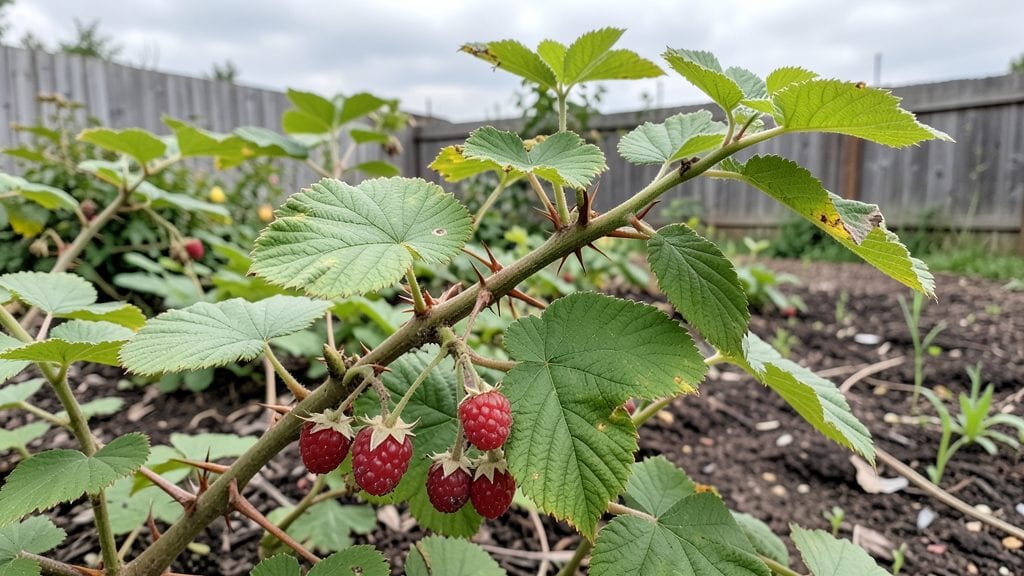
The Glencoe raspberry plant delivers sweet, firm berries with almost no fuss—once you understand its low-maintenance secrets. 🌱 I’ve grown this variety for three seasons, and it’s the only raspberry that actually thrives when I ignore it (within reason).
The key? Planting it in the right spot and letting it grow wild enough to support those heavy canes.
This hardy variety tolerates partial shade better than most raspberries, making it perfect for gardens where full sun is limited. It prefers well-draining soil with a pH between 5.5 and 6.5, and while it needs consistent moisture, it won’t sulk if you forget to water for a few days.
The real magic happens when you let the canes establish for two years before heavy pruning—then you’ll get pound after pound of berries with minimal effort.
By midsummer, you’ll be picking berries that stay firm on the vine and burst with flavor, perfect for fresh eating or jam-making. The plants also resist common raspberry diseases like orange rust, so you spend less time spraying and more time enjoying the harvest.
Just watch for Japanese beetles—they adore these berries as much as you do.
Works beautifully in home gardens, small farms, or even large containers if your space is tight. Once established, these bushes practically take care of themselves. Here’s how to get started without the usual raspberry headaches.
📚 In This Guide
- What you need
- Instructions
- Tips and common mistakes
- Wrapping up and next steps
What you need
- ● Glencoe raspberry plants: 3–5 bare-root or potted plants (check for healthy canes and vibrant green leaves).
- ● Well-draining soil: A mix of loamy soil with compost (pH 5.5–6.5). Test your soil’s pH if unsure.
- ● Organic mulch: 2–3 inches of straw, wood chips, or pine needles (helps retain moisture and suppress weeds).
- ● Fertilizer: Balanced organic fertilizer (10-10-10) or composted manure (apply at planting and mid-season).
- ● Watering system: Drip irrigation or a watering can (raspberries need consistent moisture, especially in dry spells).
- ● Garden trowel or shovel: For digging planting holes (6–8 inches deep).
- ● Pruning shears: Sharp, clean shears (sterilize with rubbing alcohol to prevent disease).
- ● Gloves: Heavy-duty gardening gloves (raspberry canes have thorns!).
- ● Measuring tape or ruler: To ensure proper spacing (3–4 feet apart in rows, 6–8 feet between rows).
- ● Trellis or stakes: 6–8 foot tall (raspberries are primocanes, so vertical support is key!).
- ● Soil moisture meter (to monitor watering needs).
- ● Row covers or netting (to protect from birds and pests).
- ● Epsom salt (occasional magnesium boost for yellowing leaves).
- ● Plant markers (to label varieties if growing multiple types).
How to grow and maintain Glencoe raspberry bushes
Here's the straightforward approach to growing these productive, low-maintenance raspberries.
🌱 Step 1: Choose the Perfect Planting Location
The Glencoe variety thrives in full sun to partial shade, with at least 6-8 hours of sunlight daily. I always pick a spot with morning sun and afternoon shade to prevent leaf scorch, especially in hot climates. The soil should drain well—Glencoe raspberries hate soggy roots, so avoid low-lying areas where water pools.
Test your soil's drainage by digging a 6-inch hole and filling it with water. If it drains within 1 hour, you're good to go. If not, amend the soil with 2-3 inches of compost mixed into the top 12 inches of soil. Glencoe raspberries prefer slightly acidic to neutral soil with a pH between 5.5 and 6.5—test your soil with a kit if you're unsure.
🪴 Step 2: Plant Your Glencoe Raspberries Correctly
Plant your raspberry canes 2-3 feet apart in rows spaced 6-8 feet apart to allow for airflow and easy maintenance. Dig a hole twice as wide and just as deep as the root ball. Gently loosen the roots if they're circling and position the plant so the top of the root ball sits 1 inch below the soil surface—this helps prevent the crown from drying out.
Backfill the hole with soil, pressing lightly to remove air pockets, and water deeply to settle everything. Mulch around the base with 2-3 inches of organic mulch, like straw or wood chips, to retain moisture and suppress weeds. Keep the mulch 3-4 inches away from the plant stem to prevent rot. Water again after mulching to help it settle.
☀️ Step 3: Water and Fertilize for Optimal Growth
Glencoe raspberries need 1-1.5 inches of water per week, either from rain or irrigation. Water deeply 2-3 times per week during the first growing season to encourage strong root development. Once established, they’re fairly drought-tolerant, but consistent moisture produces sweeter fruit. Water at the base of the plant in the morning to reduce evaporation and fungal risks.
Fertilize in early spring with a balanced, slow-release fertilizer (like 10-10-10) applied 6 inches away from the plant stem. Avoid high-nitrogen fertilizers later in the season—they promote leafy growth at the expense of fruit. Glencoe raspberries respond well to a second feeding in mid-summer with a low-nitrogen, high-potassium fertilizer to boost fruit production.
✂️ Step 4: Prune for Minimal Effort and Maximum Yield
Glencoe raspberries are summer-bearing, meaning they produce fruit on second-year canes (called floricanes). In late winter or early spring, prune out all dead, diseased, or weak canes at the ground level. Remove any canes that are thinner than a pencil—they won’t produce well and compete with stronger growth.
Leave 6-8 of the healthiest, most vigorous canes per plant. These will produce fruit this season. In late summer or early fall, after harvesting, cut out the fruited canes at the base. This encourages new, productive canes for next year’s crop. I always sterilize my pruners with rubbing alcohol between cuts to prevent the spread of disease.
🌿 Step 5: Monitor and Protect Your Raspberries
Watch for Japanese beetles, spider mites, or raspberry cane borers—common pests that can damage Glencoe raspberries. Handpick beetles in the morning when they’re sluggish, or spray with neem oil for mites. If you notice small holes in canes or sawdust-like frass, you’ve got borers—prune and destroy infected canes immediately to stop the spread.
Glencoe raspberries are generally disease-resistant, but cane blight can still occur in wet conditions. Space plants properly for airflow, and avoid overhead watering to keep leaves dry. If you see black spots or mold, remove affected leaves and apply a copper fungicide as a preventative measure. Harvest fruit as soon as it ripens to prevent birds and animals from feasting before you do!
Tips & tricks for perfect Glencoe raspberry plant care
A few key strategies will help you get the most out of your Glencoe raspberries with minimal fuss.
Soil Prep Secret: In Step 1, when testing drainage, I like to add a handful of coarse sand to the bottom of the hole before planting. This creates a natural drainage layer that prevents soggy roots—Glencoe raspberries hate wet feet! Also, if your soil tests below pH 5.5, mix in some pelletized lime (about 1/2 cup per plant) to gradually raise the pH over a few weeks. The goal is that perfect 5.5-6.5 range without overdoing it.
Planting Depth Matters: During Step 2, pay special attention to that 1-inch below soil surface placement. I've seen beginners plant too deep, which can cause the crown to rot. A good trick is to draw a line on the root ball at planting time—this visual marker helps you maintain that perfect depth every time. Also, don't compact the soil too much when backfilling; just press lightly to remove air pockets.
Watering Wisdom: For Step 3, I recommend installing a simple drip irrigation system or soaker hose near your raspberry patch. This delivers that 1-1.5 inches per week consistently without wetting the leaves—critical for preventing fungal diseases. Water in the morning so any moisture on leaves evaporates during the day. And here's a pro tip: if you're using a rain gauge, place it near your raspberries since rainfall can vary dramatically across even small yards.
Pruning Shortcuts: In Step 4, when you're pruning those weak canes, I always keep a bucket of soapy water nearby. As you cut, immediately drop the diseased canes into the soapy water to kill any pests or pathogens. For the 6-8 healthy canes you leave, I like to mark them with a bit of paint or flagging tape so I can easily identify them next year. This simple system makes next year's pruning a breeze.
Pro Tips for Glencoe Raspberry Plant
- A few key strategies will help you get the most out of your Glencoe raspberries with minimal fuss.
- Soil Prep Secret: In Step 1, when testing drainage, I like to add a handful of coarse sand to the bottom of the hole before planting.
- Planting Depth Matters: During Step 2, pay special attention to that 1-inch below soil surface placement.
Frequently asked questions
Got questions about your Glencoe raspberry plant? You're not alone!
Whether you're a first-time gardener or just curious about this low-maintenance variety, here are answers to the most common queries to help your bushes thrive with ease.
How much sunlight does a Glencoe raspberry plant need daily?
The Glencoe raspberry thrives with 6 to 8 hours of full sun daily. While it tolerates partial shade (especially in hot climates), too little sunlight can reduce fruit production. Plant in a spot with morning sun and afternoon shade for optimal growth.
When is the best time to prune Glencoe raspberries?
Prune your Glencoe raspberries in late winter or early spring (before new growth begins). Remove dead canes, thin crowded stems, and cut back old fruiting canes to the ground. This variety benefits from minimal pruning—focus on opening the center for airflow.
Why aren’t my Glencoe raspberries producing fruit?
Several factors could be at play: inadequate sunlight, over-pruning, or young plants (they take 1–2 years to bear fruit). Check for pests (like spider mites) or nutrient deficiencies (add compost or a balanced fertilizer). If canes are too crowded, thin them to encourage fruiting.
Can Glencoe raspberries survive harsh winters?
Yes! This variety is hardy to USDA Zones 4–8 and handles cold snaps well. For extra protection in colder zones, mulch heavily (with straw or leaves) and bundle canes with twine. Avoid pruning until spring to preserve energy.
What are good companion plants for Glencoe raspberries?
Pair your raspberries with companion plants like:
- Herbs: Thyme, mint, or oregano (repel pests naturally).
- Flowers: Marigolds or nasturtiums (attract pollinators).
- Vegetables: Lettuce, spinach, or beans (share nutrients without competing for space).
How do I fix yellow leaves on my Glencoe raspberry plant?
Yellow leaves often signal overwatering, nutrient deficiency (like nitrogen), or fungal issues. Check soil moisture (it should be evenly damp, not soggy) and test pH (ideal: 5.5–6.5). Apply a balanced fertilizer or compost. If spots appear, treat with neem oil for fungal prevention.
Wrapping up and next steps
Growing a Glencoe raspberry plant is a rewarding journey that combines beauty, productivity, and ease—especially with its low-maintenance pruning needs! 🌱 Whether you're a seasoned gardener or a beginner, this hardy variety thrives with just a little care, offering delicious berries and lush foliage year after year.
With the right location, soil prep, and a few simple tips, you’re well on your way to a bountiful harvest.
Ready to take the next step? Start by planting your Glencoe raspberries in early spring or fall, and soon you’ll be enjoying homegrown raspberries with minimal fuss. Happy gardening! 🍓✨